| Site | Depth | Certification guidance | Planning use |
|---|---|---|---|
| Kinugawa Maru | Roughly 3 m to 25 m | Open Water | The most approachable wreck for newer divers. |
| Zero aircraft wrecks | Often 5-15 m, upright and intact | Shallow range; confirm with the operator | Easy to fit into a shallow dive plan. |
| Bonegi beaches | Two shore dives, about 12 km west of Honiara | Walk-in entry from the beach, no boat required | Simple to add to a stay in the capital. |
| Toa Maru | Roughly 10 m to 37 m | Advanced Open Water strongly recommended | The best cargo holds sit in the 20-35 m band, and the interior is overhead. |
| Hirokawa Maru | Roughly 3 m to 55 m | Wreck certification for deep interior work | Keep to the upper sections unless trained for decompression. |
| Heavy warships | 150 to 1,000-plus metres | Too deep to explore recreationally | Learn about them through history, not diving. |
Depths and certification guidance come from a Solomon Islands wreck diving atlas, and the point about the warships being too deep comes from Scuba Diving magazine.
Solomon Islands wreck diving suits Open Water divers at Kinugawa Maru. Toa Maru strongly suits Advanced Open Water divers, and the deepest part of Hirokawa Maru is decompression diving.
Divers building a multi-site itinerary can start with the overview of solomon islands liveaboard diving. A short liveaboard solomon islands itinerary suits those with less time. The best wreck dives solomon islands guide ranks individual sites.
Before you book: the campaign behind the wrecks
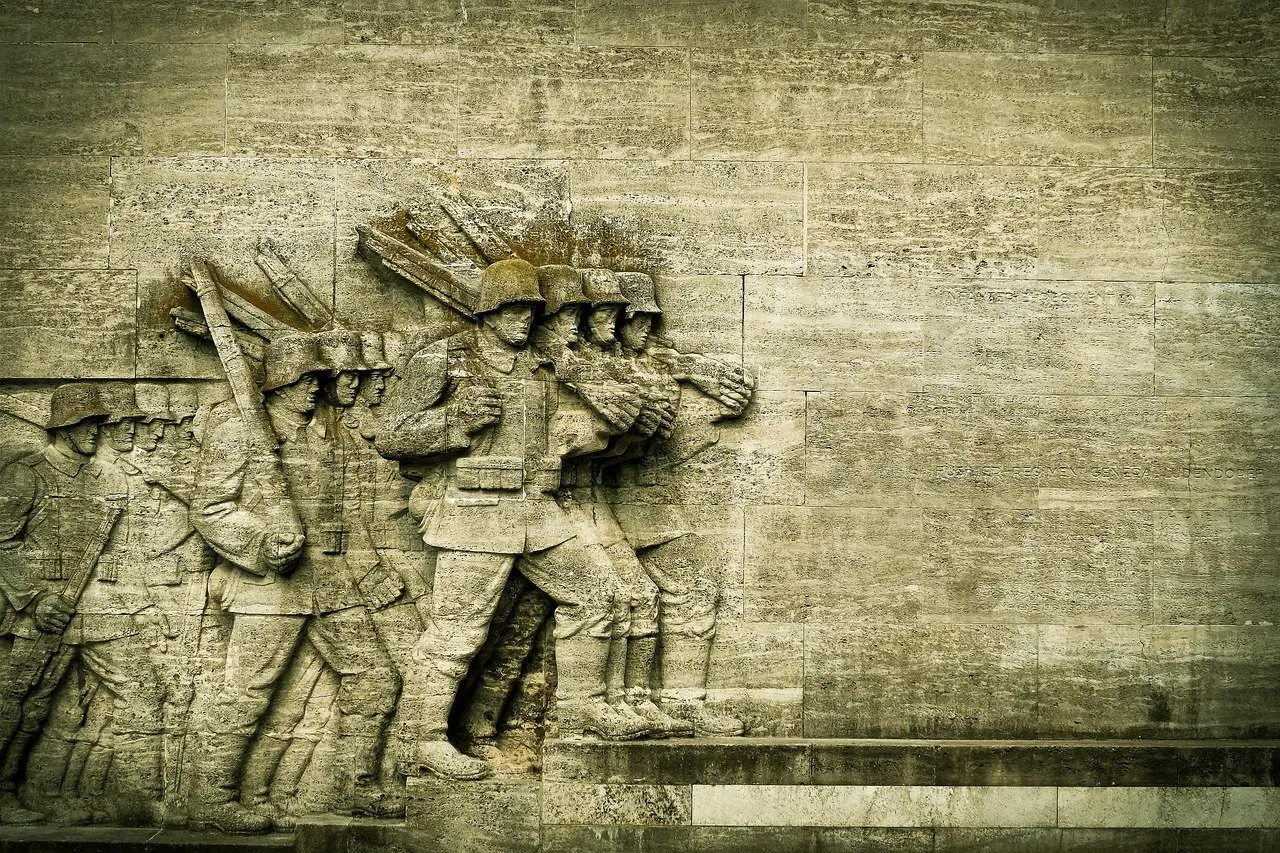
Ironbottom Sound, also written Iron Bottom Sound, off Guadalcanal was the site of five major naval battles between August and December 1942, according to a DVIDS report on a wreck survey. The same report states that more than 111 vessels and 1,450 aircraft were lost during the campaign, with over 20,000 lives lost.
The Guadalcanal campaign ran for six months, from August 1942 to February 1943, as the wreck diving atlas notes. That scale explains why the seabed holds so many wrecks and why few of them suit recreational divers.
The survey team documented 13 wreck sites, including four ships recorded for the first time. New wrecks are still being identified, so the sites divers visit are part of a living historical record.
Build skills and certification first
The wreck diving atlas gives clear preparation advice: get your Advanced certification, and ideally Deep and Wreck certifications, before travelling. Certification should match the wreck you choose rather than the other way round.
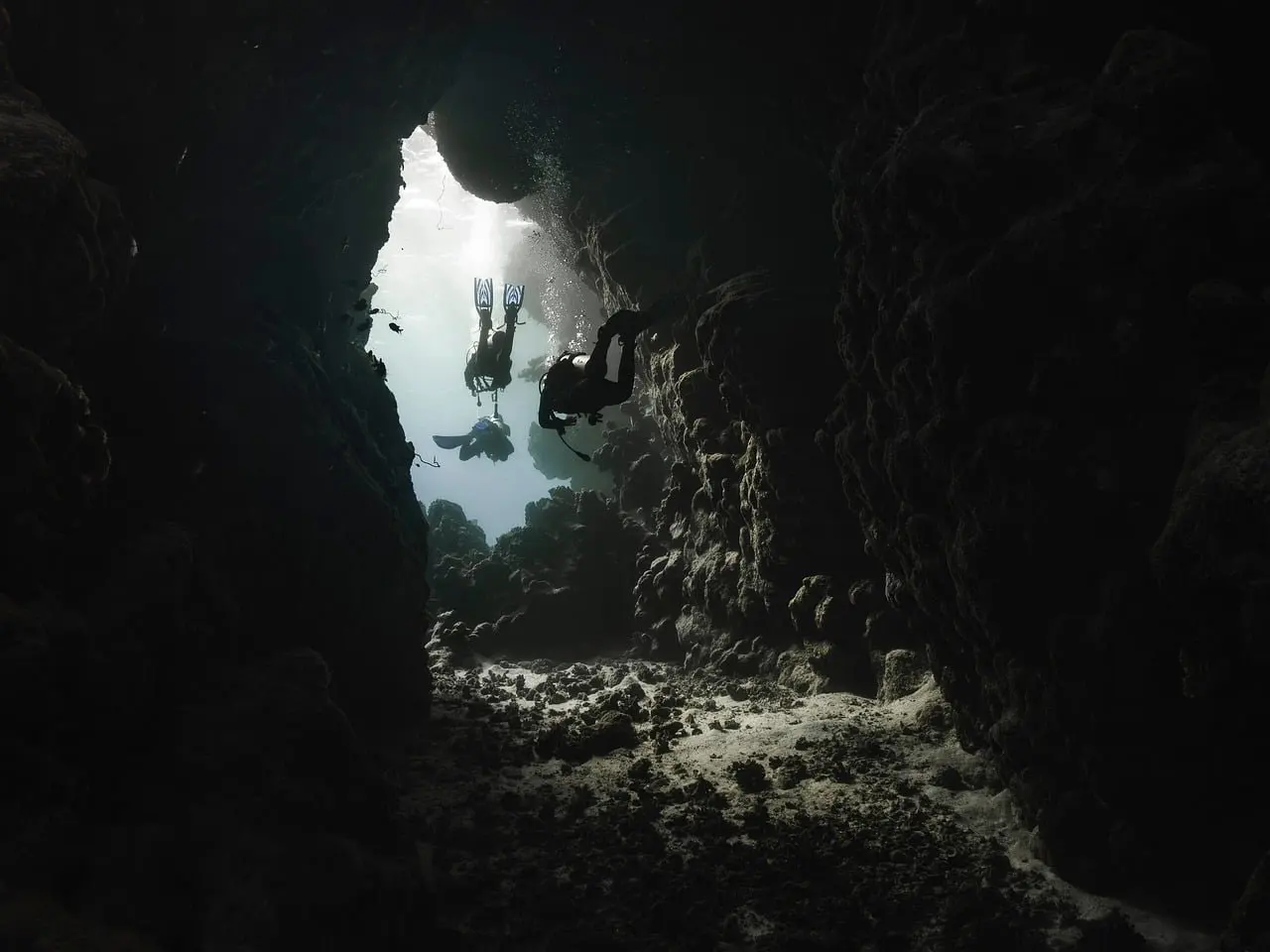
- Confirm the baseline. Open Water covers Kinugawa Maru, which the atlas describes as one of the most accessible wrecks in the Pacific.
- Add Advanced Open Water. It is strongly recommended for Toa Maru, where the depth range runs to 37 m.
- Add Deep and Wreck training. Deep interior penetration is for wreck-certified divers. Check the prerequisites of your training agency’s wreck course before booking, as this varies by agency.
- Practise buoyancy. The atlas calls buoyancy control non-negotiable on wreck slopes.
- Bring a dive computer. Use it to track depth against the ranges in the table above.
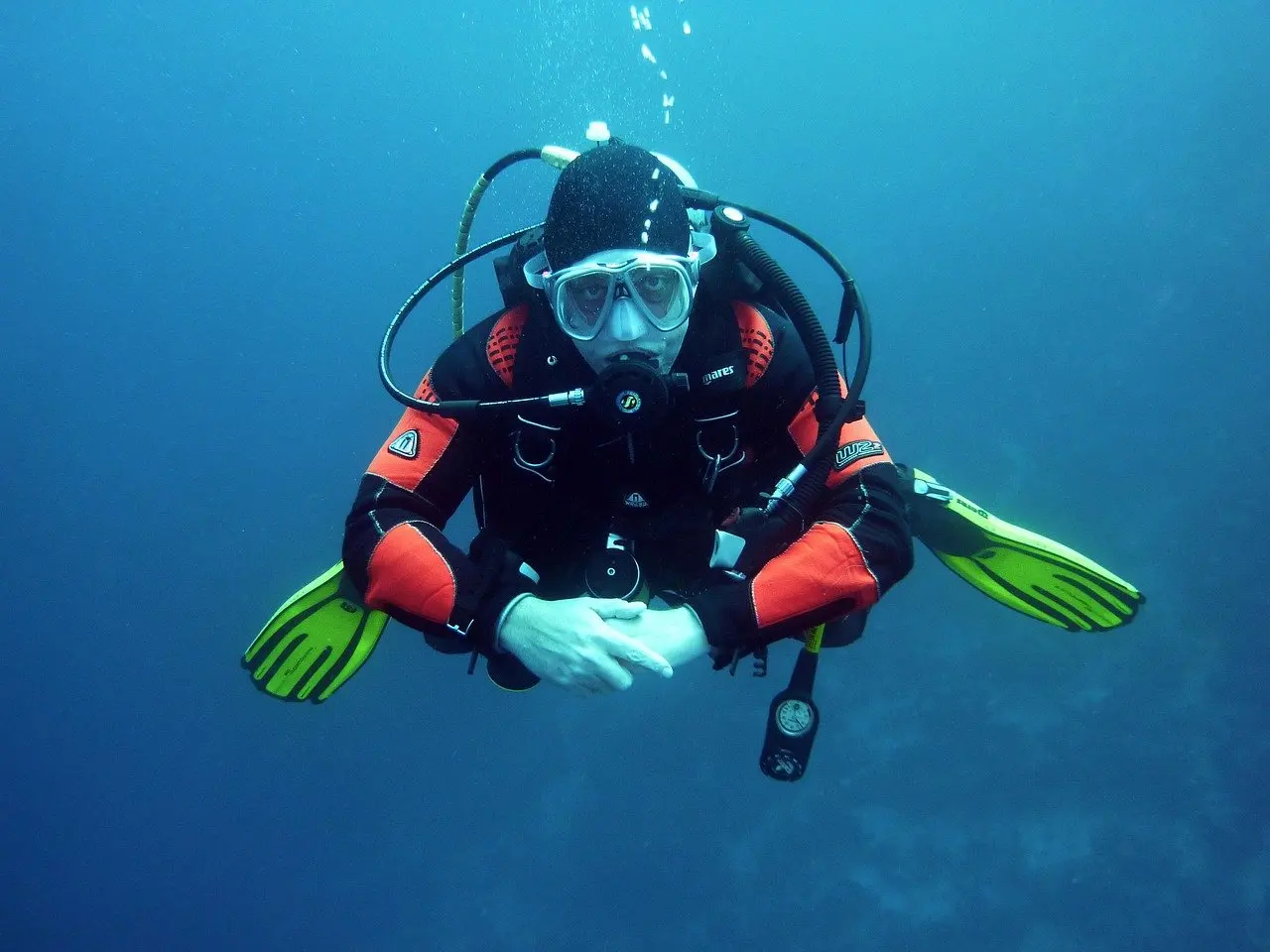
Choose wrecks by depth
Shore dives and aircraft
The Bonegi beaches offer two shore dives about 12 km west of Honiara on Guadalcanal. Divers walk in from the beach, so no boat is needed, which makes them the simplest wartime dives to arrange from the capital.
Aircraft wrecks, such as Zeros, often sit at 5-15 m, upright and remarkably intact. Scuba Diving magazine also lists the Kawanishi “Mavis” seaplanes among the named dive sites. Shallow aircraft wrecks suit divers who want war relics without depth or decompression obligations.
Kinugawa Maru and Toa Maru
Kinugawa Maru runs from roughly 3 m to 25 m and needs only Open Water. For a first wartime wreck, this is the one to pick.
Toa Maru runs from roughly 10 m to 37 m. Its best cargo holds sit in the 20-35 m band, and its interior is extensive and rewarding but silty and overhead. Advanced Open Water divers can enjoy the exterior and the upper areas. Entering the holds calls for wreck training.
Hirokawa Maru and the deep warships
Hirokawa Maru ranges from roughly 3 m at its shallowest to 55 m at its deepest point. The atlas states that 55 m is a decompression dive, not a recreational one. The upper sections can fit a recreational plan, while the stern belongs to technical diving.
The famous warships are another matter. The atlas places the heavy combatants in 150 to 1,000-plus metres of water, and Scuba Diving magazine notes that most war wrecks are too deep to explore recreationally. Azumasan Maru is also named by Scuba Diving magazine as a dive site, though its depth is not given in the supplied material.
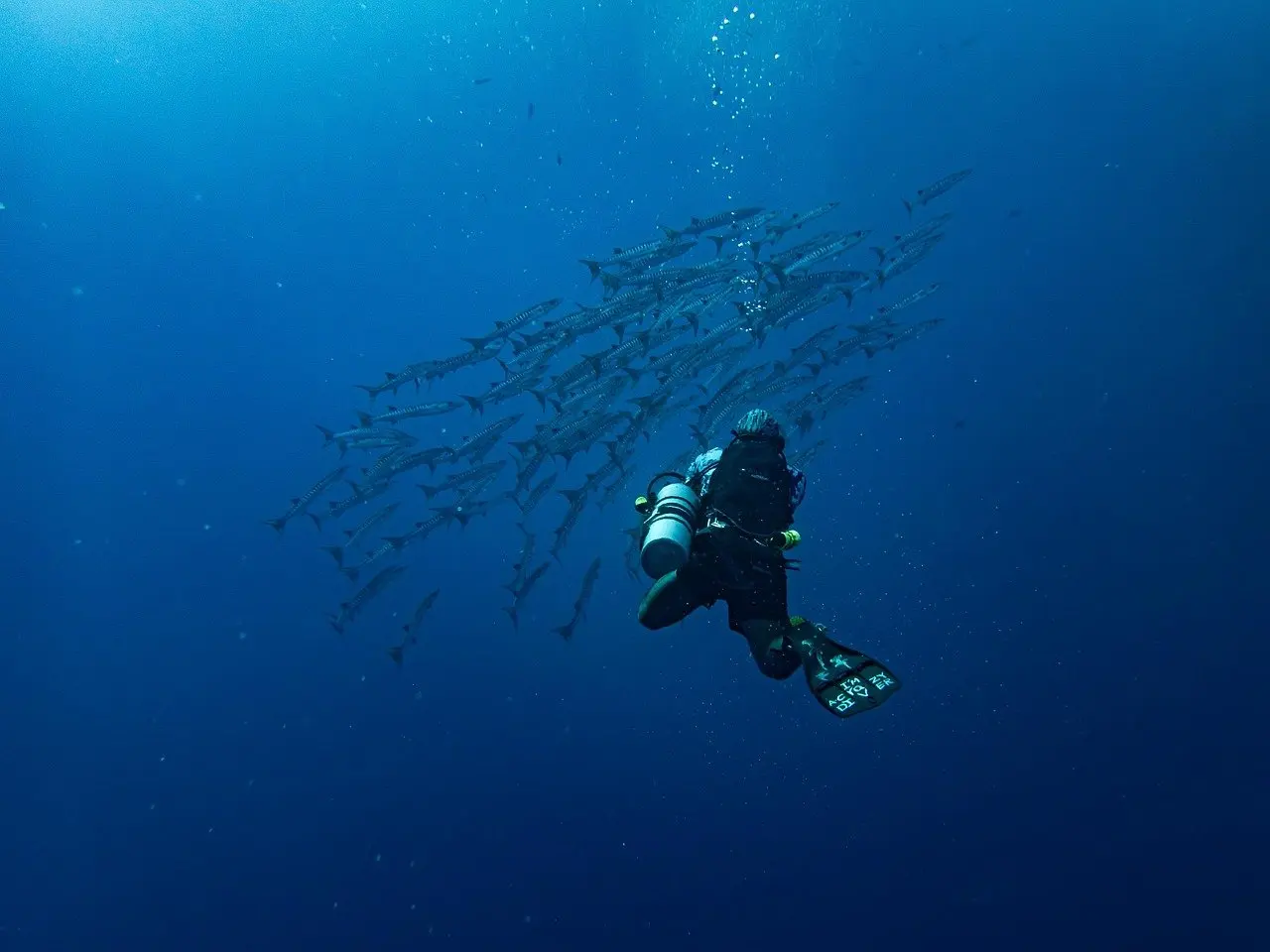
Dive day: conduct at a war grave
The wreck diving atlas is blunt that each wreck is a war grave as much as a dive site. The practical rule is to take only photos and to leave every relic where it lies.
- Look, do not take. Leave artefacts untouched, including small items resting on the structure.
- Stay outside unless trained. Deep interior penetration is for wreck-certified divers, and the Toa Maru interior is silty and overhead.
- Control buoyancy near the structure. Silt and slopes punish poor trim, and fins that drift can damage a fragile wreck.
- Plan the deepest point. Set a depth limit with your computer before descending, particularly on a wreck like Hirokawa Maru.
Formal oversight exists as well. The Government of the Solomon Islands issued the marine research permit for the 2025 survey, per the DVIDS report, so documentation work on these wrecks sits under official approval. Recreational divers can follow that example by treating the sites with the same care.
Conditions and marine life
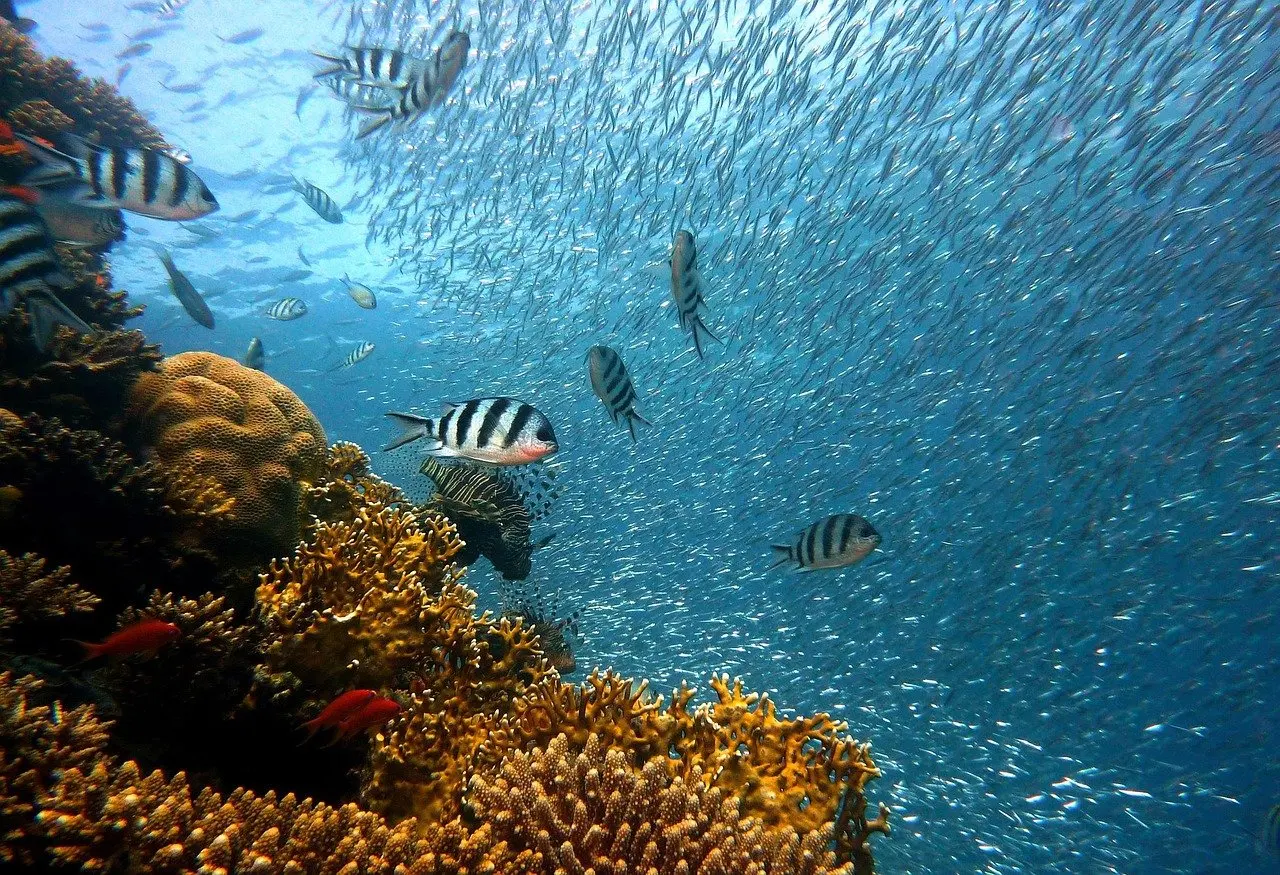
Annual water temperatures in the Solomon Islands average 28-29 degrees C, according to Scuba Diving magazine, and visibility is about 18 m. These conditions let divers see a wreck’s outline and surrounding marine life clearly.
A dive travel operator describes the wrecks as slowly being reclaimed by the ocean, covered in corals. That growth means the sites also work as reef habitat, which adds another reason to avoid touching the structure. Gizo, for example, is reachable by a short domestic flight from Honiara.
Troubleshooting
- Only Open Water certified. Start with Kinugawa Maru, the shallow aircraft and the Bonegi shore dives, then add Advanced, Deep and Wreck courses before moving to Toa Maru.
- Wreck looks too deep. Treat the 55 m stern of Hirokawa Maru as a technical dive and stay shallow unless trained for decompression.
- Silty interior. Stay outside unless wreck-certified, since the Toa Maru interior is described as silty and overhead.
- Wanting the famous warships. Their depth rules out recreational diving, so read about them through the campaign history instead.
Frequently asked questions
Can beginners dive any of these wrecks?
Yes. Kinugawa Maru requires Open Water, and the Bonegi beaches are walk-in shore dives, though the atlas does not list a certification level for them.
Are the big warships divable?
No, not recreationally. The heavy combatants lie in 150 to 1,000-plus metres of water.
Is a boat needed for the Bonegi beaches?
No. They are two shore dives about 12 km west of Honiara, entered by walking in from the beach.
How many wrecks did the 2025 survey cover?
Researchers surveyed 13 wreck sites, and four of the ships were logged for the first time.