Choosing the best liveaboard solomon islands trip means matching a boat to your certification, logged dives and safety expectations, not to brochure photos. With so few mainstream boats, the shortlist is short and the checks are specific.
- Start with experience. Your certification level and number of logged dives decide which boat will take you comfortably.
- Then check safety. Remote diving makes oxygen, crew training and evacuation planning more important than cabin styling.
- Finish with questions. A written reply to the operator checklist below separates substance from sales copy.
For routes, wrecks and the wider picture, the hub guide to solomon islands liveaboard diving sets the context. This page deals only with the decision itself.
Too few boats to browse, so compare the details
Faneca Expeditions describes the Solomon Islands as having essentially two mainstream liveaboards, serving roughly a thousand islands east of Papua New Guinea. That changes how a comparison works.
A solomon islands liveaboard comparison is therefore best built on five points: the experience level each boat accepts, how guiding works, what safety equipment and training are aboard, how the boat has been maintained, and what the price covers. Photos of cabins and salons rarely answer any of these. Treat them as the last tiebreaker, not the first filter.
Certification and logged dives: which boat will take you
Your certification card and logbook decide the shortlist before anything else does. The two mainstream boats are not equally open to newer divers, as the table shows.
| Boat | Experience stated | Other detail | Planning use |
|---|---|---|---|
| Bilikiki | Accepts Open Water certified divers | Described as the more welcoming option | The natural starting point for newer divers or those with a basic card |
| Solomons Master | Leans toward divers with around 50 logged dives; not always a hard published limit | Refitted in 2016 | Suits divers with a settled logbook; ask for the minimum in writing if you are close to the line |
These figures come from Faneca Expeditions’ Solomon Islands liveaboard guide, which compares the two boats.
The Solomons Master figure is a lean, not a wall. A diver with fewer logged dives should not assume rejection, and should not assume acceptance either. The sensible step is to ask the operator what it does with borderline cases and to get the answer by email. A diver whose card is Open Water but whose logbook is thin has a clear default in Bilikiki. A diver with a fuller logbook has both boats open and can choose on guiding style and safety.
Boat size, dive deck and guiding style
Small versus large is a weaker test here than it sounds. Because only two mainstream boats operate, the real comparison is between those specific boats on guest numbers, deck layout and guiding, not between size categories. Ask each operator for the number of guests and the number of guides on a typical departure, then judge how crowded the deck and entry platform are likely to feel.
Guiding and independence
Guiding style varies more than boat size does. One diver quoted by Undercurrent’s Solomon Islands reviews said Bilikiki’s guides would leave divers alone in the water if they wanted, or guide them if asked. That suits experienced buddy teams who want independence and also newer divers who want company. If you prefer a guide for every dive, confirm that on any boat before you pay a deposit.
Age and refit
Boat condition matters on a trip that is remote and several days long. Faneca Expeditions notes that Solomons Master is run by Master Liveaboards and was refitted in 2016. A refit date is a prompt for a question, not a verdict. Ask what the refit covered and how equipment such as compressors and tank racks has been maintained since.
Safety checks that sales copy skips
Distance is the safety issue that defines the Solomons. Faneca Expeditions warns that if something goes wrong medically, you are a long way from a hyperbaric chamber. That puts the emphasis on what the boat can do before help arrives: oxygen first aid, crew training and a clear evacuation plan.
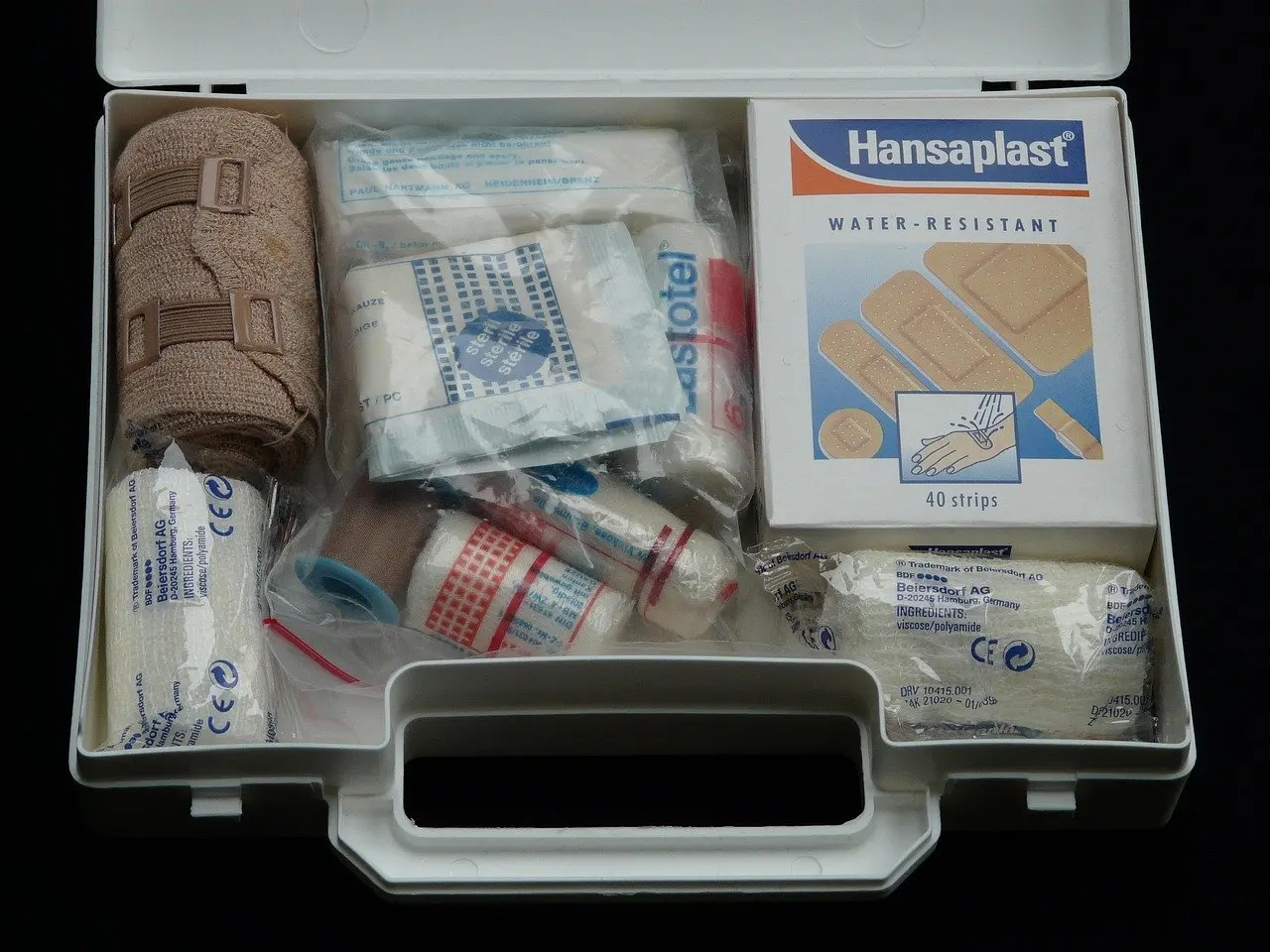
Brochures usually list oxygen as a tick box. A better test is whether staff can describe the procedure without prompting. Ask which crew members hold oxygen first aid training, and from which training agency. Ask where the oxygen and first aid equipment is kept and how a medical evacuation would be arranged from the itinerary’s remote sites.
The orientation is another useful signal. A Solomons Master guest quoted by Undercurrent said that, right from the start, they were very impressed with the crew’s focus on safety. A boat that opens with a serious safety orientation is showing the habit you want. If an operator avoids safety questions before booking, treat that as a reason to look at the other boat.
Budget and trip length
Price is the last filter, not the first. Faneca Expeditions puts a 10-night charter with a cabin, all diving and full board at about €4,050 to €6,300+, before flights. Where a quote falls inside that range depends on the cabin, so confirm exactly what the all-in price covers. The solomon islands liveaboard cost guide breaks the spending down further.
Trip length is a separate decision from boat choice. The 10-night charter priced above can be weighed against a 7 night solomon islands liveaboard, which suits divers who have fewer days available.
Questions to put to operators before booking
Send these in one email and compare the answers side by side. Specific, written replies are a better guide than a polished website.
- What is the certification and logged-dive requirement? Ask for the minimum in writing, and ask how borderline divers are handled.
- Who is trained in oxygen first aid? Ask for the number of crew and the training agency.
- What is the medical evacuation plan? The nearest hyperbaric chamber is far away, so ask how the boat would reach help.
- How many guests and guides are aboard? This turns the small-versus-large question into numbers you can compare.
- How does guiding work? Ask whether you can dive independently with a buddy or must follow a guide.
- What has been maintained or refitted? Ask about compressors, tanks and the dive deck, not only the cabins.
- What does the price include? Ask what is covered beyond the cabin, diving and food.
Frequently asked questions
| Question | Answer |
|---|---|
| How many dives a day should I expect? | A Dive the World trip report on Bilikiki describes up to 5 dives a day, mixed with cultural visits. Ask each operator for a typical daily schedule. |
| Can recreational divers dive the wrecks? | Iron Bottom Sound holds one of the greatest concentrations of WWII wreckage on the planet, according to Faneca Expeditions. Some wrecks suit recreational divers, while the deeper ones are technical-diver territory, so check the depths on the itinerary. |
| Has coral bleaching affected the reefs? | The same trip report notes 2 bad bleaching events, in February 2024 and February 2025, and also lists 9 species of anemonefish in the Solomon Islands. Ask operators about recent conditions at the sites on your route. |
| Are the seas rough between sites? | Faneca Expeditions says seas can be lumpy between sites. Ask the operator how long the crossings are on your itinerary. |