Quick answer: The best time to dive Solomon Islands liveaboard routes is May–November, when conditions are drier with better visibility. December–March can bring clear water and mantas but falls in cyclone season, and the sea stays warm all year.
This guide turns climate and sea-temperature data into a choice of month for solomon islands liveaboard diving, and shows which conditions matter and which barely change through the year.
Choosing a liveaboard window
The Solomon Islands are diveable year-round, so the real decision is which trade-off suits the trip. According to the dive-travel guide GoodDives, May–November is drier with better visibility. The same guide notes that December–March can also bring clear water and mantas, though it is cyclone season.
- Choose May–November if this is a first trip, or if you want the most settled weather and the best visibility. It is the safest default.
- Choose December–March if mantas are the priority and you can accept a cyclone-season booking and a rainier outlook.
| Window | Conditions | Planning use |
|---|---|---|
| May–November | Drier, better visibility. Forecast May 2027: 20–35 m visibility, 28.8 °C (84 °F). Forecast July 2027: 20–35 m, 28.0 °C (82 °F). | Default window for visibility-led trips and first-time visitors. |
| December–March | Can bring clear water and mantas; cyclone season. Forecast December 2026: 15–25 m, 28.7 °C (84 °F). Forecast December 2027: 15–25 m, 29.7 °C (85 °F). | Suits manta-focused trips and flexible travellers. |
| January–February | Operator notes it can rain a lot. | Plan for wet days; the most rain-exposed months in the operator’s description. |
Window descriptions and forecast figures come from GoodDives, and the rain note comes from liveaboard operator Bilikiki Cruises.
Water temperature through the year
Solomon Islands water temperature stays between 28–30 °C (80–86 °F) all year, according to Bilikiki. That is a narrow band, and it means no month is a cold-water month.
Forecast data from GoodDives fits that picture. Its coolest forecast reading is 28.0 °C (82 °F) in July 2027, and its warmest is 29.7 °C (85 °F) in December 2027. The forecast spread is small enough that it should not decide the booking.
The practical consequence is about comfort, not season. A liveaboard day involves repeated immersions, and the operator schedule runs to a night dive as well. Choose exposure protection for how easily you cool down over a long diving day, not for the month you travel.
Visibility by season
Solomon Islands visibility is generally excellent, and Bilikiki says that while it is sometimes better or worse, there does not seem to be a seasonal cycle. That is a first-hand operator view of a boat that works among the islands.
Regional forecasts show a tilt rather than a cycle. GoodDives forecasts 20–35 m for May 2027, against 15–25 m for both December 2026 and December 2027. The lower December range sits alongside the guide’s note that May–November is drier with better visibility.
Treat these two views together. If the best possible clarity is the priority, the dry months give the better odds. If the dates are fixed in December–March, expect the lower forecast range, but not poor diving: the same guide says that period can bring clear water.
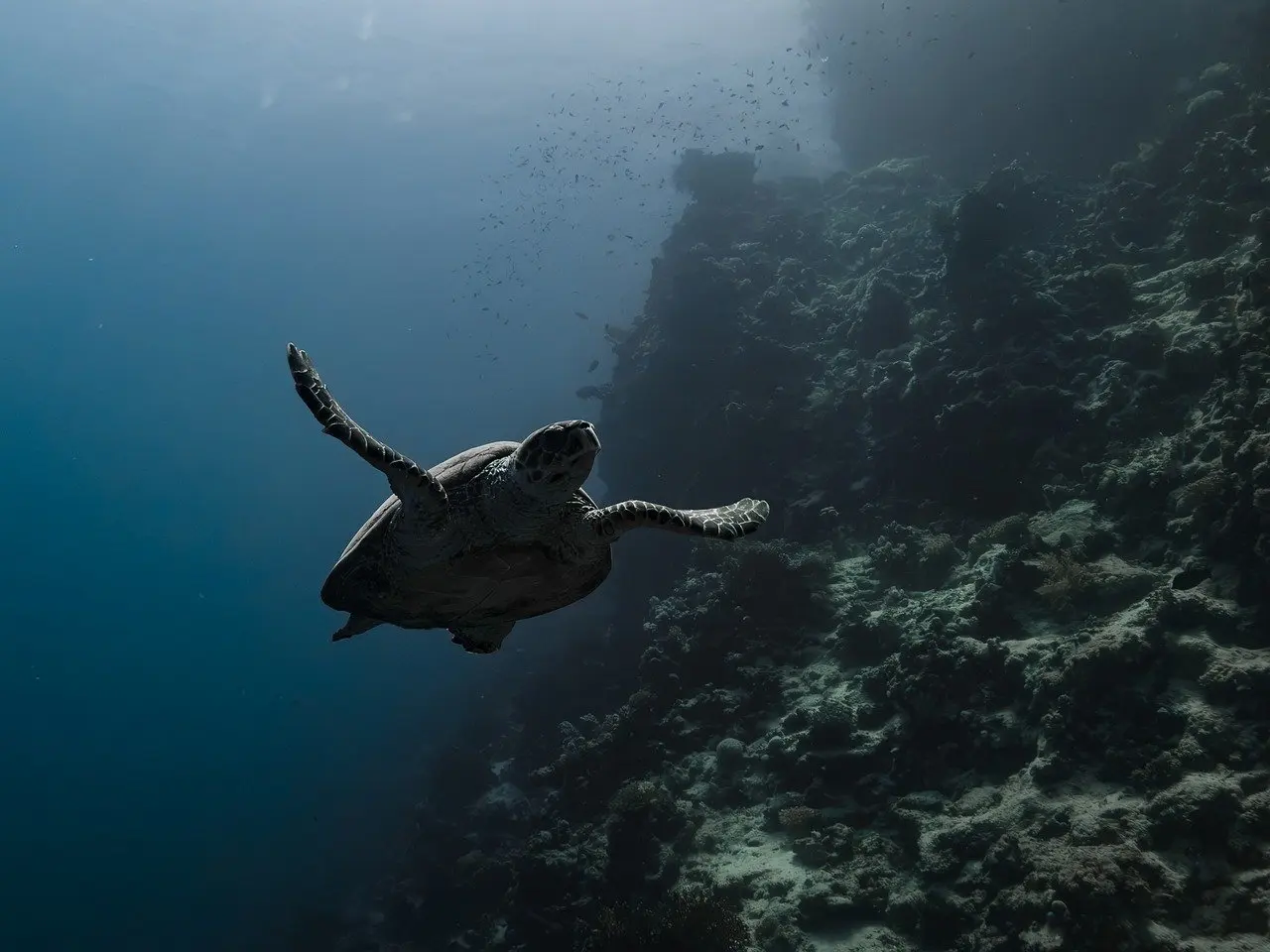
Depth shapes what visibility means in practice. GoodDives lists typical diving depths of 5–30 m for the region, so the forecast ranges cover most of the water column a diver will actually use.
The wet season, cyclones and wind
The wet season is not a bad time to dive, but it is a time to plan around rain. Bilikiki notes it can rain a lot in January and February. Rain affects topside comfort and the mood of surface intervals more than the reef itself, and the same operator’s description does not tie it to poor underwater clarity.
The weather outlook can also shift. GoodDives says El Niño makes the wet season drier, and its forecast for November 2026–April 2027 reflects that. A drier wet season improves the case for December–March, but it is a forecast, not a promise.
Cyclone season
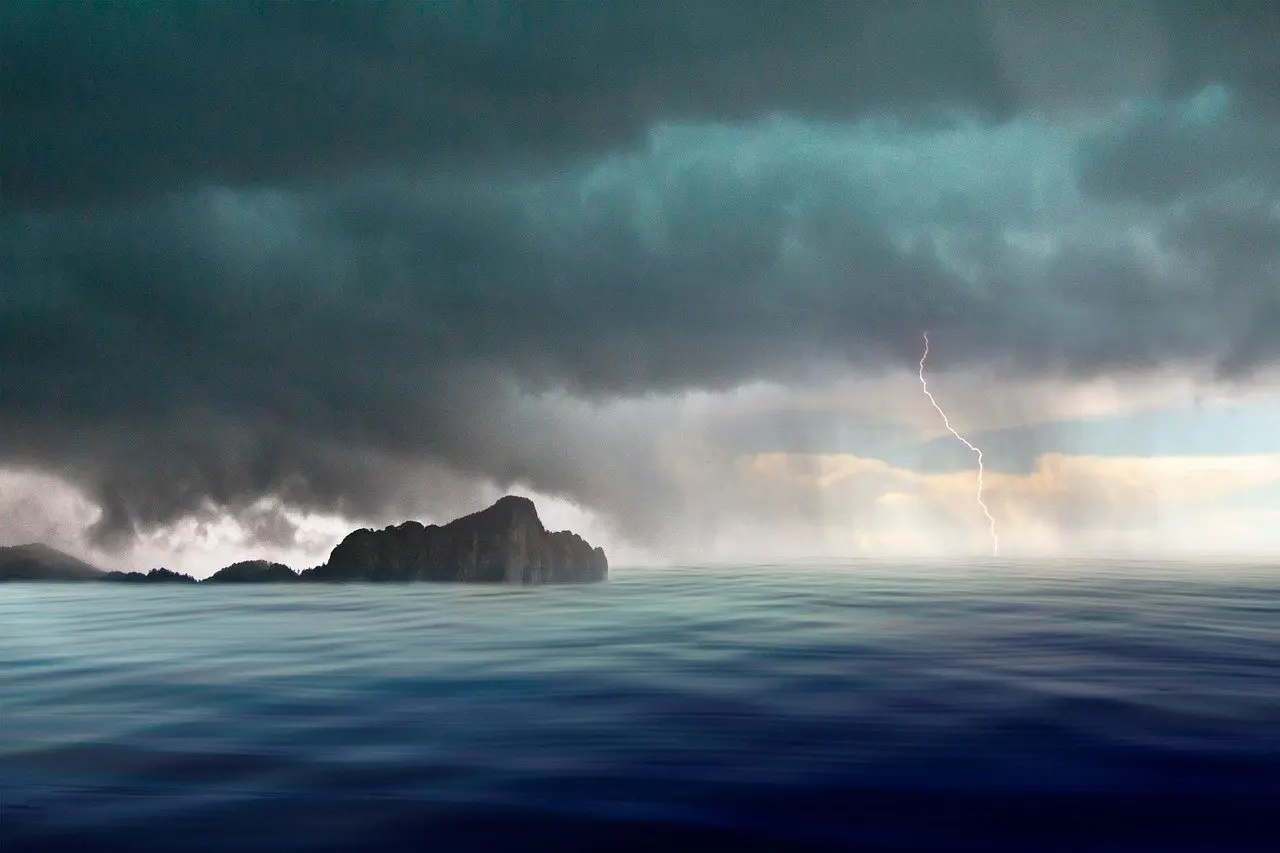
The two sources frame cyclone risk differently. GoodDives describes December–March as cyclone season, while Bilikiki says that, being so close to the equator, cyclones are almost unheard of. For a booking decision, use the first as the formal season window and the second as the operator’s experience of the area. Anyone who wants to avoid the question entirely can travel in May–November.
Wind and sea state
Wind is less limiting on a liveaboard than on a day-boat. Bilikiki says that even when it is windy, the sea is flat among the islands where the days are spent. That gives a liveaboard a practical advantage over a trip that crosses open water to reach each site.
What a liveaboard changes about timing
A liveaboard lets the itinerary follow the conditions, which is why season matters less here than for a fixed resort stay. GoodDives lists liveaboard and resort as the dive styles in the region, and an operator can move between sheltered waters within a trip.
The setting rewards a well-chosen window. The Solomon Islands sit within the Coral Triangle, and Bilikiki, which has run liveaboard trips there for over 25 years, notes there are very few dive operators. The result, according to the operator, is that divers rarely meet another dive boat. Bottom times on its trips are unlimited except on the odd dive, so a good-visibility month gives more usable time at depth.
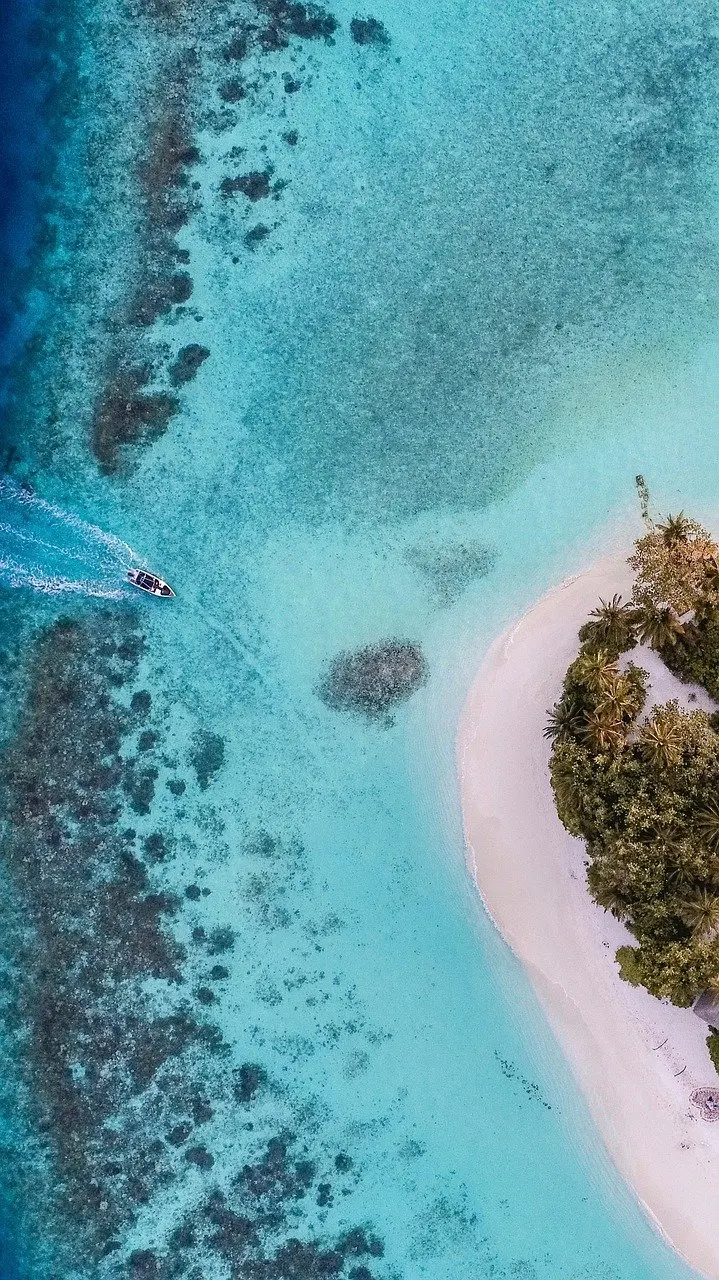
Site choice can also refine the month. For a single site’s conditions, the guide to leru cut solomon islands is a useful next read. Travellers pairing this trip with another destination can compare windows in the notes on a solomon islands and papua new guinea diving trip.
Troubleshooting a fixed travel date
- Travelling in January or February. Expect rain, as the operator describes. Build in flexibility for topside plans and accept that the dive itinerary, not the calendar, will absorb the weather.
- Travelling in December–March for mantas. Accept the lower forecast visibility range and the cyclone-season label. Check the operator’s own position on cyclones before paying a deposit.
- Choosing between a dry-season and a wet-season date. Pick the dry season if visibility is the priority. Pick the other if mantas matter more and the El Niño-influenced outlook looks favourable.
- Worried about a windy forecast. Remember the operator’s report that the water among the islands stays flat even when it is windy. Wind alone is rarely a reason to move a trip.
Frequently asked questions
Can you dive the Solomon Islands all year?
Yes. GoodDives describes the region as diveable year-round, with May–November the drier period.
How many dives a day does a liveaboard offer?
Bilikiki offers 4 dives a day with a night dive as well. Other operators may run different schedules.
How strong are the currents, and how deep do divers go?
GoodDives rates current strength at 3 out of 5 and gives a typical depth of 5–30 m for the region.
Which part of the country is sheltered from trade winds?
GoodDives says the western provinces, including Munda, are sheltered from the July–August trade winds.