Iron Bottom Sound wrecks off Guadalcanal are deep-wreck territory, reached by boat from Honiara, and most carry no permanent mooring lines. Plan for rebreather or trimix gas, a current-ready team and a trip built around technical divers.
This guide is for divers choosing between wrecks, working out whether their training and gas fit, and sorting out logistics. For wider trip formats, see solomon islands liveaboard diving, and for other sites compare the best wreck dives solomon islands.
Which wrecks can you dive in Ironbottom Sound?
Technical dive operators document three named wrecks in and around the sound: USS Aaron Ward, USS John Penn and USS Kanawha. The table compares them on the points that decide a plan: position, depth and what the dive demands.
| Wreck | Position and condition | Depth | Planning use |
|---|---|---|---|
| USS Aaron Ward | Destroyer, 106 m (348 ft) long | Deck about 60 m; seabed 70 m (229 ft) | The deepest of the three. Even the deck is at a depth that needs a full deep-gas plan. |
| USS John Penn | Lies on its starboard side | Port hull about 36 m (118 ft); seabed 56 m (183 ft) | The shallowest hull to work from, but strong tidal currents and silt make it more challenging. |
| USS Kanawha | Oil tanker north east of Soghonangola Island, at the entrance to Tulagi Harbour | Maximum about 57 m (187 ft) on a sandy bottom | Choose it when the team wants a clearly located wreck on a sand seabed. |
USS Aaron Ward
The Aaron Ward is the wreck to pick when the aim is a large, deep destroyer. Its 106 m (348 ft) length gives a long dive even before depth is considered. With the deck at about 60 m and the seabed at 70 m (229 ft), bottom time is the constraint, so plan the swim around a small part of the ship rather than the whole hull.
USS John Penn
The John Penn lies on its starboard side, so the port hull is the shallower working level at about 36 m (118 ft), with the seabed at 56 m (183 ft). The operator notes that strong tidal currents and a covering of silt can make it a more challenging dive. It suits a team with good buoyancy and finning discipline, and it is best timed for easier tidal conditions.
USS Kanawha
The Kanawha is an oil tanker lying north east of Soghonangola Island at the entrance to Tulagi Harbour. Its maximum depth is about 57 m (187 ft) on a sandy bottom. The sand seabed makes a different dive from the silt on the John Penn, so it suits divers who want a deep wreck without that particular silt concern.
Depth, gas and who can dive them
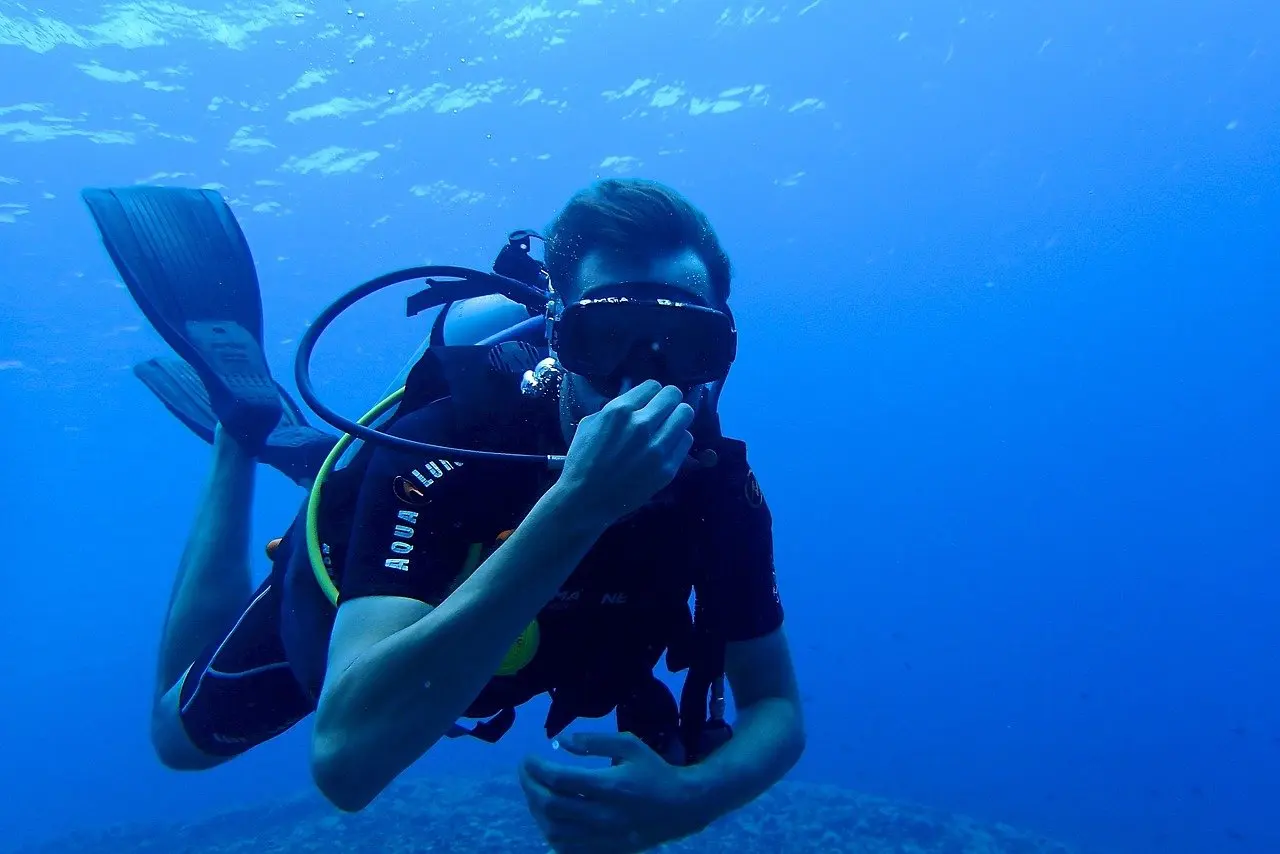
These wrecks are technical dives.
A February 2024 trip report from Wrecked in my Revo shows what that looked like. The group arrived with sorb, rebreather cylinders, bailout cylinders and banked trimix ready to go. They staged extra tanks, including Nitrox 50 and oxygen, at a portable decompression station. Each team’s maximum depth and runtime were noted on a master log before diving, which gives the boat crew a record of who is where.
Which agency course covers this depends on the diver’s training agency, so confirm the requirement with the operator before booking. In practice the decision comes down to three questions:
- Can your team handle current? The wrecks can see strong currents driven by tides, moon, weather and wind, so a team that has only dived calm sites should build up to these.
- Is your decompression logistics sorted? Staged Nitrox 50 and oxygen at a portable station worked for the group above, but the station has to be arranged with the boat in advance.
Why the wrecks lie in this sound
The wrecks lie here because Guadalcanal was the centre of repeated naval fighting. Wrecked in my Revo describes numerous battles at Guadalcanal during Operation Hightower, between 7 August 1942 and 9 February 1943, and ships lost over that period sit on the floor of the sound.

The Battle of Savo Island is one of those engagements, and Savo Island is the landmark that names it. The Guadalcanal Memorial is the easiest place to orient yourself: it overlooks the town of Honiara with Henderson Field and Savo Island in the distance. A short visit before a dive trip puts the sound’s geography in context, so the wreck positions make sense when the boat heads out.
The campaign’s wider underwater legacy, and how it is looked after, is covered in the guide to solomon islands underwater military history.
Reaching the sites from Honiara
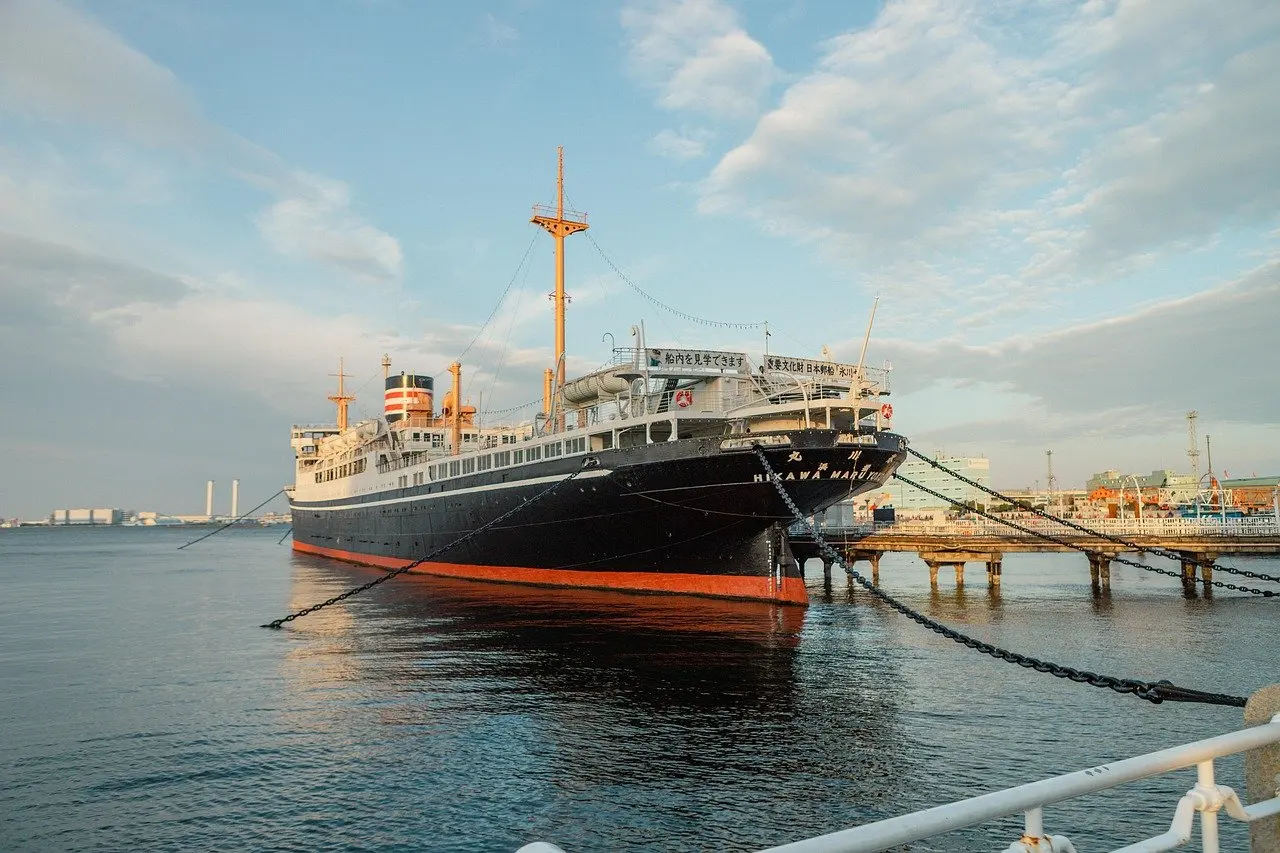
Divers reach the sites by boat from Honiara, the capital on Guadalcanal. Getting to Honiara itself needs one of two routes from abroad: via Brisbane (BNE) or via Nadi (NAN) to Honiara (HIR).
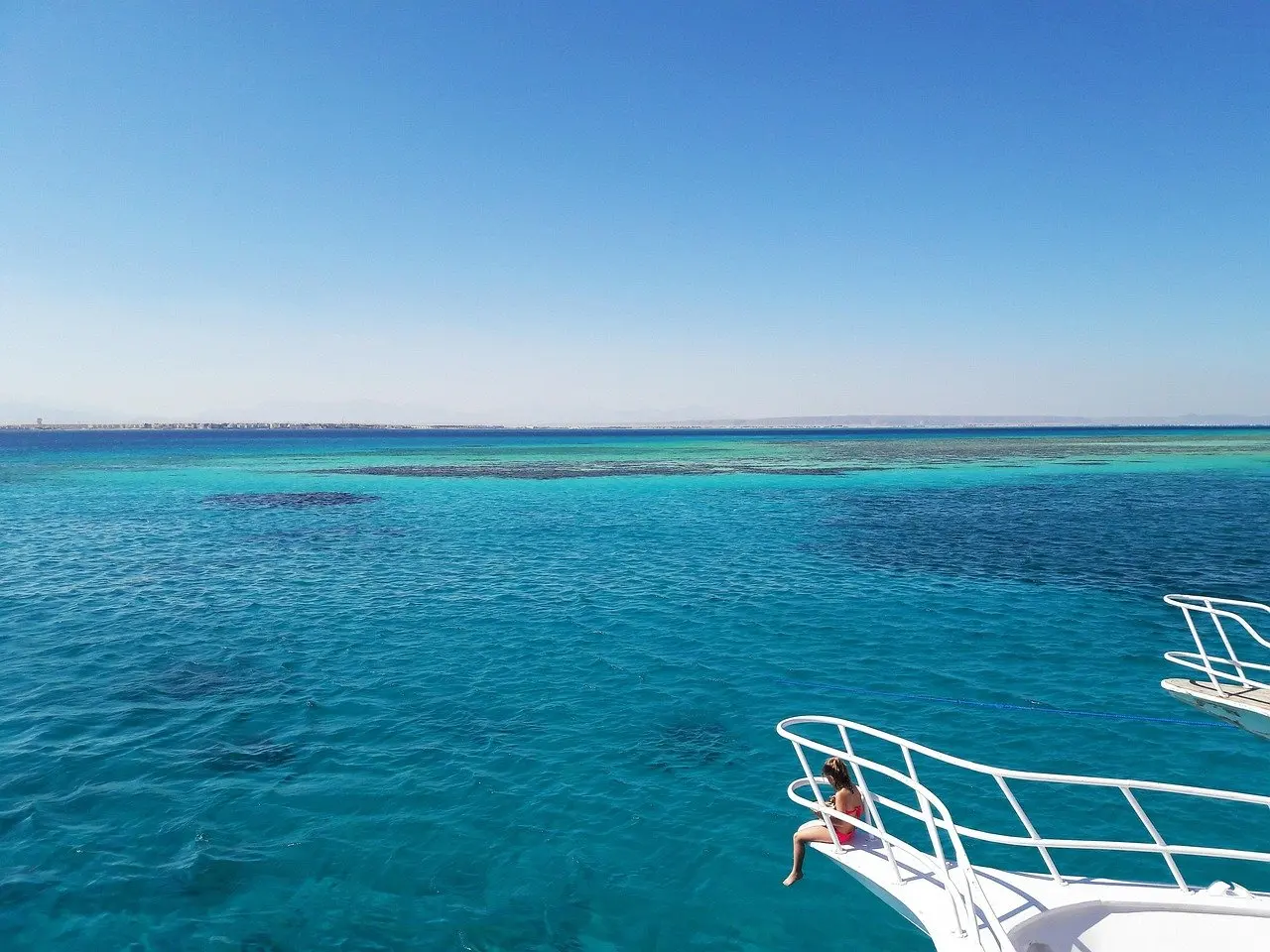
Once on the water, the method matters more than the distance. Wrecked in my Revo notes that most of these wrecks do not have permanent mooring lines. The crew puts a downline on the wreck, or uses an existing one, and RIBs shuttle divers to it. The skipper’s placement of the downline therefore determines where on the ship you start, so agree the intended entry point at the briefing.
The trip report ended with debarkation in Honiara, which fits a boat-based trip that starts and finishes there. A private charter or an operator-run technical expedition is the realistic route, rather than a standard recreational departure.
Troubleshooting common problems
- Current is stronger than planned. Tides, moon, weather and wind all drive the current, so keep a flexible schedule and be ready to swap wrecks. Move a John Penn dive to another day if the water is running hard.
- Visibility drops on the John Penn. Silt covers the wreck, and a loose-finning team stirs it up. Stay off the hull, keep fins high and lead with the most buoyancy-controlled diver.
- The downline is not where you expected. Without permanent moorings, the position depends on the crew that day. Confirm the entry point and agree an ascent plan before leaving the boat.
- Gear is too heavy to fly. Rebreather and gas equipment add weight on the way in. The trip report records excess baggage charged at AUD 20 per kg on a Solomons Air flight from Brisbane, so check allowances before packing.
Frequently asked questions
| Question | Answer |
|---|---|
| Do standard liveaboards cater to technical divers here? | Not usually. Wrecked in my Revo reports that the two liveaboards generally run recreational trips, which is why technical groups arrange their own gas, staging and charter. |
| What does excess baggage cost on the flight from Brisbane? | The trip report records a charge of AUD 20 per kg over the allowance on a Solomons Air flight from Brisbane. |