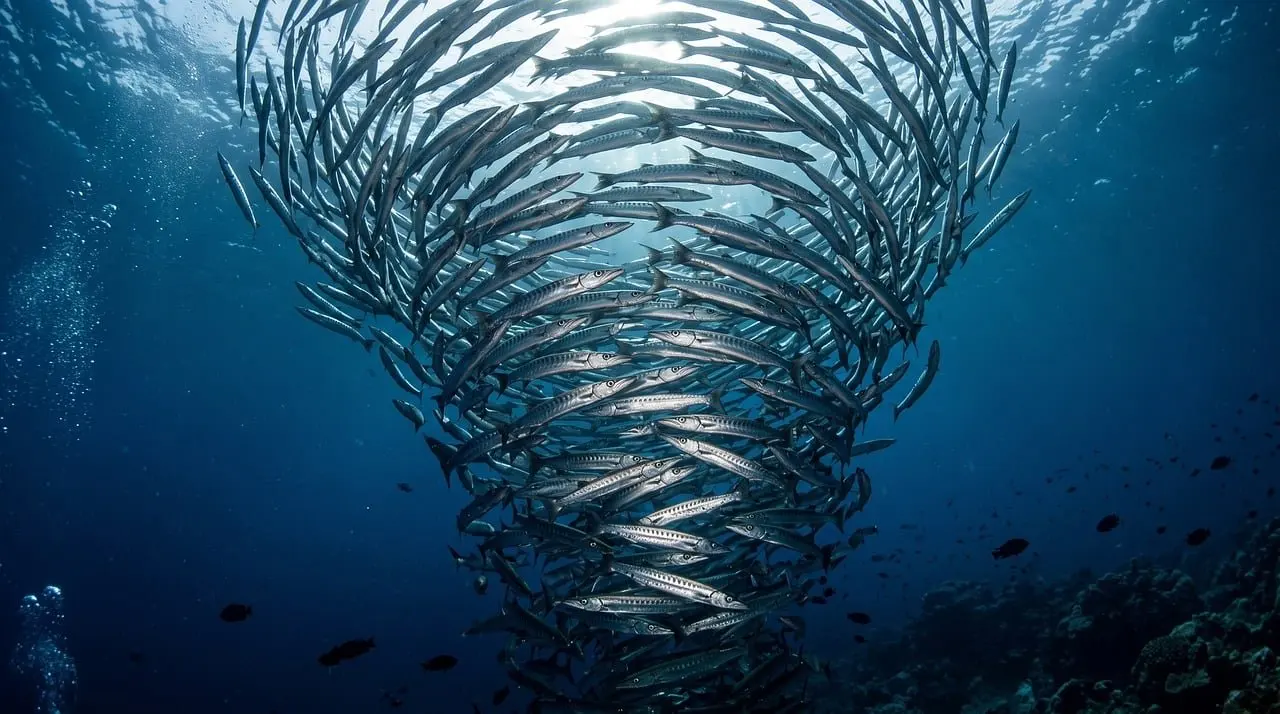
Schooling fish Solomon Islands diving is strongest where current, reef drop-offs and blue water meet: barracuda and bigeye trevally cruise just off the reef, and current-swept points pull in mixed crowds.
A diver hovering at the edge of a wall, watching silver shapes turn in the blue, is the scene this shortlist is built around. It covers open-water schooling fish and the places that attract them. Sharks, rays and reef residents are covered in the wider solomon islands marine life guide.
The shortlist at a glance
Five situations account for most big-fish encounters described by operators and regional guides. The table compares them so you can decide where to spend your best dives.
| Where to look | What gathers | Condition that matters | Planning use |
|---|---|---|---|
| Blue water beside the reef | Barracuda and bigeye trevally schools | Schools cruise a short distance from the reef | Look outward into the blue as often as you look at the reef. |
| Reef edge and wall | Reef fish alone or in schools | Groups sit a few yards from one another | Move slowly along the wall and scan for the next school. |
| Grand Central, Gizo | Mixed fish in large numbers | Currents converge at the point | Treat it as a priority dive when you want volume. |
| Twin Tunnels, Florida Islands | Masses of feeding fish | Current washes over a bommie | Best suited to divers happy to hold position in moving water. |
| Uepi Point | Mantas to hammerheads, with two or three dozen species per dive | What appears changes with the tide | Ask your operator about tide timing before you commit to a slot. |
Site and species descriptions in the table come from Dive Discovery and Dive Planit.
Bigeye trevally and jack schools
Bigeye trevally are the clearest named jack-family school in the Solomons evidence. Dive Discovery describes schools of barracuda, big-eye trevally and other pelagics cruising in the blue water a short distance from the reef.
That placement tells you how to dive. Trevally schools are not reef residents that stay tucked into coral. They patrol the open side of the reef, so the best viewing position is usually at the wall’s edge with your eyes on the blue rather than on the coral.
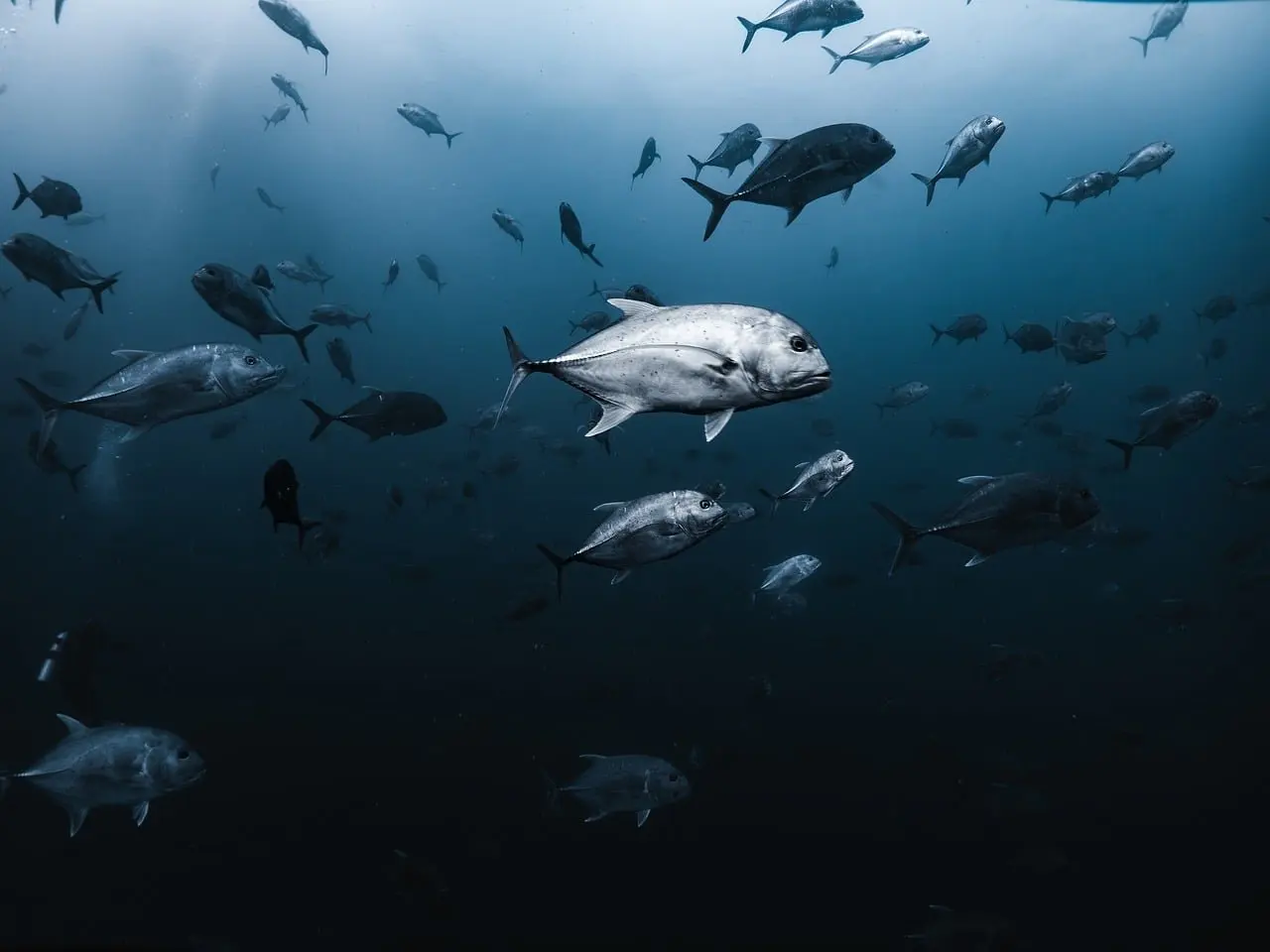
This option suits divers who enjoy watching behaviour from a stable position. Its limit is predictability: the sources describe schools cruising rather than fixed at one coordinate, so an encounter depends on being in the right place at the right moment. For help naming what passes by, the solomon islands marine life identification guide is a useful companion.
Great barracuda schools
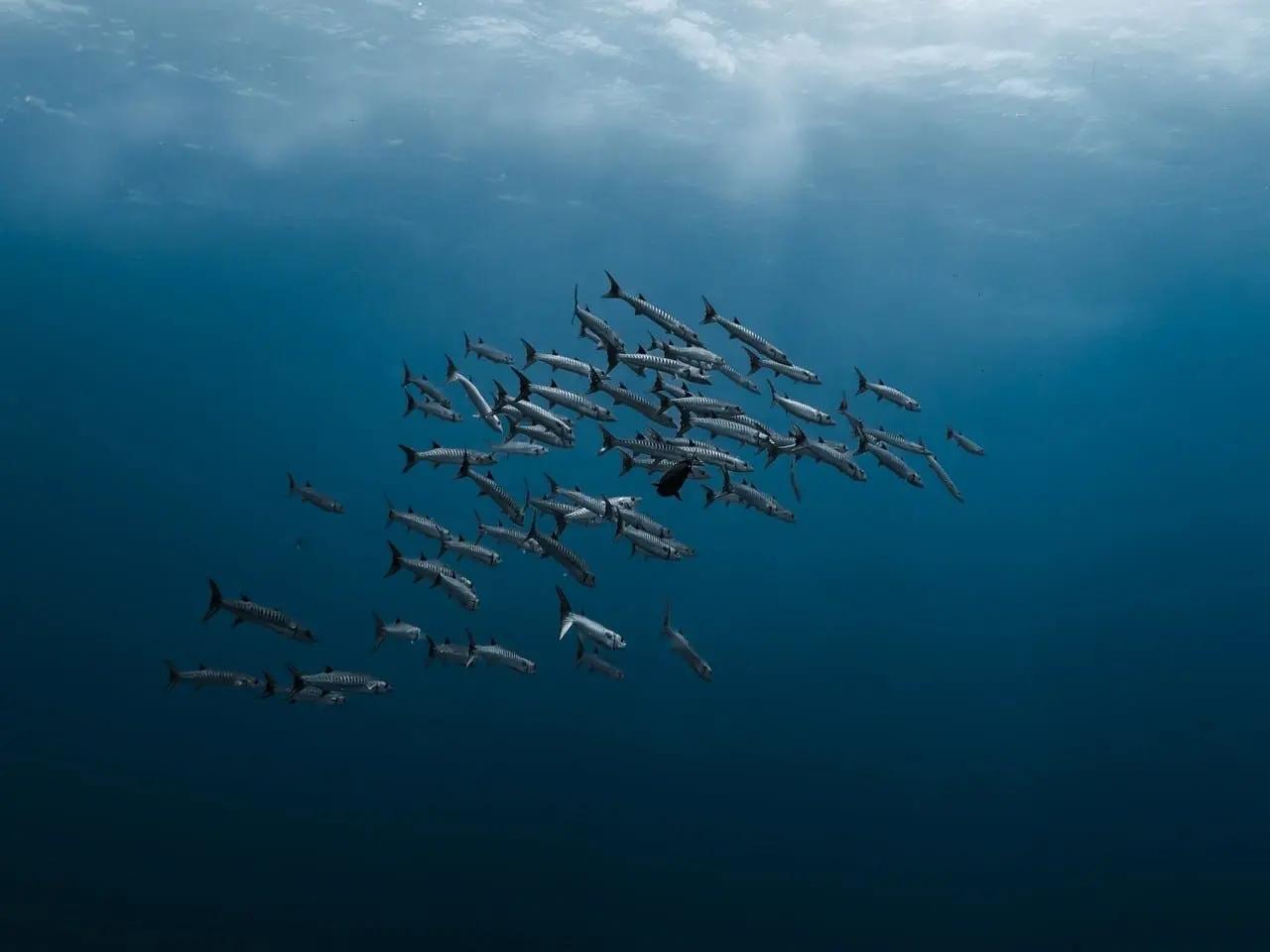
Great barracuda appear in the same blue water as the trevally. Dive Discovery lists barracuda among the schools cruising near the reef, and Master Liveaboards includes barracuda and schooling fish among the sightings divers record in the Solomons.
Barracuda suit divers who want a reliable open-water sight without technical demands. Because they hold in the water column rather than hugging coral, they are visible against the blue from a distance. The trade-off is that a school may keep its distance, so patience and a calm, low-bubble position matter more than chasing.
Reef-edge schools along drop-offs
A reef drop-off concentrates life along a single line. Master Liveaboards lists breath-taking drop-offs among the Solomons highlights and describes coral walls, sea mounts and reef systems alive with schooling fish, sharks and turtles.
Dive Discovery adds that reef fish can be seen alone or in schools just a few yards from one another. In practice that means a wall dive can deliver several different schools in a short stretch, each with its own behaviour. This option suits divers who prefer a relaxed drift along structure to waiting for pelagics.
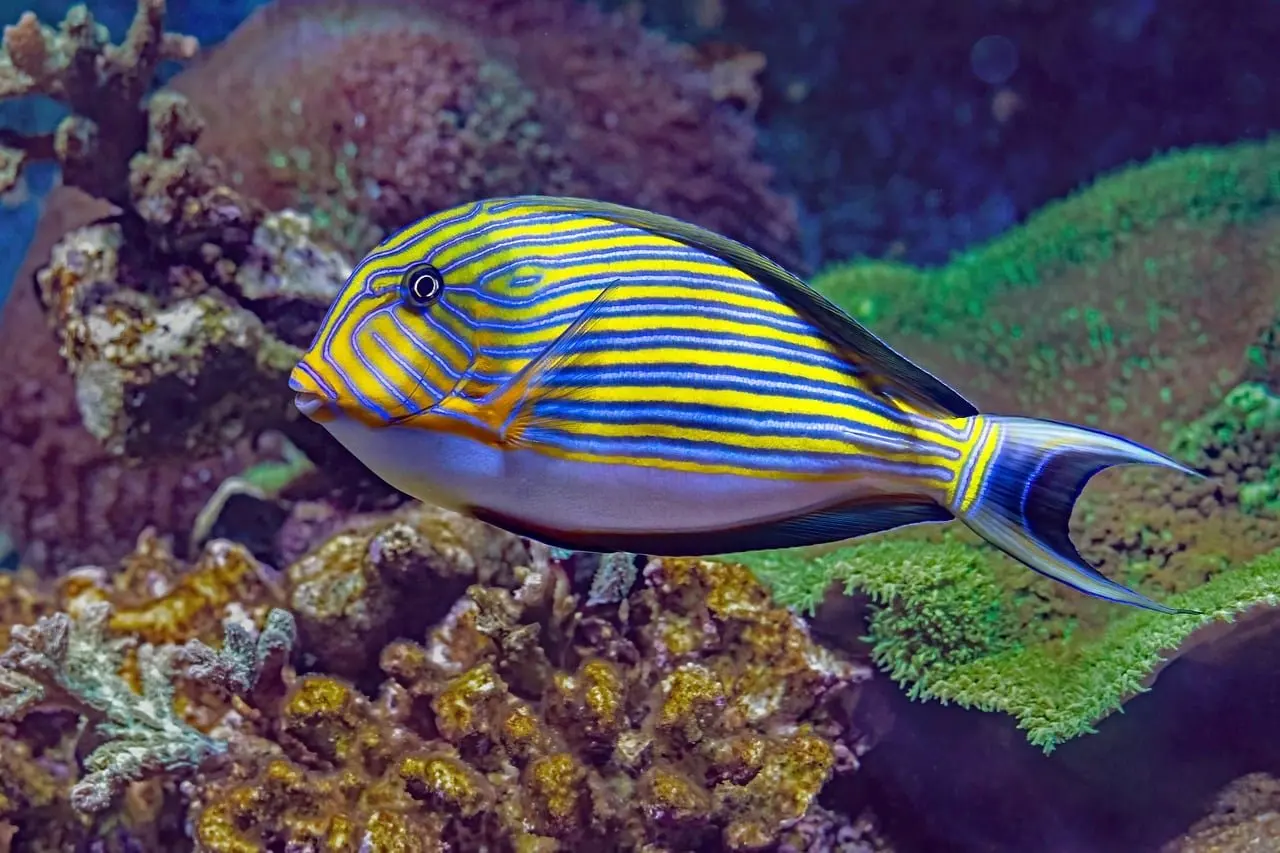
Wall schools are generally smaller and more varied than the blue-water crowds, and what hangs on the wall depends on the reef itself. The solomon islands coral reefs guide explains the reef structure these fish live along.
Current-swept sites worth planning around
Current is the most consistent condition behind big-fish action in the Solomons. Dive Planit describes the pointy end of an island, where two currents converge, as the place where everyone comes in for a feed.
Moving water carries food past fixed structure, and fish position themselves to intercept it. These sites reward divers who are comfortable with flow. They are a weaker choice for anyone who prefers still, relaxed conditions.
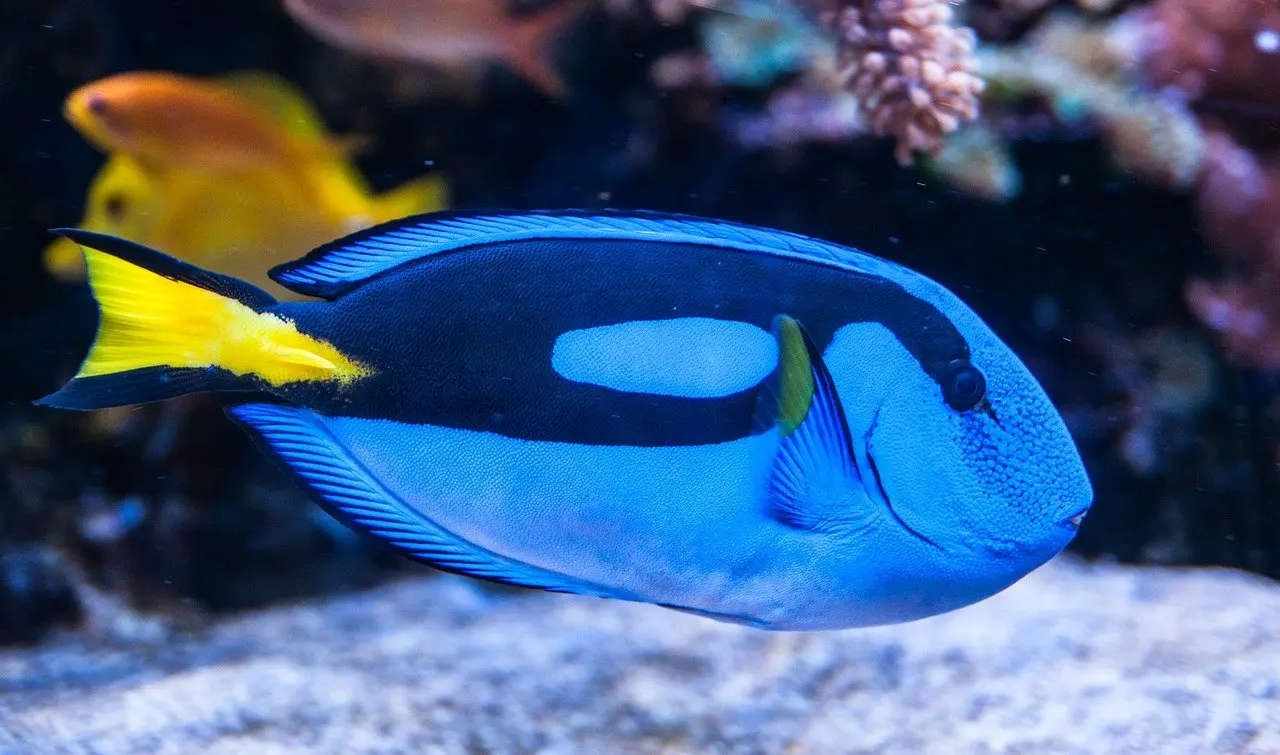
Grand Central, Gizo
Grand Central is a point where currents converge. Dive Planit says divers see more fish on that one dive than they would normally see on five. It is the strongest candidate on this list when volume is the goal, and it is worth scheduling early in a trip so that a missed slot can be repeated.
Twin Tunnels, Florida Islands
Twin Tunnels is described by Dive Planit as a place with masses of fish feeding in the current that washes over the bommie. It suits divers who want a compact structure with fish concentrated around it, and the feeding behaviour gives photographers a reason to hold still rather than swim on.
Uepi Point
Uepi Point is the choice for variety. Dive Planit says it attracts different critters depending on the tide, from mantas to hammerheads, with two or three dozen species seen on a dive. The practical lesson is that the same point can look different at different times, so a single visit does not tell you what the site can offer.
Liveaboards for remote reefs
A liveaboard widens the shortlist. Master Liveaboards says its routes access rarely dived reefs far from land-based operations, and Dive Planit calls a liveaboard the best way to see a variety of terrain and marine life in one trip.
That suits divers who want walls, sea mounts and current points in a single itinerary. The limit is control: an itinerary sets which sites you reach and when, so tide-sensitive spots like Uepi Point are better planned with a land-based stay if you want to choose your timing. Master Liveaboards also points to nutrient-rich waters around the islands, which supports the abundant marine life behind these encounters.
Choosing your big-fish dives
Use this order to turn the shortlist into a plan.
- Decide how much current you will accept. Comfortable in flow points you to Grand Central or Twin Tunnels. Preferring easy conditions points you to wall dives.
- Pick the school you most want. Barracuda and bigeye trevally are blue-water sights, so position yourself on the open side of the reef.
- Match the trip to the tide. If Uepi Point is a priority, ask about tide timing, because the animals change with it.
- Choose liveaboard or land base. Pick a liveaboard for range and remote reefs, or a land base for repeat visits to one tide-dependent site.
- Keep a flexible slot. Schools cruise rather than stay fixed, so plan a second visit to your priority site where the itinerary allows.
Frequently asked questions
Why do fish gather in schools at certain spots?
Food and flow. Master Liveaboards points to nutrient-rich waters, and Dive Planit describes fish feeding where currents converge at island points and over bommies.
Which fish form big schools on Solomon Islands dives?
Barracuda and bigeye trevally are the named blue-water schools, while reef fish form groups along walls. Operators also list schooling fish generally among guest sightings.
Do the same sites show the same fish every time?
Not always. Dive Planit says Uepi Point attracts different animals depending on the tide, so timing changes what you see.
Is a liveaboard necessary to find big fish?
No source says it is necessary. Operators present it as the way to cover varied terrain and reach rarely dived reefs in one trip, while sites such as Grand Central and Twin Tunnels are described as individual dive spots.