For underwater photography Solomon Islands divers should match the lens to the subject: a macro lens for small critters, a wide-angle or fisheye lens for sharks, reefs and wrecks, and strobes pulled in close to the housing.
A single dive can offer a tiny nudibranch on the reef wall and a wartime wreck on the same morning, and one lens rarely serves both. The sections below take each subject in turn, then cover reef etiquette. For the animals themselves, see solomon islands marine life, and use the solomon islands marine life identification guide to know what you are looking at before you raise the camera.
Macro setup for small subjects
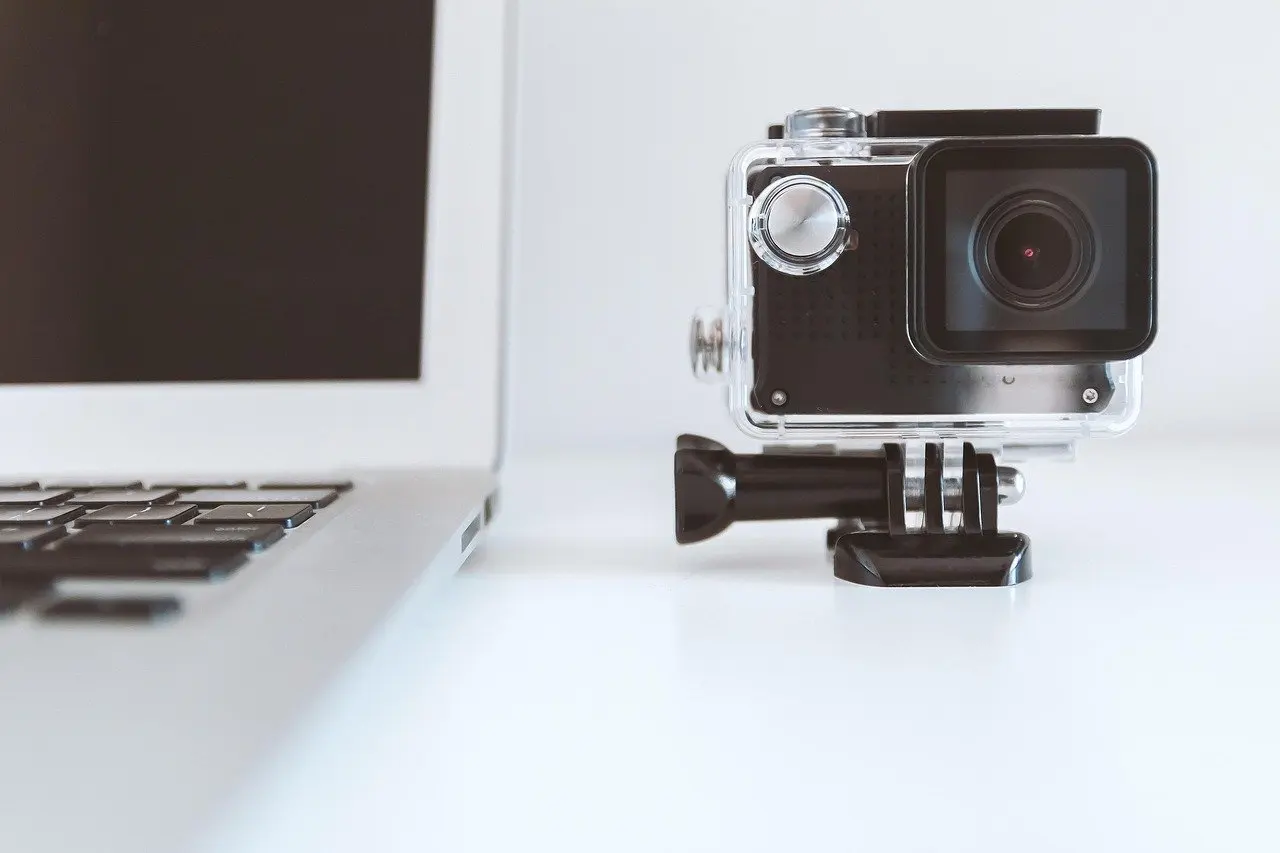
A dedicated macro lens is the base of a good macro rig, and a conversion lens adds reach for the smallest subjects. Divers Alert Network’s Alert Diver magazine describes a Banggai cardinalfish photographed in Lembeh, Indonesia, with a Nikon 105mm macro lens with a Nauticam EMWL conversion lens. That is a useful reference point for a macro rig, though the shot was not taken in the Solomon Islands.
This setup suits photographers who are patient and settled in the water, because macro leaves little margin for drifting. It is a poor choice if the dive is mostly about sharks or wrecks, since a macro lens cannot frame them. If pygmy seahorses are the goal, read where to find pygmy seahorses in the solomon islands before choosing sites.
Subject colour changes the exposure. The same DAN article notes that pale subjects, such as pale cuttlefish, need less strobe power than a darker subject at the same distance. Check the screen after the first frame rather than reusing the previous setting.
Wide-angle lenses for reefs and close subjects
A wide-angle lens lets you shoot very close, which keeps water between lens and subject to a minimum and holds both a foreground subject and the reef behind it. The trade-off is distortion. DAN states that the shorter the focal length of a lens, the more barrel and depth distortion it produces, and that fisheye lenses generate the most.
For reef scenes, a fisheye can still work when the distortion is part of the look. DAN’s example is a Seychelles anemonefish taken with a Nikon 8-15mm circular fisheye at 8mm. Photographers who want straighter lines on the reef or wreck structure should choose a longer wide-angle focal length than a circular fisheye.
Lens choice at a glance
| Subject | Lens example | Planning use |
|---|---|---|
| Small critters | 105mm macro with a conversion lens | Choose when the target is a nudibranch or fish smaller than the frame |
| Close-focus reef scenes | 8-15mm circular fisheye, used at 8mm | Choose for a close subject against a wide reef backdrop, accepting strong distortion |
| Large animals | Wide-angle lens, animal at a 45-degree angle | Choose for sharks, with the body angled to limit distortion |
| Wrecks | Wide-angle lens | Choose to capture the scale of a ship such as the Kinugawa Maru |
Lens examples come from Divers Alert Network, and the wreck suitability note comes from Zebaco’s Solomon Islands photography overview.
Photographing sharks
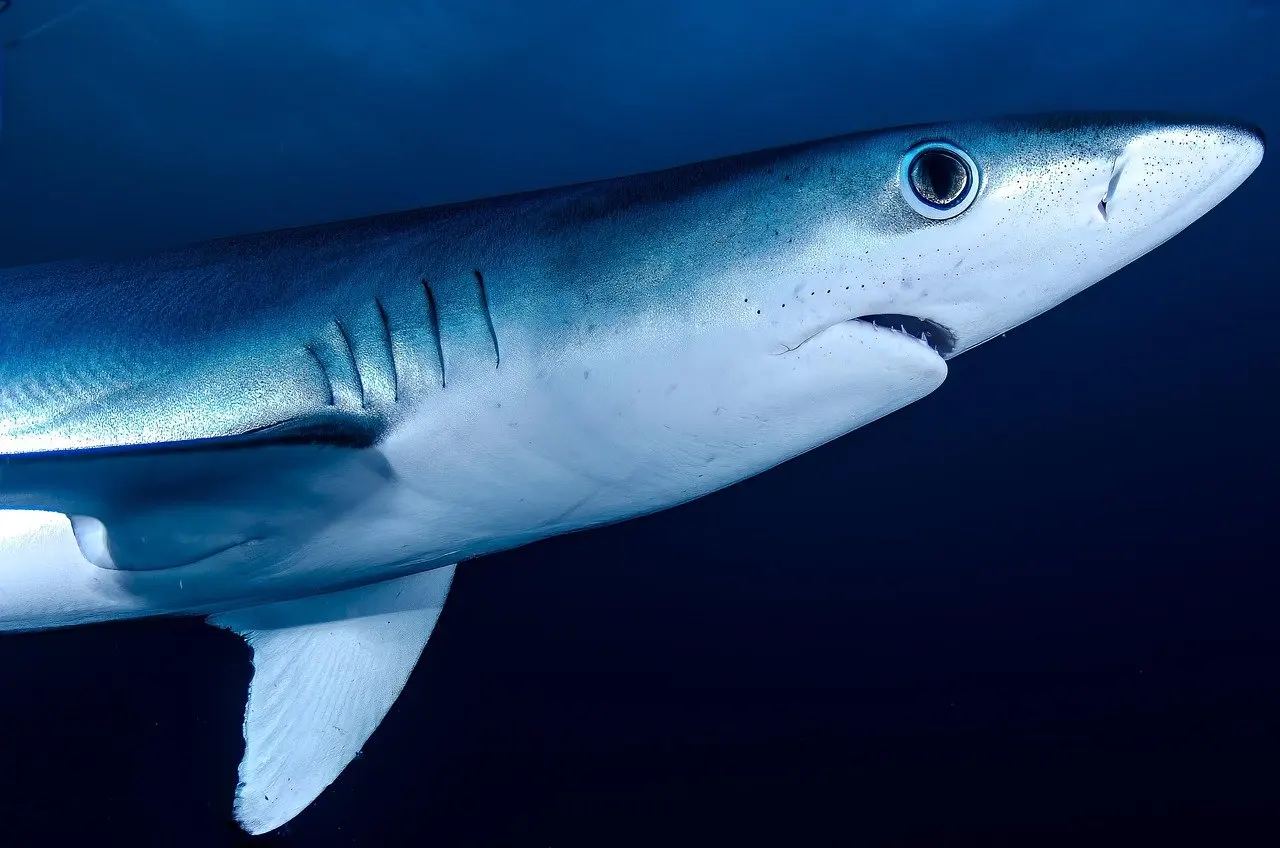
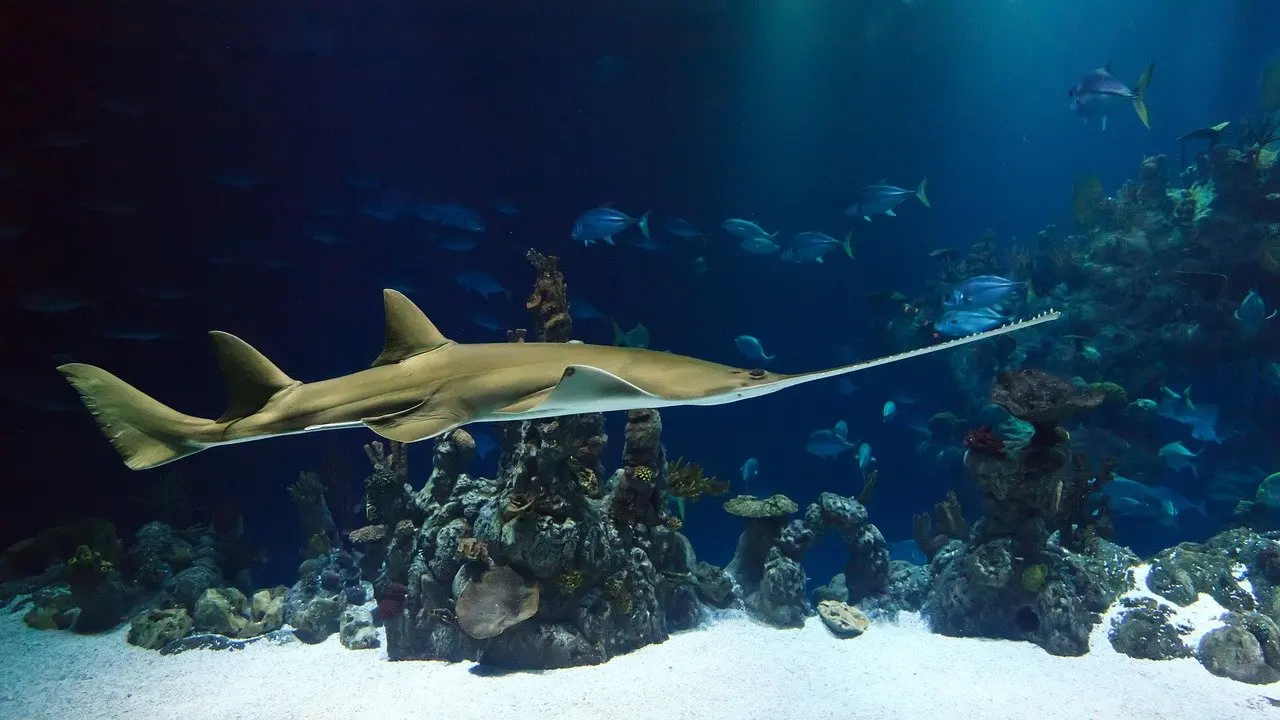
Sharks call for a wide-angle lens and a deliberate angle of approach. DAN advises shooting large animals such as whale sharks and barracuda facing the lens at a 45-degree angle, and says keeping the animal’s body at that angle to the lens minimises barrel distortion. The same logic applies to any shark: a body shot square-on stretches at the edges of a wide frame.
Position yourself, then let the animal come to the frame. Chasing a shark rarely improves the picture and works against the non-intrusive behaviour that Zebaco lists as part of good practice for photographers in these waters. This approach suits divers with settled buoyancy. Anyone still fighting their trim should work on that before taking a wide-angle rig toward big animals.
Strobe positioning for cleaner results
Strobes pulled in behind and close to the housing give the cleanest light on close subjects. DAN explains that because shooters work very close to the lens, strobes extended outward on arms cast shadows on the subject. The author’s starting point is to pull the strobes behind and close to the camera housing, adding a bit of an outward angle.
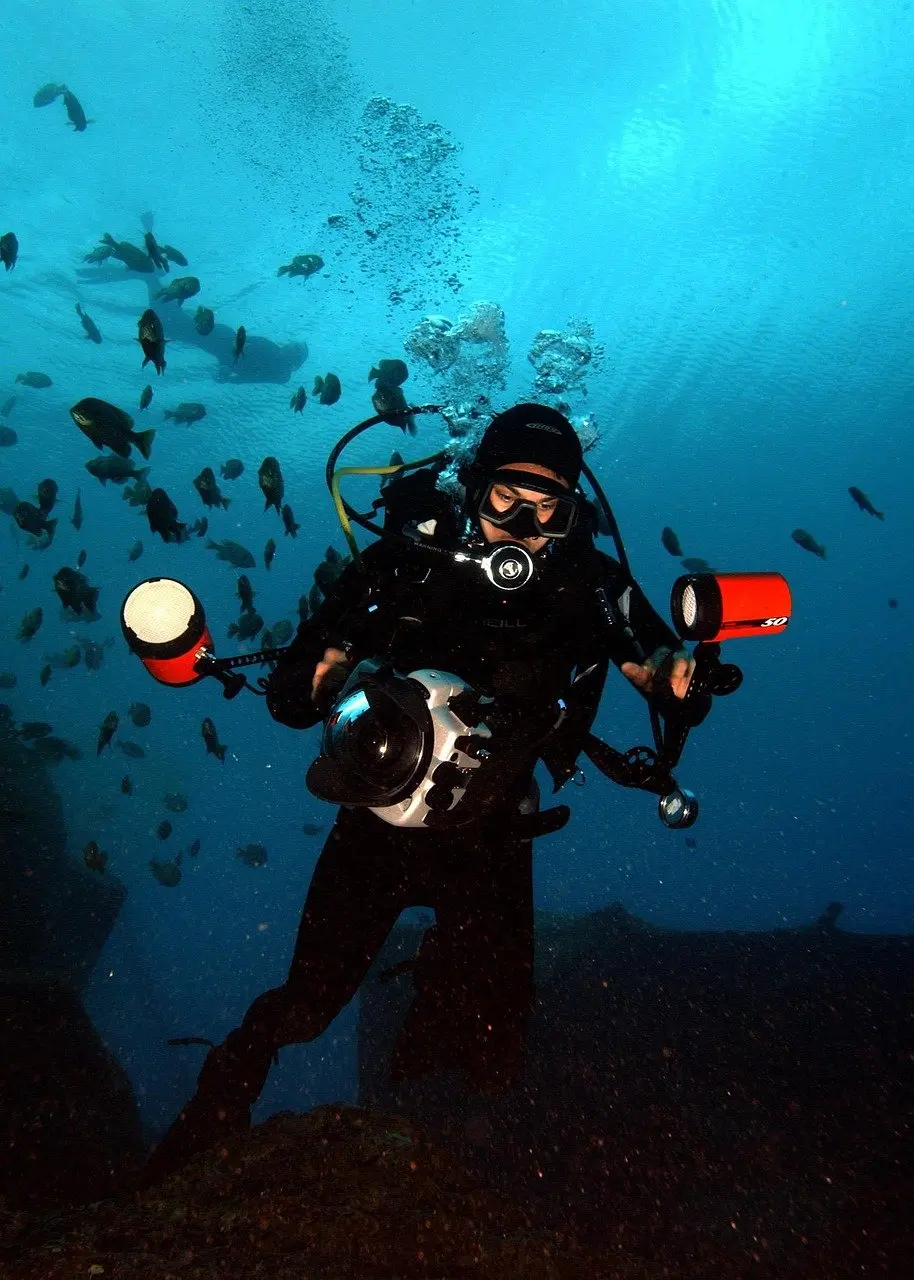
- Reduce power when shadows appear. DAN’s author dials back each strobe by one stop, which softens the shadow edge.
- Consider a snoot. A snoot narrows the beam and, according to DAN, reduces shadows and backscatter.
- Review after each frame. Check the histogram and display screen between shots instead of trusting the first exposure.
Wreck photography
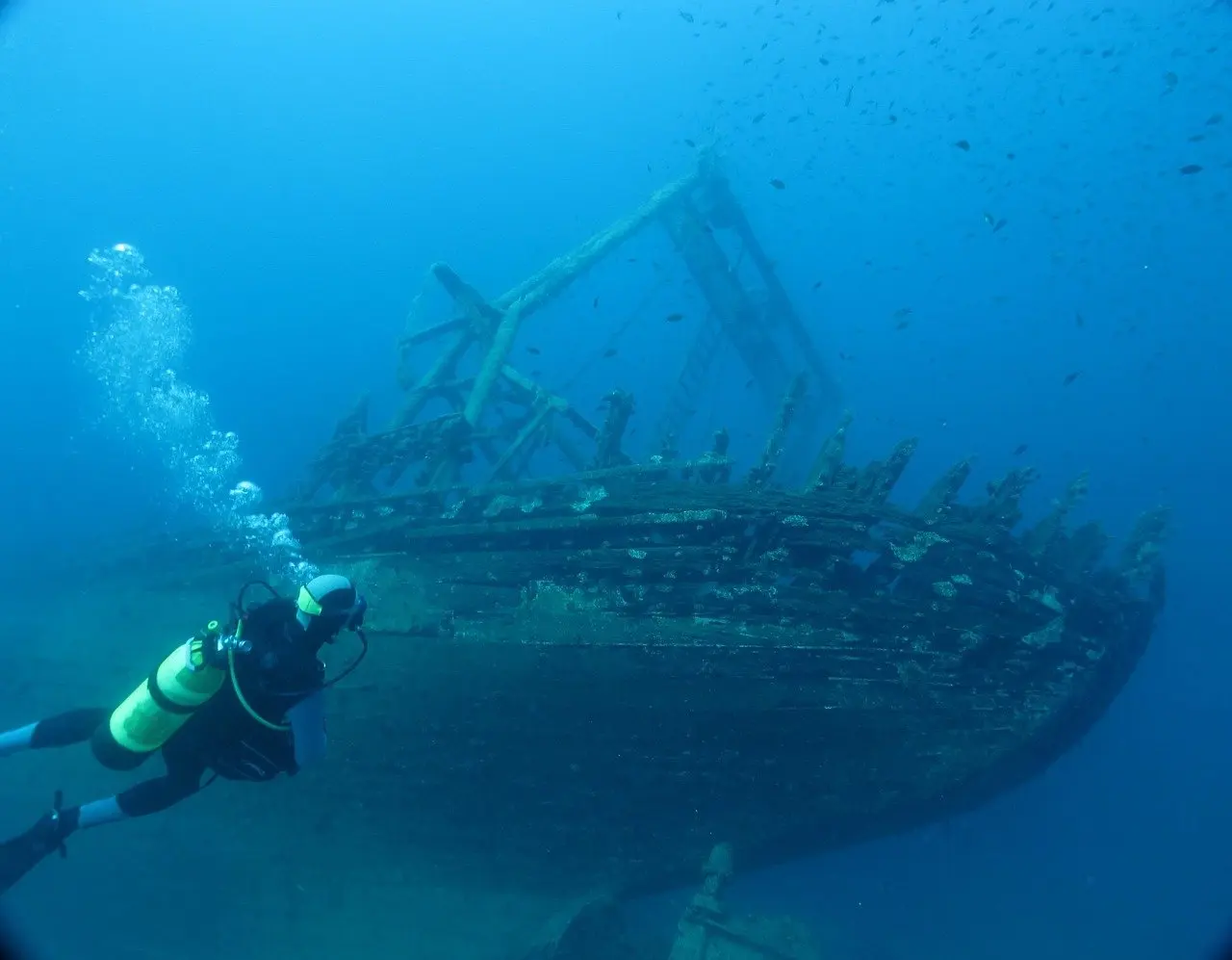
Wrecks are a wide-angle subject. Zebaco describes the Kinugawa Maru as perfectly suited for wide-angle photography that captures both grandeur and decay. A straighter wide-angle lens keeps the hull lines believable, while a fisheye exaggerates them.
Depth shapes the choice of wreck. Bluerides notes that Bonegi I and II sit in less than 30 metres (100 feet), while the USS Atlanta lies in over 100 metres (330 feet). For most photographers the shallower wrecks are the practical option, because a rig and strobes need attention and spare air that a very deep dive does not leave.
Reef etiquette and buoyancy for photographers
Protecting the reef while shooting comes down to buoyancy and a no-touch habit. Zebaco’s overview lists careful buoyancy control, non-intrusive behavior, and no-touch practice as the standard. A no-touch rule also means no bracing a hand on coral for a steadier macro shot.
On wrecks the same discipline protects the picture as well as the site. Bluerides advises maintaining excellent buoyancy control at all times to avoid stirring up silt, and says a strict no-touch policy is paramount, with no removal of artefacts (WWII wreck trail guidance). Silt in the water shows up as backscatter in front of the strobes, so good trim improves results directly.
Decision checklist before each dive
- Pick one subject. Choose macro, or wide-angle for sharks, reef and wrecks, rather than carrying a compromise rig.
- Choose the lens for the look. Accept strong distortion only if you want it; otherwise pick a longer wide-angle.
- Set strobes close. Start behind and near the housing with a slight outward angle.
- Plan your angle. Frame sharks at 45 degrees to the lens.
- Check buoyancy first. Trim neutral before raising the camera, then check the histogram between shots.
Frequently asked questions
Do I need special certification to photograph the wrecks?
Bluerides says Advanced Open Water certification is generally considered the minimum for the Solomon Islands wrecks, and the deepest ones are well beyond the shallow Bonegi sites.
How slowly can I handhold a wide-angle lens?
DAN gives the theoretical limit as a fraction of one over the lens focal length. With a 15mm fisheye lens, an image at 1/15 second is achievable, according to Alert Diver.
What water conditions should photographers expect on wreck dives?
Bluerides reports temperatures hovering around 28-30°C (82-86°F) year-round and visibility often exceeding 20-30 metres (65-100 feet), as noted on its wreck trail page. Clear water favours wide-angle framing of whole wrecks.
Which camera setup works best for macro diving?
A dedicated macro lens, with a conversion lens for very small subjects, and strobes held close to the housing. Pale subjects need less power than dark ones.