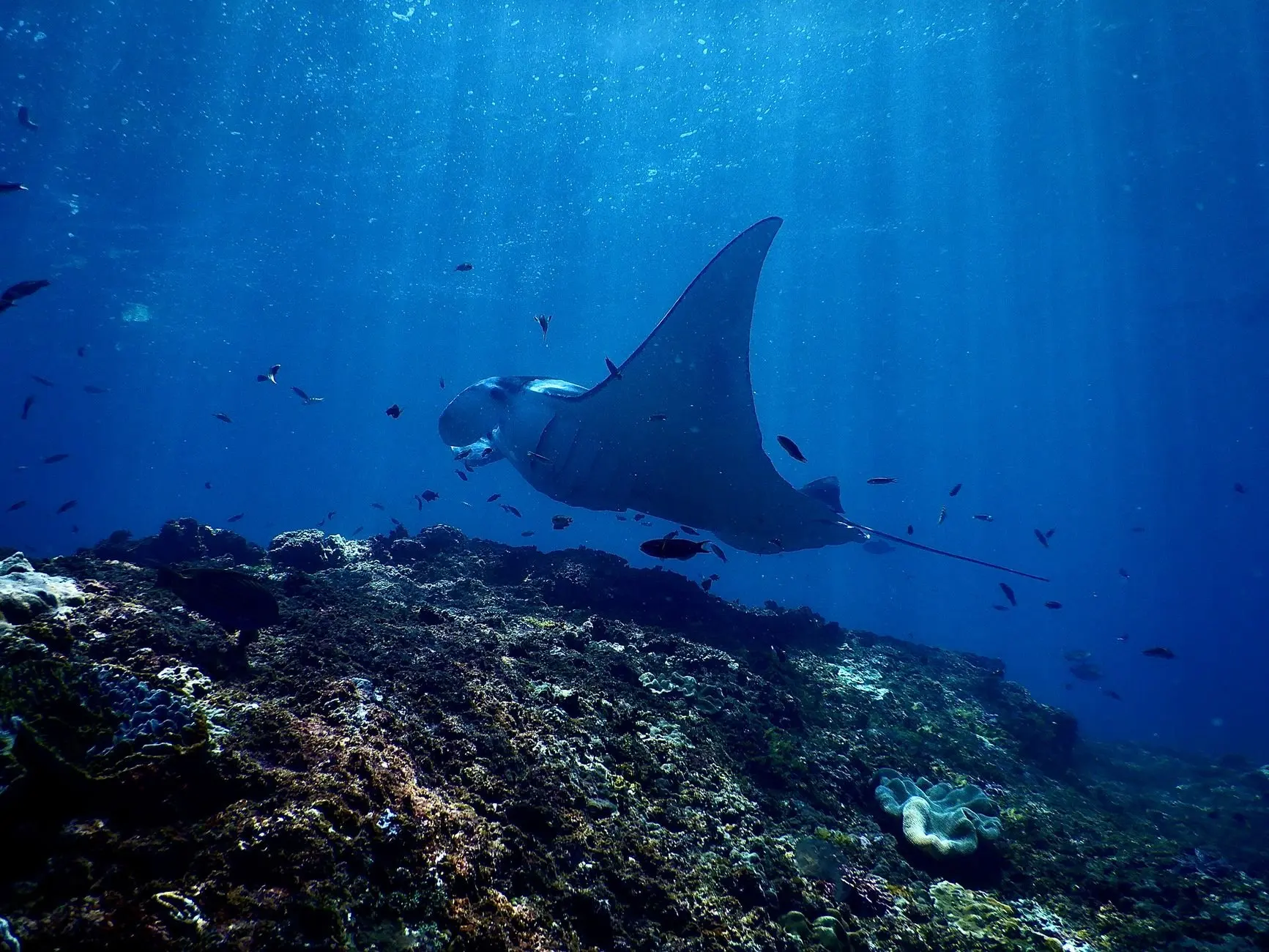
Planning a first dive trip and unsure which animals to chase? Solomon Islands marine life centres on reefs inside the Coral Triangle: mantas, hammerhead sharks, anemonefish, nudibranchs and wreck-dwelling fish schools, each tied to a habitat that shapes where to dive.
Start with the animal that matters most to the trip, then choose the site type that suits it. The guide to solomon islands marine biodiversity widens the picture, while this page links each species group to where it lives and what is known about its conservation standing.
Starting points by reader goal
Different divers arrive with different priorities, and the animals below call for different kinds of dives. The routes that follow sort the main marine life groups by what a diver wants from the trip, and each points to the section that develops it.
- Reef-first divers. Begin with the Coral Triangle section below and the coral reef habitat it describes. Healthy hard coral is the foundation that every other animal on this page depends on, so this route suits divers who want to understand the whole system before narrowing to a species.
- Big-animal divers. Go to the sections on rays and sharks. Mantas, devil rays and hammerheads are tied to particular sites and conditions, so this route rewards planning around location and current rather than hoping for a chance encounter.
- Macro and photography divers. Go to the small reef life section. Nudibranchs, pipefish, seahorses and anemonefish reward slow, close looking, and they are found on ordinary reef structure rather than at a single famous point.
- Wreck divers. Go to the wreck section. Sunken structures concentrate coral growth and fish schools in a way open reef does not, which makes them a sensible second focus on a mixed itinerary.
- Conservation-minded divers. Go to the section on status and reef health. It explains how the IUCN Red List categories work, what is happening to corals, and where protection has measurably helped.
Most trips combine two of these routes. A diver who picks a single animal and ignores the habitat around it usually ends up choosing the wrong site, so read the habitat notes even when the species is already decided.
The Coral Triangle setting
The Solomon Islands sit within the Coral Triangle, and the UN Capital Development Fund describes the country as hosting some of the most biologically rich reef systems in that region. That location is the main reason the country appears on lists of destinations for marine life rather than only for scenery.
What the location means for a diver
Reefs matter far beyond their footprint. The Diplomat notes that coral reefs support a quarter of all known marine species, so a diver on a healthy reef in this region is looking at a very concentrated slice of ocean life. The practical consequence is that variety is the norm: a single dive can combine coral, small fish, invertebrates and larger visitors.
Scale is also part of the draw. The same article describes a massive shoulder blade coral, Pavona clavus, at the Three Sisters site that is bigger than a blue whale. Reaching that kind of size takes a long time without disturbance, which is a reason to treat old coral colonies as something to look at from a distance and never touch.
Divers who want a full habitat account should read the dedicated page on solomon islands coral reefs. It is the better next step for anyone choosing between reef types, because this page deliberately stays at the level of species and status.
Where the protected and funded work is focused
Conservation finance gives a hint of where reef attention is concentrated. The UNCDF reef-positive finance initiative is focusing on up to two provinces among Central, Malaita, Isabel and Western. For a traveller, that is a useful signal that reef health in those provinces is a live policy priority, not a guarantee about any single dive site.
Rays: mantas, devil rays and stingrays
Rays are the most site-specific of the large animals, so location matters more here than for most reef life. Emperor Divers calls Devil’s Highway in the Florida Islands a prime spot to enjoy mantas, which makes it the clearest starting point for divers who put manta rays first.
Marovo Lagoon is named in the same source as a good place to find devil rays. A diver who wants both groups can treat the Florida Islands and Marovo Lagoon as two separate bases rather than expecting one site to cover everything, and should check with an operator which area fits the itinerary.
The full guide to manta rays solomon islands develops behaviour, encounter conditions and site choice. Divers who also want smaller, bottom-dwelling rays should read about stingrays solomon islands diving, which covers eagle rays alongside them.
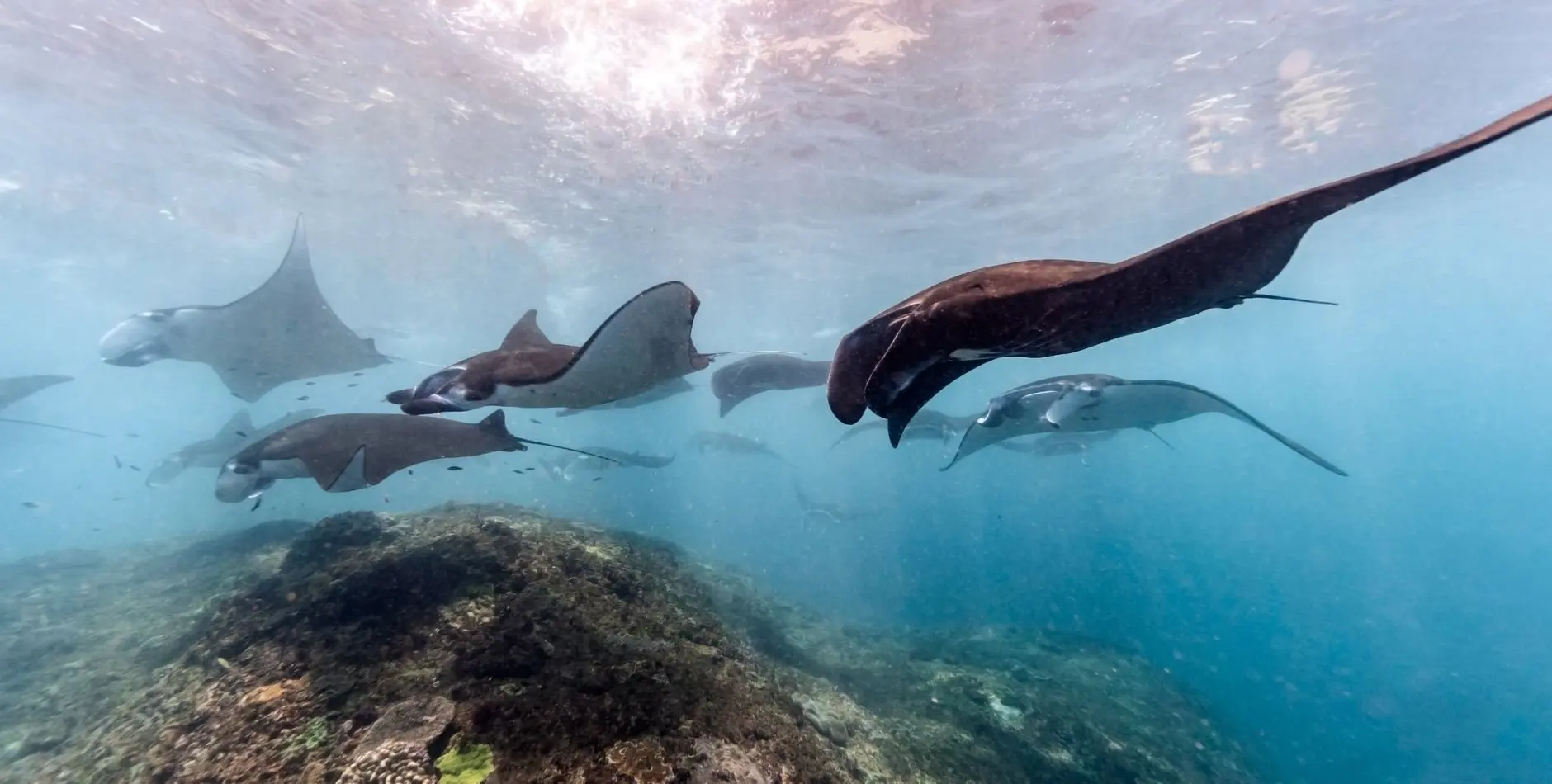
Because mantas are an iconic draw, the sensible move is to look up the species on the IUCN Red List before travelling. The section on conservation status below explains how to read what the listing says, and why a status belongs to a species rather than to a destination.
Sharks on the reef edge
Hammerhead sharks are the headline shark encounter, and the setting tells divers what to expect. Emperor Divers describes the chance to see them schooling at remote reefs, where strong currents draw nutrient-rich waters. That description carries a real planning message: this is a current-driven encounter at exposed reefs, not a relaxed shallow reef dive.
The dive suits divers who are comfortable holding position in moving water and who accept that remote locations take effort to reach. Divers who prefer calm, easy conditions are better served by the reef and small-life sections of this page and can treat the hammerhead school as a second goal. Anyone considering these sites should confirm with the operator whether the current on the day suits their experience.
The dedicated page on hammerhead sharks solomon islands covers that species in depth, and the wider overview of sharks in the solomon islands places hammerheads alongside the reef sharks a diver may meet on drop-offs.
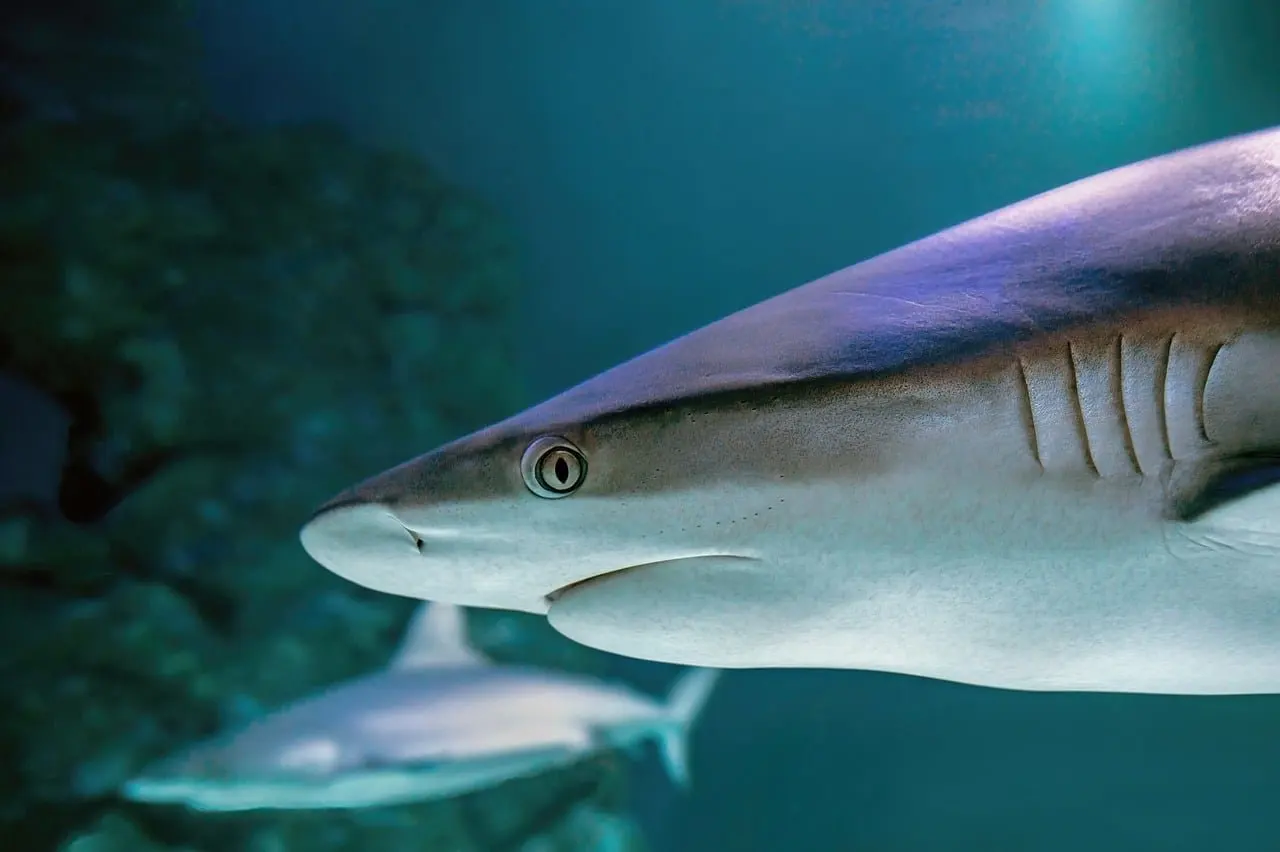
A useful habit with sharks is to separate the encounter from the status. Seeing a shark regularly at one site says nothing about how the species is doing across its range, so the Red List entry for the exact species is the right place to check.
Choosing by animal and habitat
The table below compares the main animals divers look for, using the habitats and locations the supplied destination guidance names. It is meant for sorting a wish list into site types before any booking decision.
| Animal | Where and how it is found | Planning use |
|---|---|---|
| Manta ray | Devil’s Highway in the Florida Islands is a prime spot; also seen at cleaning stations | Choose the Florida Islands for mantas and ask operators about cleaning station dives |
| Devil ray | Marovo Lagoon is a good spot to find them | Add Marovo Lagoon if rays are a priority beyond mantas |
| Hammerhead shark | Schooling at remote reefs where strong currents draw nutrient-rich water | Suits divers comfortable in current; plan for travel to remote reefs |
| Anemonefish | Maravagi Bay and Mirror Pond, Russell Islands | Suits relaxed, close-up reef dives |
| Nudibranch | Hidden among corals and sponges | Allow time to search slowly across reef structure |
| Ghost pipefish | Camouflaged in coral, merging with feather stars and crinoids | Look closely at feather stars and crinoids rather than open water |
| Wreck fish schools | Corals and schools of fish colonise WWII wrecks | Pair wrecks with reef dives for variety in a single itinerary |
These entries come from the species guidance in Emperor Divers’ list of natural highlights in the Solomon Islands.
The table shows a pattern that holds across the whole country: large animals are tied to named sites and currents, while small animals depend on the quality of the reef structure. That split is the quickest way to decide how much of a trip should be about travel to specific places and how much about slow diving on an ordinary reef.
Small reef life
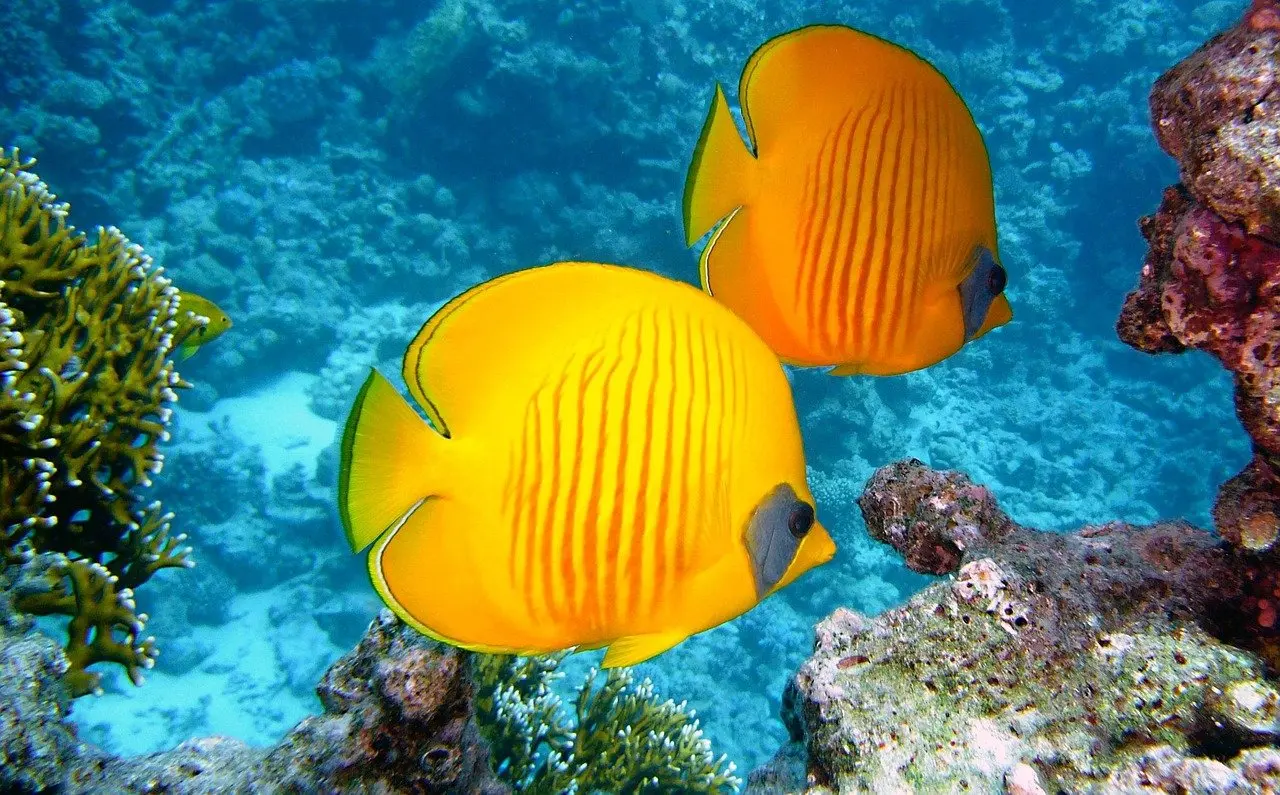
Small animals are what keep a reef dive interesting when nothing large appears. They are also where a good identification habit pays off most.
Anemonefish and clownfish
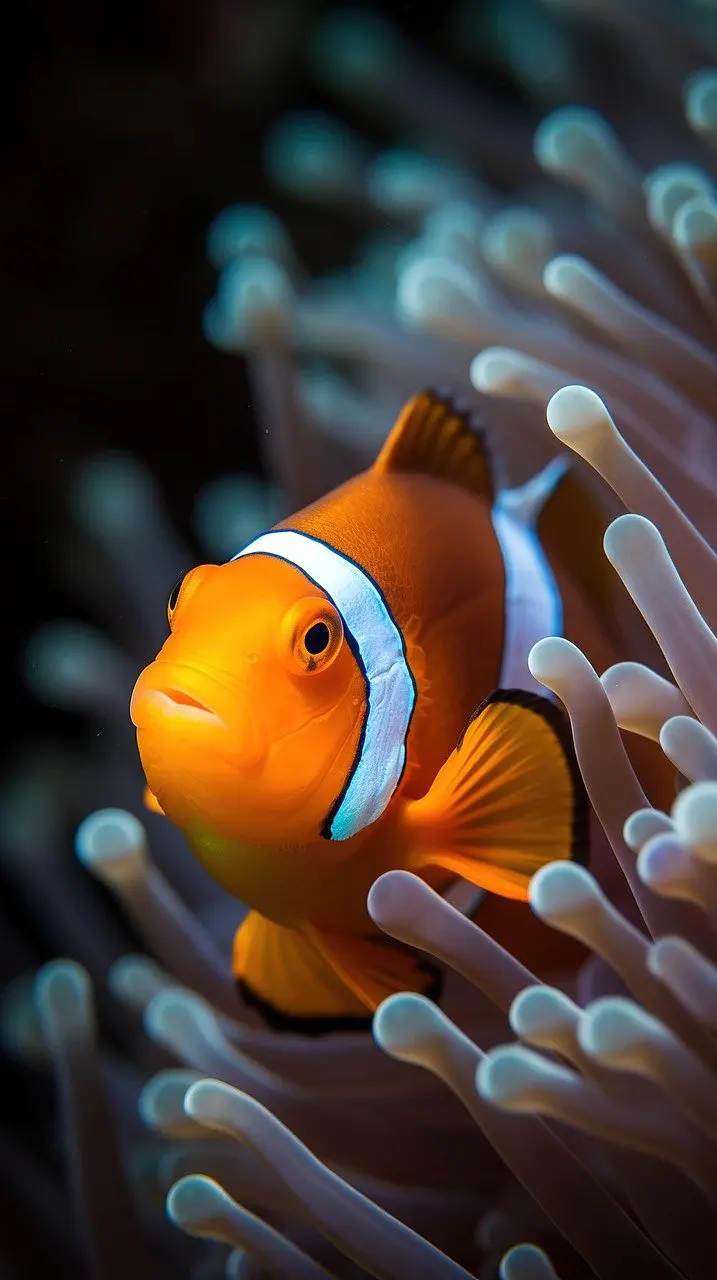
Clownfish are the species most visitors recognise first, and the Russell Islands are a dependable place to meet them. Emperor Divers says Maravagi Bay is known for having a good variety of anemonefish, and also lists Mirror Pond in the Russell Islands. Divers who want an easy, confidence-building dive with colourful subjects should put these sites near the start of a trip.
Nudibranchs, pipefish and other camouflage experts
Nudibranchs are described as tiny, vibrantly coloured treasures hidden among corals and sponges. Ghost pipefish are even harder: they are camouflaged in the coral and merge with feather stars and crinoids. The lesson for a diver is to slow down and scan the surfaces of the reef rather than swimming past them in open water.
Naming what is found is half of the pleasure. The solomon islands marine life identification guide helps sort the look-alikes, and divers who want a specific target can read where to find pygmy seahorses in the solomon islands.
Photographing and night diving
Macro subjects reward preparation, and the page on underwater photography solomon islands covers the practical side. Divers who want a different cast of animals after dark can read about night diving solomon islands, which describes what changes once the light goes.
Wrecks as artificial reef
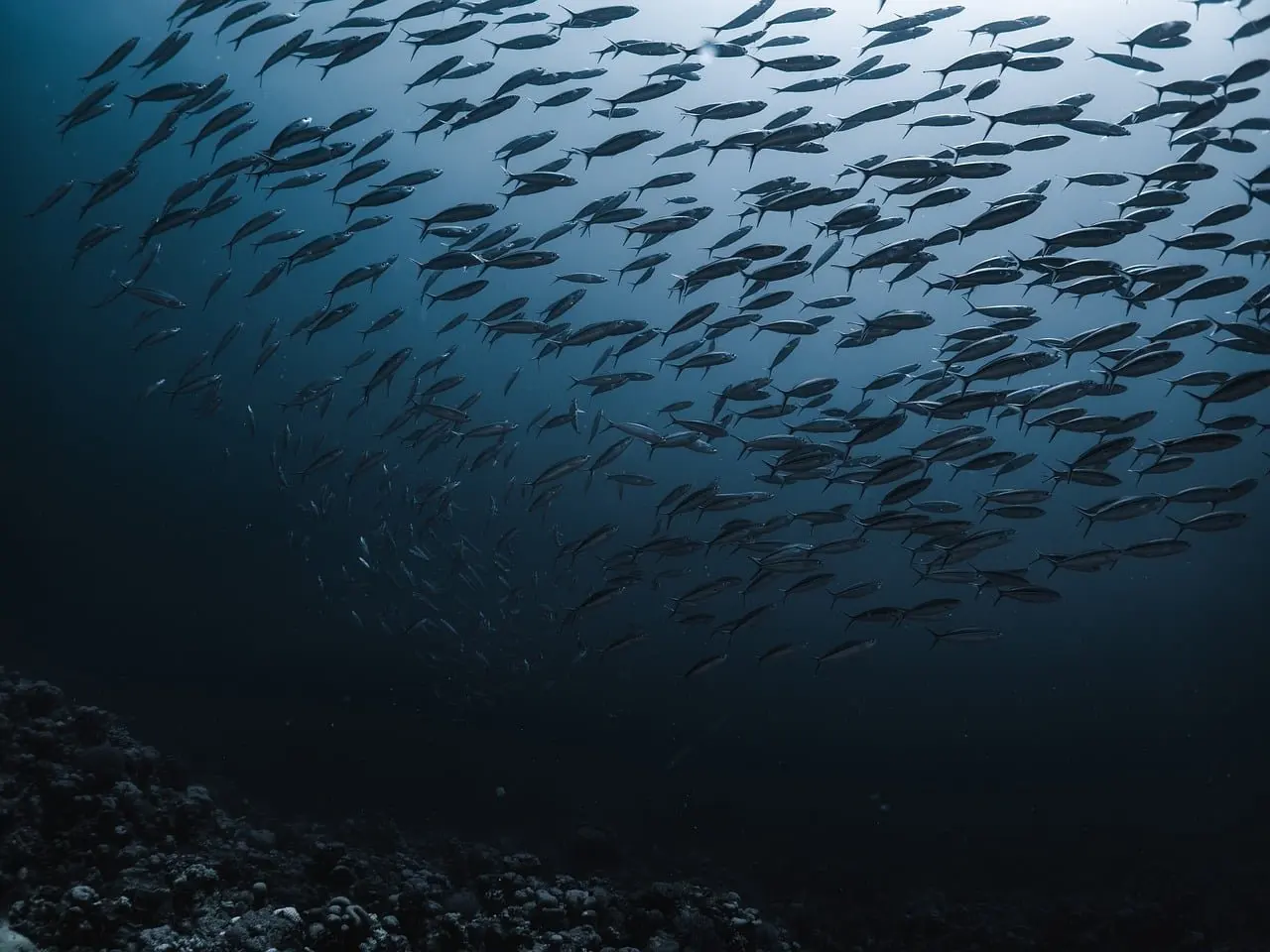
Wrecks reward divers who like structure, shade and schooling fish. Emperor Divers notes that corals relish the wrecks while schools of fish weave among the structures, which captures the reason sunken ships are treated as marine life sites rather than only as history.
For an itinerary, the judgement is straightforward. A wreck suits divers who want dense fish activity in a compact area, and a reef suits those who want variety of habitat. Combining both usually gives the fullest picture of marine life in a single trip, and the page on schooling fish solomon islands diving covers the pelagic and school-forming species a wreck dive can attract.
Conservation status and reef health
The unique angle of this page is the link between the species a diver can meet, where they live and how they are classed. The IUCN Red List is the standard reference for the last part, so understanding how it works is worth a few minutes before a trip.
Reading the IUCN Red List
The International Union for Conservation of Nature established the Red List in 1964. According to Animal Unseen’s explainer, IUCN reported 175,909 assessed species and 49,505 threatened species in July 2026. Only Vulnerable, Endangered and Critically Endangered are officially called threatened, and a taxon qualifies for a threatened category if it meets the threshold for any one of five criteria.
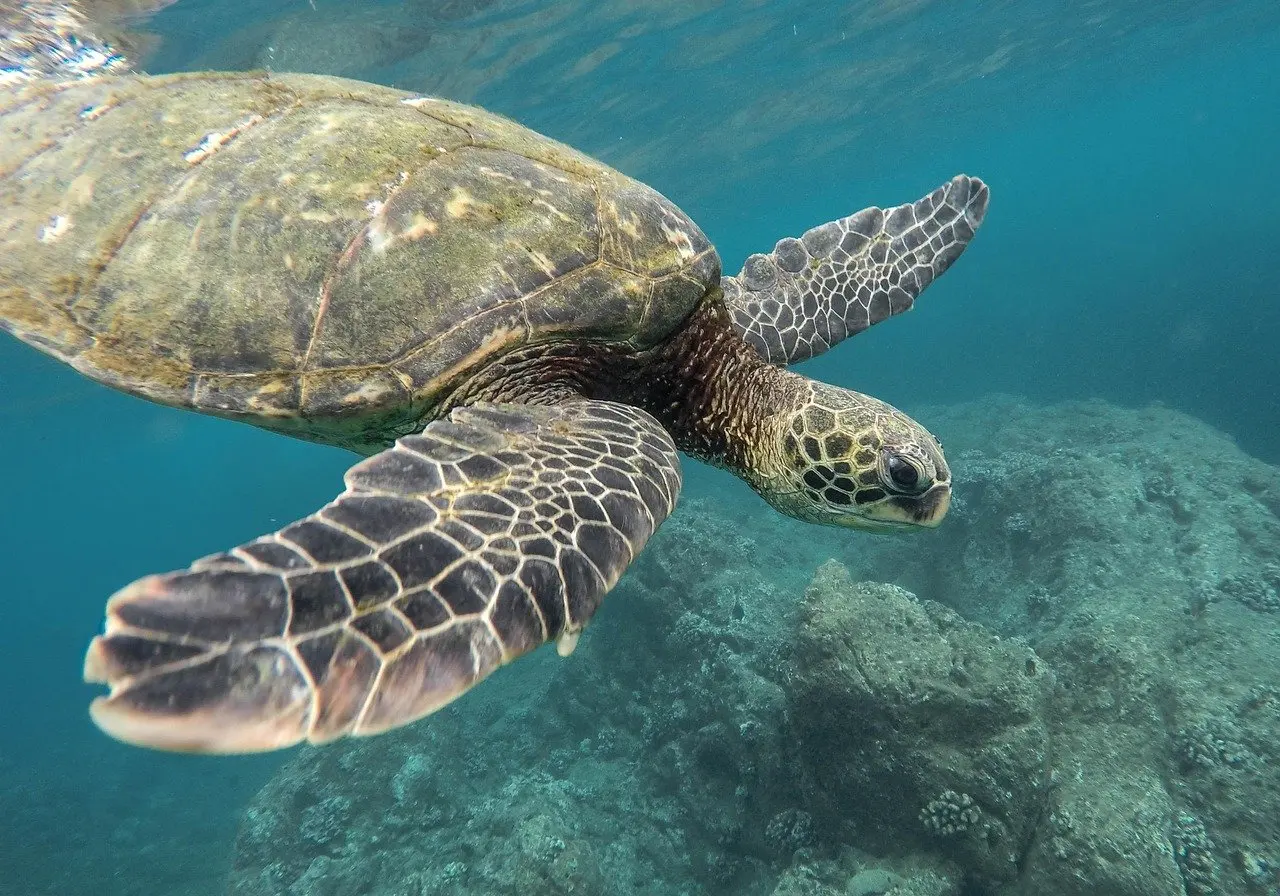
Two practical points follow. First, the word threatened has a strict meaning, so a species described informally as declining is not necessarily classed as threatened. Second, status belongs to the species, so the right move is to search the Red List for each animal by its scientific name, whether it is a manta ray, a reef shark or a turtle, instead of assuming that a dive site’s reputation reflects the animal’s global standing.
Coral bleaching and local pressures
Every animal on this page depends on the coral. The Diplomat reports that 44 percent of reef-building coral species now face extinction, and that the fourth global mass bleaching event has already affected more than 70 percent of the planet’s corals. Those are global figures, and they frame why reef health is a travel question as well as a science one.
Locally, the UNCDF says overfishing, coastal development and land-based pollution continue to threaten Solomon Islands reefs. Divers can respond by choosing operators who explain their reef practices and by avoiding contact with coral. The page on solomon islands coral reef health takes the bleaching question further.
Marine protected areas
Protection is the main tool for reef recovery, and its coverage is thin. According to The Diplomat, only 8 percent of the ocean currently has any protection, though Solomon Islands communities have already committed to designating a large swath of their seas for protection. A diver cannot judge a site’s protection from its reputation, so asking an operator what protection applies where they dive is a reasonable question.
Building a trip around the animals
The simplest plan is to rank the animals by priority, then match each to the habitat type in the table above. Sites tied to current and remote reefs, such as the hammerhead locations, belong early in a trip while energy and conditions are fresh, and relaxed small-life dives can fill the rest.
Timing and place both shape what appears. The guide to solomon islands marine life by month helps with timing, and the page on solomon islands dive sites marine life sorts what lives where. Divers curious about the habitats behind the reef edge can also read about solomon islands mangroves marine life, which describes the shallow nursery habitats.
A final judgement applies to every route. Sightings are never guaranteed, so a plan that gives each dive more than one possible reward, such as a reef with macro life and a chance of larger visitors, will feel successful more often than one built around a single animal.
Frequently asked questions
| Question | Answer |
|---|---|
| Why is the Coral Triangle so rich in biodiversity? | The Solomon Islands sit within the Coral Triangle, which the UNCDF describes as hosting some of the most biologically rich reef systems. Coral reefs support a quarter of all known marine species, so a region dense with healthy reef holds a large share of ocean life. |
| How do wrecks become habitat for marine life? | Corals colonise the sunken structures, and schools of fish weave among them. Over time a wreck becomes a reef-like environment that gives fish shelter and gives coral a surface to grow on. |
| What is a manta cleaning station? | It is a spot where mantas are seen while smaller fish eat parasites from them. Divers who find one have a better chance of watching mantas stay in an area instead of passing through. |
| Can a marine protected area help a bleached reef recover? | It can. The Diplomat reports that a fully protected marine area enabled a Kiribati reef to recover to its pre-bleaching cover after the 2015-2016 event. That is a single documented case, so it shows what is possible rather than what every reef will do. |