| Reader situation | Sharks to expect | What is reported | Planning use |
|---|---|---|---|
| First shark dive on a reef | Grey reef, whitetip and blacktip reef sharks | Listed at all depths at Shark Point | Any comfortable depth on the site can produce a reef shark encounter. |
| Chasing bigger animals | Hammerheads and silvertip sharks | Reported deeper down at Shark Point | Treat them as a possible bonus on deeper profiles, not a guarantee. |
| Hoping for something unusual | Bull shark | 3 sightings per year in a user-generated list | Low odds, so never build a trip around it. |
| Booking a shark-focused trip | All of the above | Operator suggests April to December | Match travel dates to that window. |
Figures come from the Shark Point site listing and the Dive Worldwide Solomon Islands shark diving page.
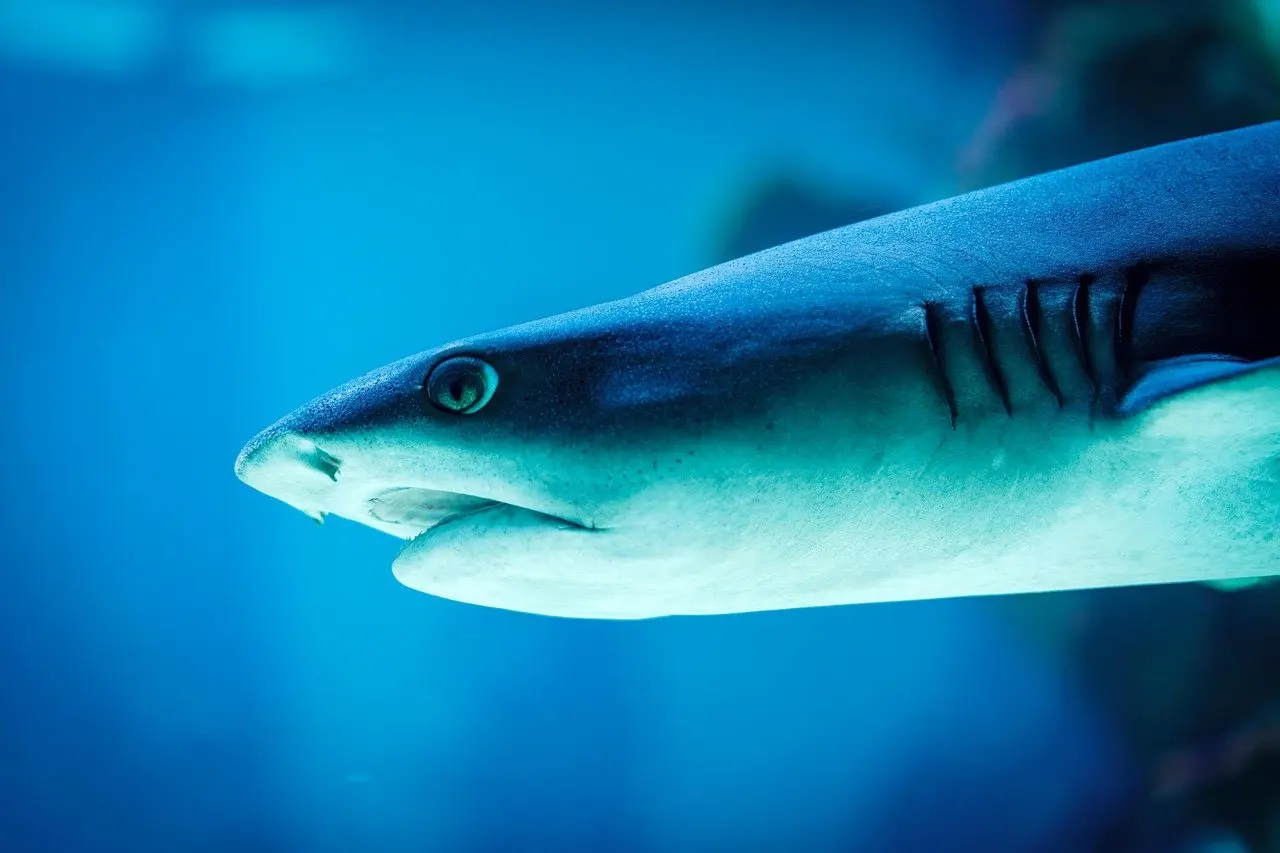
Divers can realistically meet grey reef, whitetip and blacktip reef sharks on reef dives, with hammerheads and silvertips reported deeper down. Among sharks in the Solomon Islands, Shark Point, a Dive Munda signature site, is the best documented meeting place.
This checklist sits inside the wider guide to solomon islands marine life. It works by situation: the sharks a first-timer will meet on the reef, the ones that need deeper water, the odd cases, and how to plan around them.
Reef sharks on a first shark dive
Three reef sharks form the core of any realistic Solomon Islands shark list. According to the Shark Point listing, grey reef, blacktip and whitetip reef sharks are all seen at all depths. That is useful for planning, because a diver who stays shallower for air or comfort is not shut out of the main attraction.
Grey reef shark
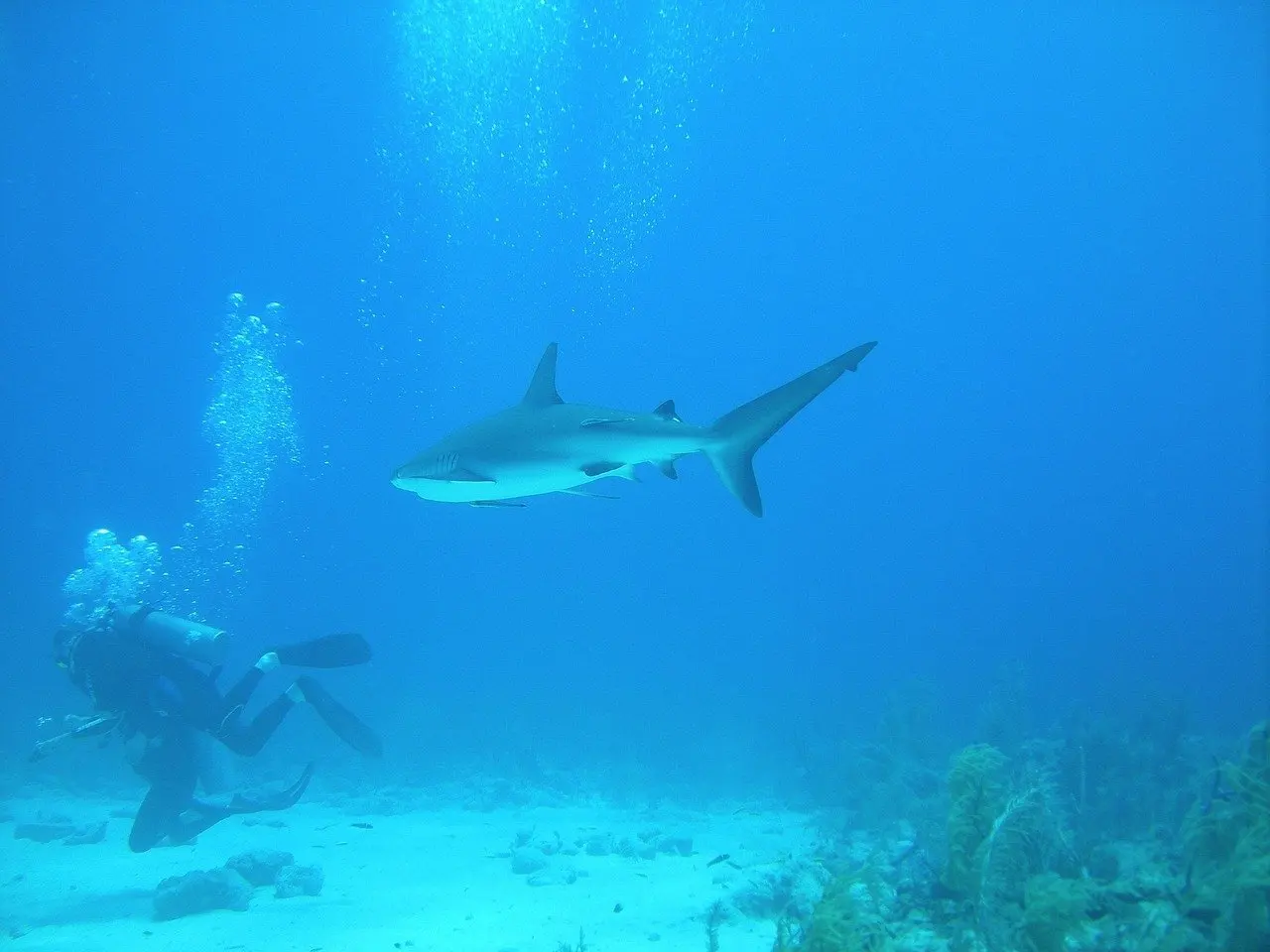
The grey reef shark is the first species named for Shark Point and is the one most divers should expect to see patrolling the reef edge. The common name is the identification cue: a plain grey body, without the bold fin tips that mark the whitetip and blacktip. Shark Point is a 20-minute boat ride from the Dive Munda base, so the grey reef shark is an easy first target for anyone staying near Munda.
It suits divers who want a dependable encounter rather than a rare one. The limit is that a plain grey shark is easy to confuse with other grey-bodied species at a distance. Look for fin markings before logging a sighting.
Whitetip reef shark
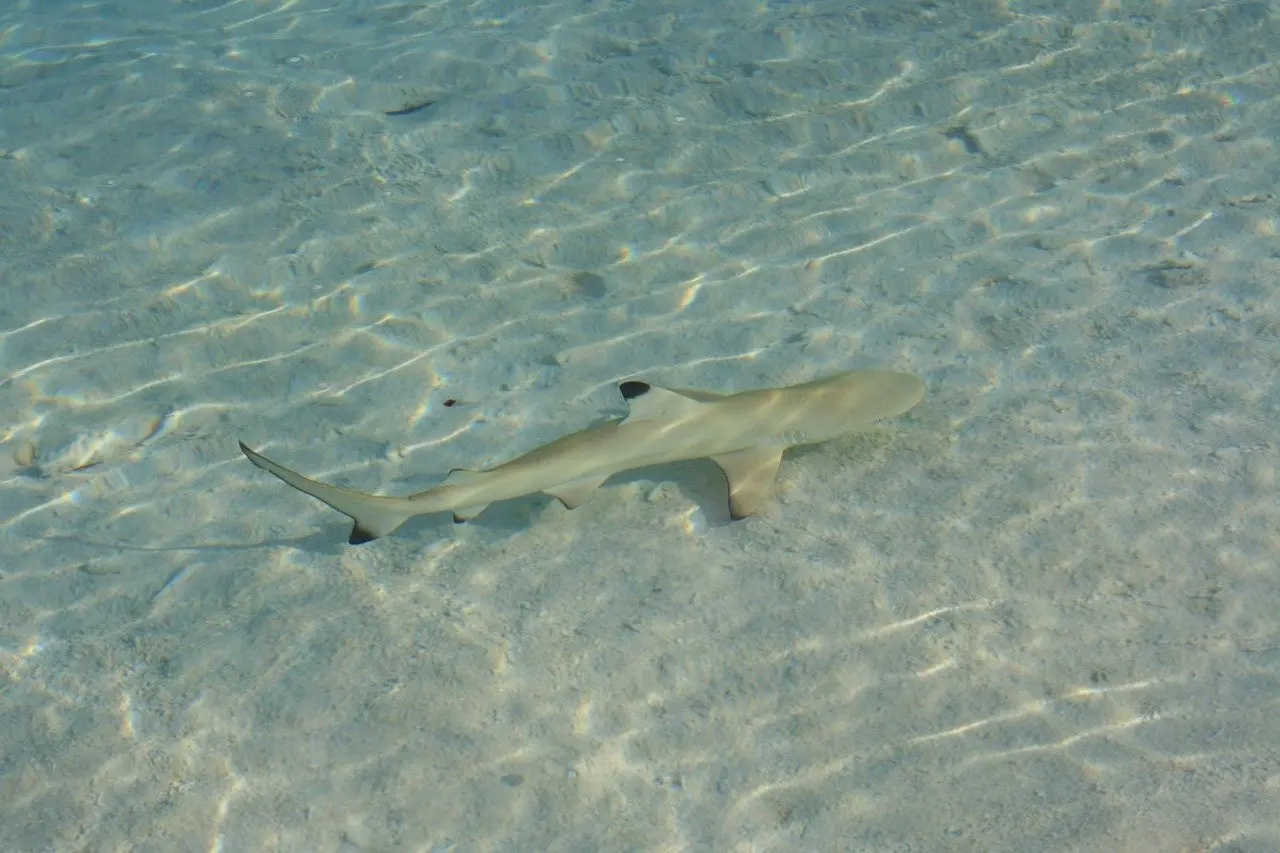
The whitetip reef shark takes its name from the pale tips on its fins, which makes it one of the easier sharks to separate from the grey reef shark. A user-generated sightings list for Shark Point records 31 whitetip sightings per year, with a peak of 6 in June. That is the larger of the two reef-shark counts given there, ahead of the blacktip figure of 9.
These numbers come from user submissions, so read them as a rough pattern. They suggest whitetips are an excellent bet at Shark Point and that June is a strong month. They do not promise a sighting on any particular dive.
Blacktip reef shark
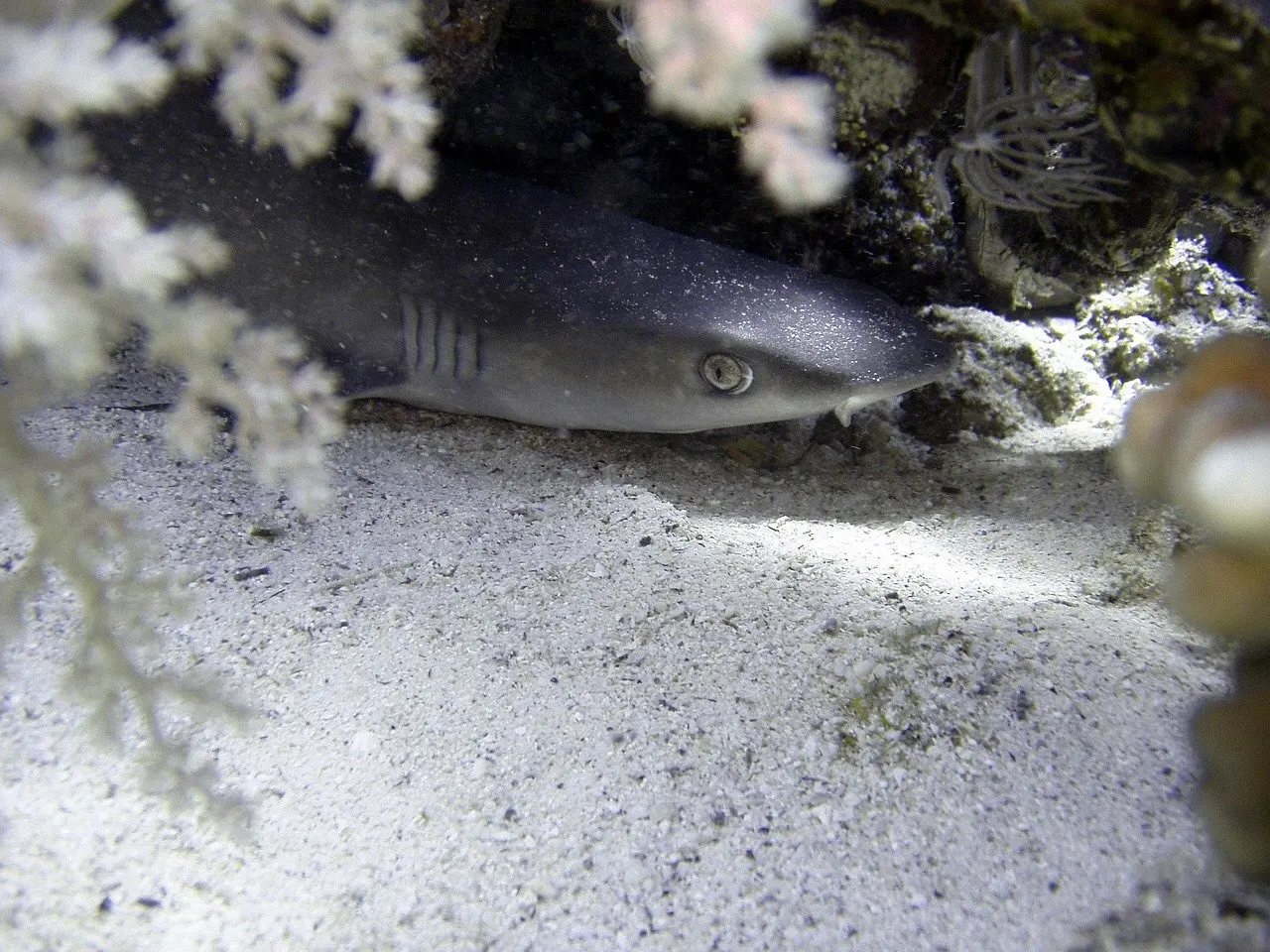
The blacktip reef shark carries dark tips on its fins, and those markings are the quickest way to name it. The same Shark Point list gives 9 blacktip sightings per year, with a peak of 5 in June. Blacktips are therefore present at the site, though reported less often than whitetips.
The species is the one most associated with shallow, sandy water, which fits a diver or snorkeller who stays near the surface. Shallow lagoon habitats are covered in the guide to solomon islands mangroves marine life.
Deeper water: hammerheads, silvertips and bull sharks
Bigger sharks are reported lower on the same walls. The Shark Point listing mentions the chance of meeting hammerheads and large silvertip sharks deeper down. The site can be dived at any depth from 10 m to 60 m, and the reef drops off more than 600 m, so open blue water lies close beside the wall.
Scalloped hammerhead shark
Hammerheads are reported at Shark Point, and the scalloped hammerhead is the species to know for this region. Its cue is unmistakable: a broad, flattened head that spreads sideways. Because the listing frames hammerheads as a chance rather than a certainty, this entry is the rarer one on the checklist. It suits divers who are comfortable working at depth and who accept that a dive may end without one.
Divers who want the scalloped hammerhead specifically can read the dedicated guide to hammerhead sharks solomon islands.
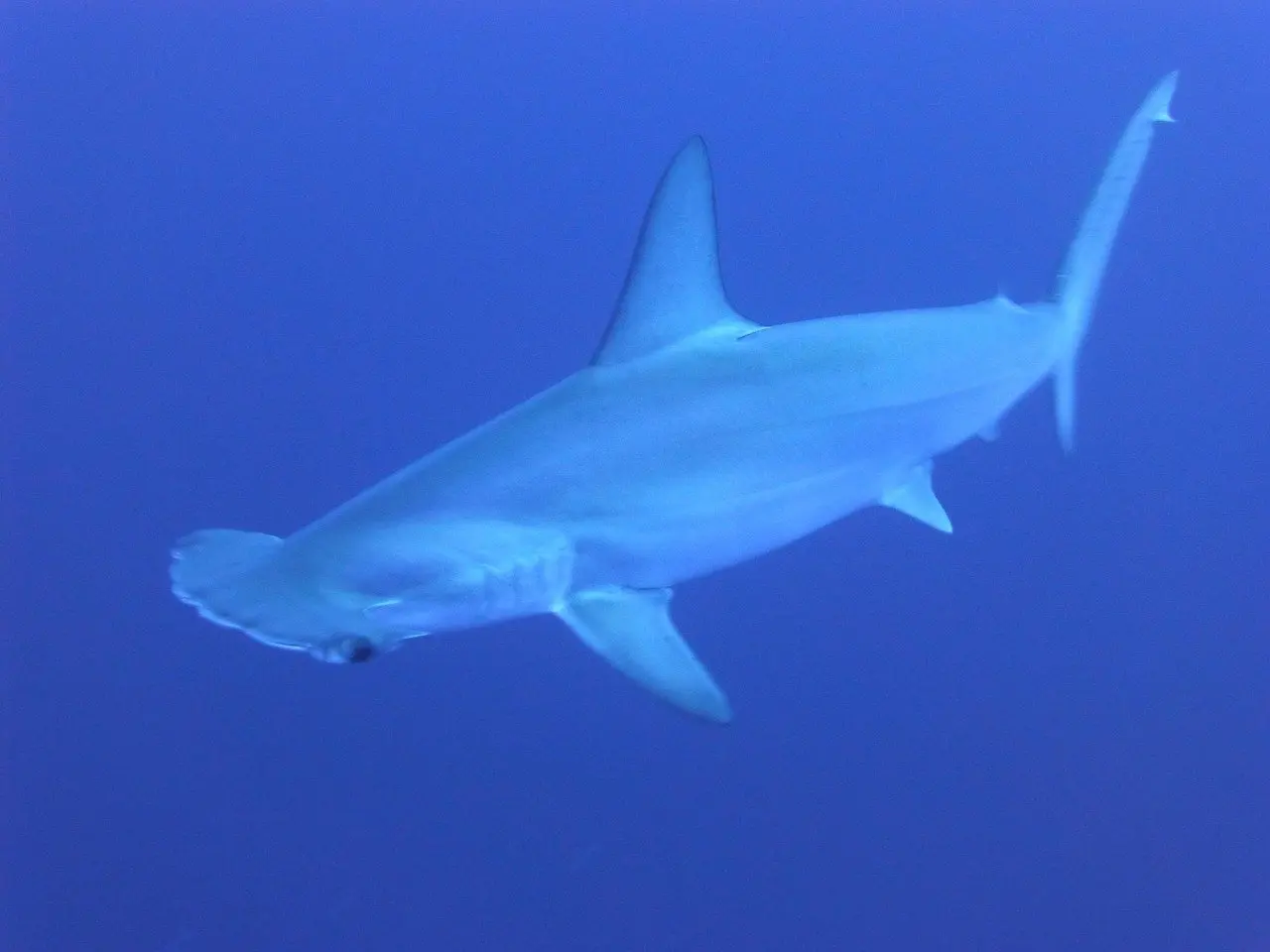
Silvertip and bull sharks
The Shark Point listing describes the silvertips as large and places them deeper than the reef sharks. They suit experienced divers more than beginners, mainly because of the depth where they are reported, and they are not one of the four headline species of this checklist.
The bull shark appears in the same user-generated list with just 3 sightings per year. That makes it the long shot on this page. If a bull shark appears, it is a bonus rather than something to plan around.
Kavachi: sharks inside an active volcano
The most unusual shark habitat in the country is not a dive site. National Geographic reports sharks living inside Kavachi, one of the most active underwater volcanoes on Earth, about 20 miles off the coast of the Solomon Islands. Researchers there saw sharks darting in and out of the volcanic plume between eruptions.
Treat Kavachi as a fact about where sharks live rather than a place to visit. It shows how widely sharks are spread through Solomon Islands waters, but it is no use as a diving plan.
Planning a shark dive
Depth and timing
Choose depth by target. Reef sharks are reported at all depths at Shark Point, so a diver content with grey reef, whitetip and blacktip sharks can stay within a comfortable profile. Hammerheads and silvertips are reported deeper, so they call for the deeper end of the 10 m to 60 m range and suit divers who already dive there with confidence.
For timing, Dive Worldwide suggests April to December for its Solomon Islands shark-focused trips. The user-generated Shark Point list shows June as the peak month for both whitetip and blacktip sightings, which falls inside that window. Visit planners can therefore aim for the middle of the season rather than its edges.
Behaviour and expectations
A calm approach and a respectful gap work better than chasing a shark for a closer look. A neutral, slow-moving diver is in a better position to watch reef sharks pass by than one who swims at them. Conservation status differs between species, so check each one’s current IUCN Red List listing before judging how rare a sighting is.
Frequently asked questions
| Question | Answer |
|---|---|
| Which sharks can divers realistically see in the Solomon Islands? | Grey reef, whitetip and blacktip reef sharks are the realistic core. Hammerheads and large silvertips are reported deeper, and bull sharks are an occasional sighting. |
| Where are sharks most often seen? | Shark Point, a 20-minute boat ride from the Dive Munda base, has the clearest species record. Kavachi volcano, about 20 miles off the coast, shows that sharks also live in far less accessible waters. |
| When is the best time for sharks? | An operator suggests April to December for shark-focused trips. User-generated Shark Point data shows whitetip and blacktip sightings peaking in June. |
| Are bull sharks likely on a dive? | No. A user-generated Shark Point list shows only 3 bull shark sightings per year, so they are a possible extra. |