| Situation | Stop | Planning use |
|---|---|---|
| Short stay in Honiara | Guadalcanal American Memorial | Outdoor hilltop site above the city with no official visiting hours. Bring sun protection and go with a group or guide where possible. |
| Short stay in Honiara | Honiara Central Market | An everyday-life stop that balances a day of war history. Pair it with the memorial rather than making a separate trip. |
| Battlefield focus | Bloody Ridge | Arrange a guide and settle landowner permission before you go. |
| Battlefield focus | Wartime relics around the island | Treat each relic as private land until permission is confirmed, and visit on a guided or group tour. |
| Beyond Honiara | Interior rivers and waterfalls | Police presence is extremely limited or absent outside the capital, so a local guide is the practical choice. |
| Diver on a land day | Memorial walls and overlook | Use the walls to connect the campaign to the wrecks in Iron Bottom Sound before or after diving. |
The advice in this table draws on the OSAC crime and safety report for Honiara and a visitor guide to the Guadalcanal American Memorial.
This Guadalcanal travel guide centres a land visit on the memorial and battlefield sites, ideally with a guide and landowner permission. Treat Honiara as a high-crime city and plan accordingly.
Getting to the island comes first, and the guide on how to get to solomon islands covers that. Once you are on Guadalcanal, the situations below show how to spend your land days.
A short stay in Honiara
With limited time, Honiara things to do should centre on one memorial, one everyday-life stop and a realistic view of safety. The capital is where the Guadalcanal story is easiest to read.
Guadalcanal American Memorial
The Guadalcanal American Memorial overlooks Honiara, the capital of the Solomon Islands, and was installed by the United States. According to a visitor guide to the memorial, it commemorates the battles fought on Guadalcanal from August 1942 to February 1943. That span is the Battle of Guadalcanal campaign, the reason so many ships and aircraft ended up in local waters.
The memorial has four walls. Each describes a specific battle and points towards the place where it happened. That makes it the best first stop for anyone who wants the campaign explained before visiting individual sites, because the layout tells you where to look rather than leaving you to guess.
The overlook also lets visitors see the spots where the fighting took place from above the city, which adds to the heavy, thought-provoking atmosphere the guide describes. Allow enough time to read the signs. The site is entirely outdoors, so sun protection matters more the longer you stay.
One caution applies. The US Department of State assessed Honiara as a high-threat location for crime in a report published on 11 August 2025. That report says petty theft is most prevalent near the World War II memorials that dot the landscape. Leave valuables at your accommodation and visit with a group or guide rather than alone.
Honiara Central Market
A produce market gives a counterweight to a morning of war history. It suits visitors who want to see how the capital works day to day, and it costs little time. Keep the visit short and keep belongings close, given the crime rating for the city.

A battlefield-focused visit
Battlefield sites reward preparation more than spontaneity. The main variables are who takes you, whether the landowner agrees, and how you travel.
Bloody Ridge
For a Bloody Ridge Guadalcanal visit, arrange a guide before you go. The OSAC report advises avoiding travel alone to World War II sites and using guided or group tours instead. It also says to confirm that you have the proper paperwork and permissions to access the specific site before travelling.
So a guide is strongly advisable rather than a formal requirement, and the permission question is the real gate. A local guide can usually clarify who holds customary rights to the ground and whether a fee applies. Settle that in advance so the day is not interrupted at the foot of the hill.
Choose a guided day if you are travelling solo, new to the island or short on time. Consider a small group if you want to share costs and have company on the walk.
Wartime relics around the island
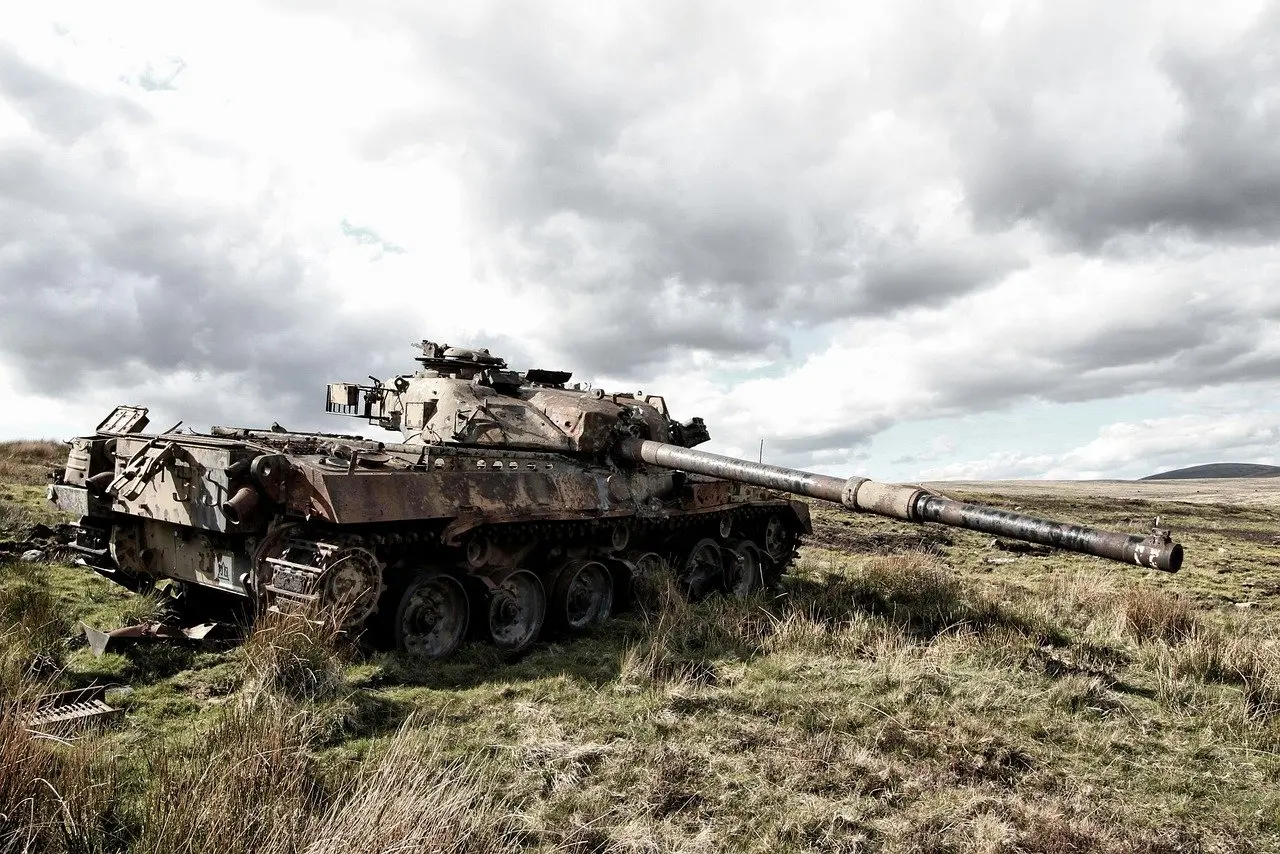
Rusting tanks, guns and other wartime remnants add physical detail to what the memorial walls describe. They suit visitors who prefer to see objects rather than read signs. Their limitation is access, because relics often sit on private or customary land and are not always signed or easy to find. Visit them as part of a guided tour, and ask about permission at each stop.
Travelling beyond Honiara
Leaving the capital changes the safety picture because support services thin out. Plan these days around people who know the ground.
Safety outside Honiara
Travel outside Honiara is possible but calls for more care than staying in town. The OSAC report says that outside the capital there is an extremely limited or no police presence. It adds that travelling with a group or guided tour is typically safer than travelling alone, particularly after dark.
In practice, that means booking transport and a guide for day trips, telling your accommodation where you are going, and finishing journeys before night. Independent wandering is the option to avoid, particularly on your first visit.
Landowner permission and access
Land access on Guadalcanal follows customary ownership, and some memorials and battle sites sit on private land. The OSAC report warns that landowners may demand money if you enter their land, including some World War II monuments, without permission. Asking first is both courteous and cheaper than being charged on arrival.
Ask your guide or accommodation to arrange permission and agree any fee beforehand. If a site cannot be cleared in advance, skip it and choose another rather than entering uninvited.
Rivers and waterfalls
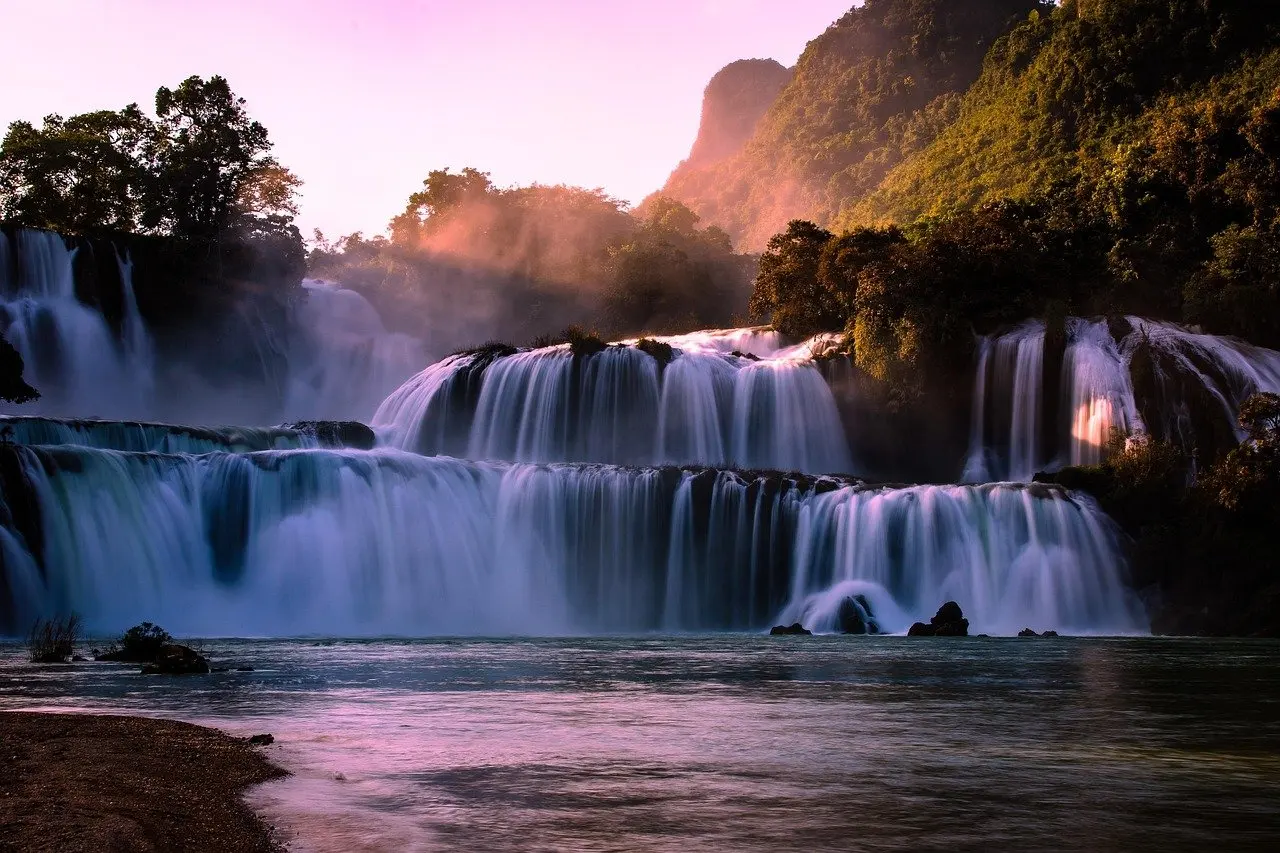
Interior river and waterfall visits suit travellers who want a break from war history. They fall under the same permission principle as battlefield land, and the lack of police presence outside Honiara makes a local guide the sensible default. Treat them as full-day plans with arranged transport, not casual stops.
A diver’s land day
Divers can use a land day to understand what they have seen, or will see, underwater. The memorial is the clearest bridge between the island and Iron Bottom Sound.
Reading the wrecks from the shore
The memorial walls each describe a battle and point to where it was fought. The overlook above Honiara lets you see the spots where the fighting took place. Together they place the campaign on a map, so the wrecks in Iron Bottom Sound read as part of a sequence of battles rather than isolated dive sites.
The best order for divers is the memorial first and the dive afterwards. Go on a day without diving, because the memorial rewards time spent reading the signs in the sun.
Planning onward travel
Guadalcanal is one island in a long chain. To compare it with the others, the solomon islands islands list shows how the provinces fit together. If you plan to continue westward, the guide to western province solomon islands travel picks up where this one leaves off.
Frequently asked questions
| Question | Answer |
|---|---|
| Does the Guadalcanal American Memorial have opening hours? | No. The monument is entirely outdoors and has no official visiting hours. Sunscreen or other sun protection is highly recommended if you plan to stay long enough to read the signs. |
| Who erected the Guadalcanal American Memorial, and for whom? | The United States erected it in tribute to its sons and its allies, with the dates Solomon Islands 1942-1943 on the inscription, according to the visitor guide to the memorial. |
| What is the emergency number in the Solomon Islands? | The crime emergency line is 999, according to the OSAC report. |
| Can US citizens rely on the embassy in Honiara? | Not for routine help. The US Embassy in Honiara does not currently provide routine or emergency services to US citizens, so arrange insurance and local contacts before travelling. |