| Route area | Start and coverage | Site mix | Planning use |
|---|---|---|---|
| Honiara and Iron Bottom Sound | Emperor Bilikiki starts and finishes in Honiara; Iron Bottom Sound lies close to the city | WWII wrecks including the Mavis seaplane, Hirokawa Maru and Kyushu Maru, plus reefs and walls | Suits divers who want wrecks first and reef as a second course |
| Florida Islands and Russell Islands | Devil’s Highway is in the Florida Islands; the Russell Islands sit about 40 km off the northern tip of Guadalcanal and feature on the MV Taka itinerary | Manta encounters in a current channel, plus Leru Cut, a slot 20 m deep and three divers wide | Suits divers who want current-fed reef, big animals and dramatic topography |
| Western Province and Marovo Lagoon | Uepi is a barrier island on Marovo Lagoon; Munda is about 70 km north-west of Uepi | Channel dives beside deep water, coral reef and large wrecks such as Toa Maru at 440 feet long | Suits divers who want lagoon scenery and are happy to travel further from Honiara |
Figures and sites above draw on Emperor Divers’ Solomon Islands guide and Dive Planit’s Uepi and Gizo overview.
Solomon Islands liveaboard itineraries fall into a Honiara-centred route for wrecks and reefs and a Western Province route around Marovo Lagoon. Pick by whether wrecks, big animals or lagoon scenery matters most.
The wider picture of vessels, regions and wreck sites sits in the guide to solomon islands liveaboard diving. This comparison narrows that down to the route decision, organised by what a diver wants from the trip.
If wrecks are the priority
A Honiara-based route suits wreck divers best. Emperor Divers describes day diving from Honiara as access to both the area’s celebrated World War II sites and its reefs, particularly in the waters of Iron Bottom Sound close to Honiara.
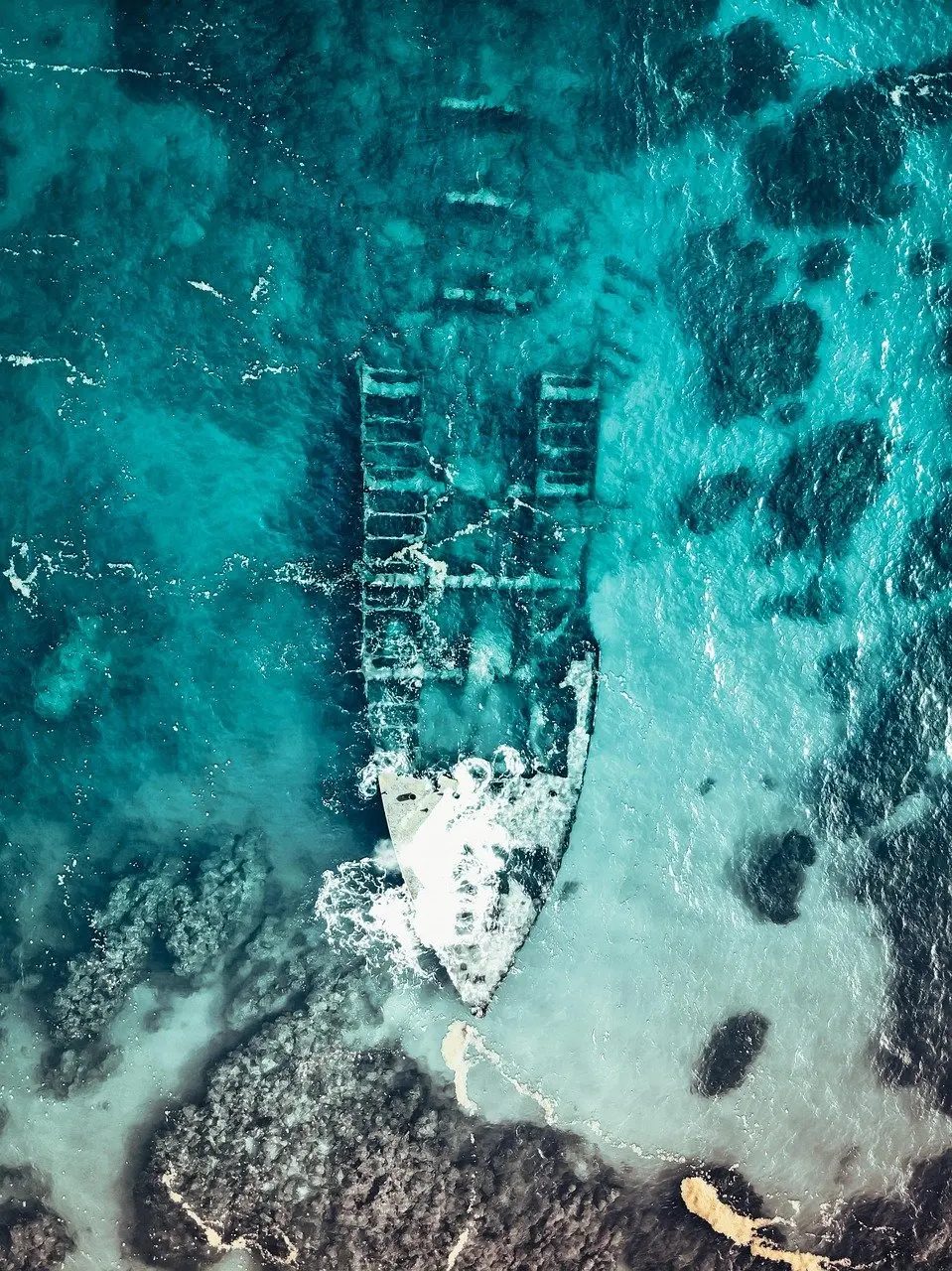
Named wrecks on that stretch include the Japanese Mavis seaplane, Hirokawa Maru and Kyushu Maru. More than 80 years beneath the surface has let marine life colonise many of the wartime remains, so these dives double as reef dives rather than bare steel.
Western Province also offers wreck diving. Dive Planit’s overview of Uepi and Gizo points to Toa Maru, the biggest transport wreck in the Solomon Islands at 440 feet long. A divers’ route that adds Western Province therefore trades the shorter run from Honiara for a larger single wreck.
- Honiara-start route: gives the widest choice of named wartime sites in one area, and the departure port is the main arrival point.
- Western Province add-on: brings a very large transport wreck, but it means a longer positioning through the islands.
If reef, walls and big animals matter most
Reef-focused divers should lean toward the Florida Islands and Russell Islands. The Emperor Divers guide lists coral gardens, walls, caves, seamounts, wrecks and muck-diving sites as the site types a liveaboard can reach, and a reef-led route concentrates on the first four.
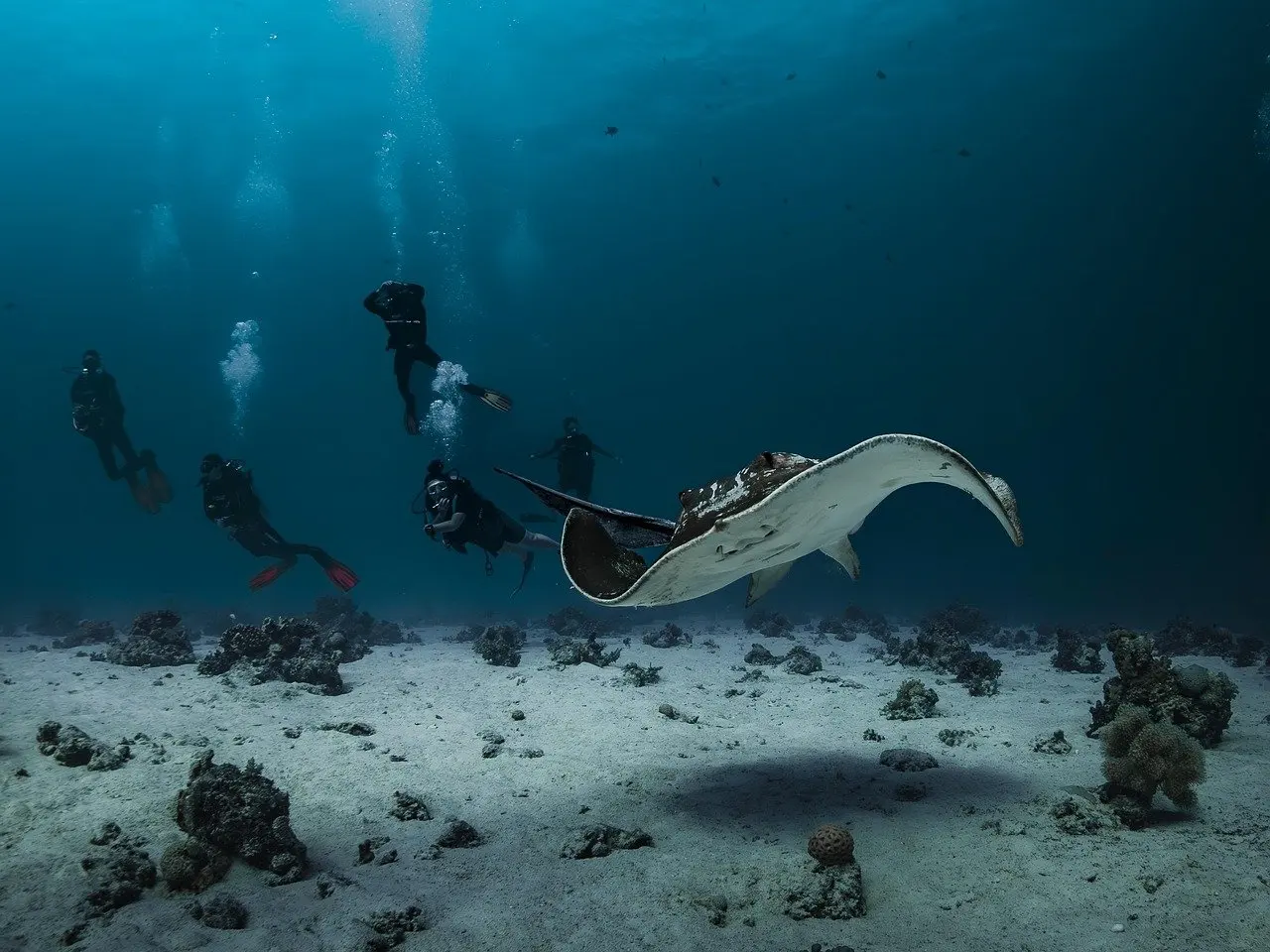
Devil’s Highway, in the Florida Islands, is particularly known for manta encounters. Currents funnel through a channel between islands there, creating conditions where mantas can gather to feed. Strong current is the trade-off, so this site suits divers who are comfortable with moving water.
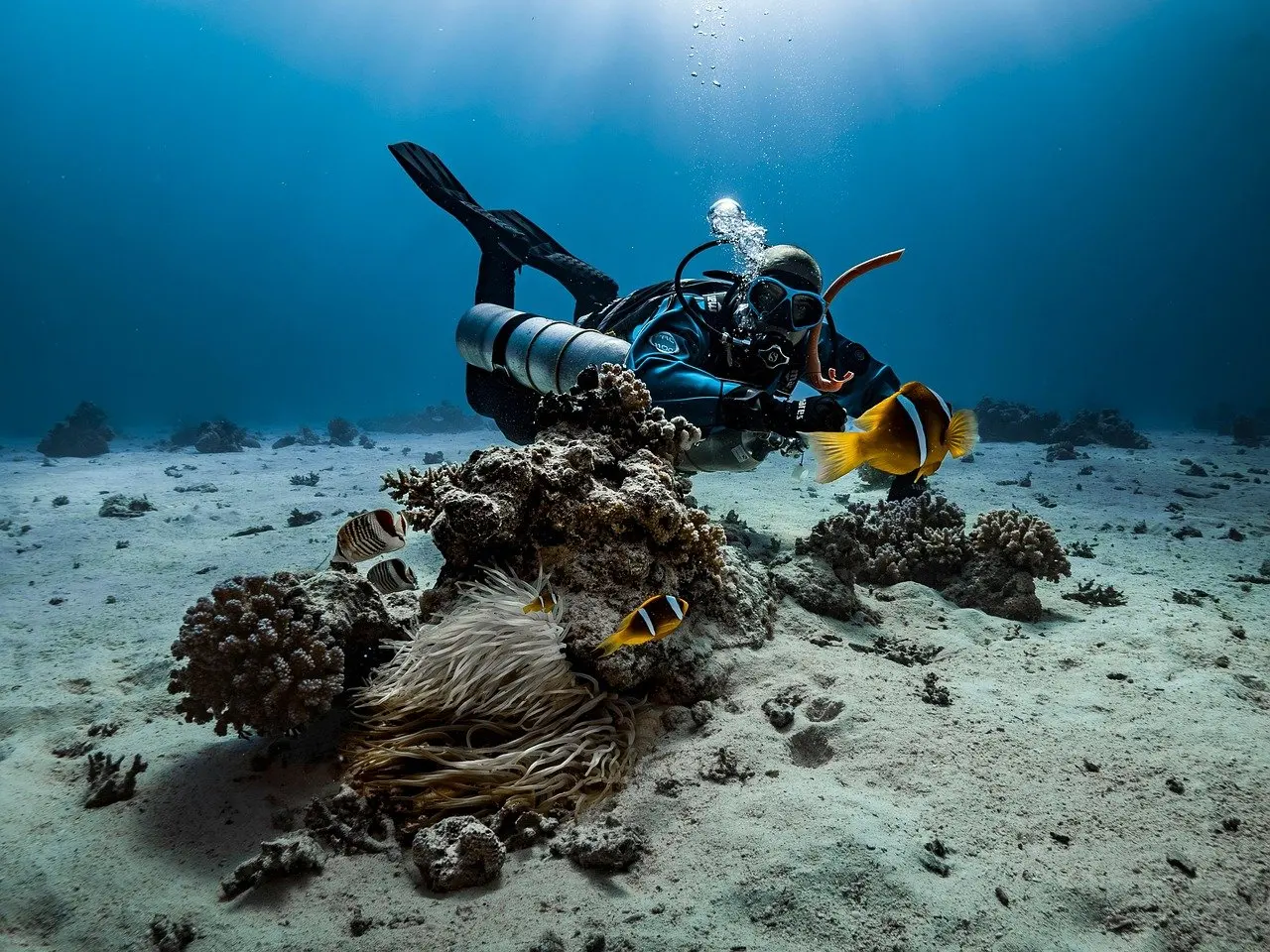
Russell Islands and Leru Cut
The Russell Islands are about 40 km off the northern tip of Guadalcanal and have no dive centre, according to Dive Planit. They are, however, on the itinerary of MV Taka, described there as the Solomons’ own luxury liveaboard. For divers who want this group, a liveaboard is the practical way in.
The headline site is Leru Cut, a slot 20 m deep and three divers wide that penetrates from the rocky coastline. The detail of that dive is covered in the guide to leru cut solomon islands, and it is the clearest reason to choose a route that reaches this group.
If lagoon scenery and a Western Province focus appeal
Choose the Western Province side when the setting matters as much as the dive. Dive Planit notes that most of the known accessible diving in the Solomon Islands is on Guadalcanal and the Western Province, so this region has depth of options beyond a single headline site.
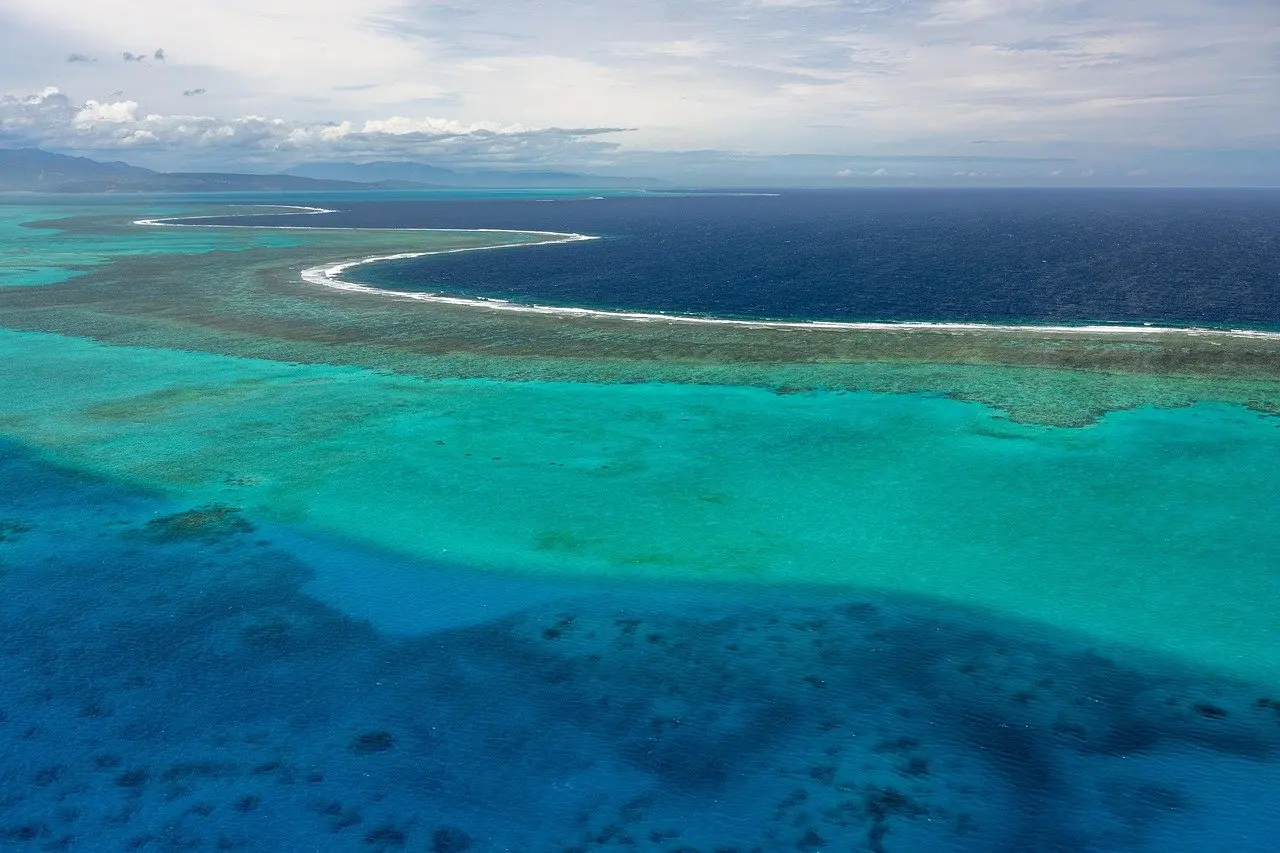
Uepi, a barrier island on Marovo Lagoon, lies adjacent to the deep blue water of New Georgia Sound. The flow of water through its channel drives nutrients into the water, which feeds the food chain at different tidal states. The practical lesson is that dive timing around the tide shapes what a Marovo-style dive offers.
Munda is only about 70 km further north-west of Uepi, so a route that covers both areas links the lagoon with the wreck-rich waters beyond it. The compromise is travel time: more of the trip is spent moving between areas than on a compact Honiara loop.
Macro diving as a counterpoint
Not every dive is about size. Emperor Divers presents Maravagi Bay as a great example of the very different side of Solomon Islands diving, with nudibranchs, pipefish, shrimps, frogfish and other macro life. Photographers who prefer small subjects should look for itineraries that include muck and macro stops rather than only walls and current dives.
If conditions should set the route
Flexibility is a feature, not a flaw. Emperor Divers states there is no fixed Bilikiki itinerary: routes and dive sites are chosen according to conditions. Divers should therefore treat any published route as a typical pattern and ask the operator how weather, current and sea state are likely to reshape it.
That approach also explains why a liveaboard reaches more than day diving does. A liveaboard such as Emperor Bilikiki allows divers to travel further through the Solomon Islands, so the same boat can favour wrecks near Honiara on one departure and reef sites farther out on another.
- Choose a flexible operator if you want the boat to chase the best conditions, and accept that site lists can change.
- Ask about current-heavy sites such as Devil’s Highway if you are not confident in channel currents.
- Keep expectations realistic for animals: all marine-life encounters are with wild animals and sightings cannot be guaranteed.
If budget decides between routes
Longer positioning through Western Province generally means a different trip structure from a compact Honiara loop, and that feeds into price. The breakdown of what a trip includes and how fares compare is in the guide to solomon islands liveaboard cost, which is the right next step once a region is chosen.
Choosing the right route
- First trip, wrecks and reef together: the Honiara-start route with Iron Bottom Sound wrecks and nearby reefs.
- Mantas, current and topography: the Florida Islands and Russell Islands, with Leru Cut as the anchor dive.
- Lagoon scenery and a very large wreck: Western Province, with Marovo Lagoon and Toa Maru, accepting more travel time.
- Macro photography: any itinerary that includes bays such as Maravagi, rather than one built only around walls.
Frequently asked questions
Where do liveaboards usually start and finish?
Emperor Bilikiki starts and finishes in Honiara, which makes the capital the usual base for central routes. Operators serving Western Province or the Russell Islands set their own departure points, so confirm the port when booking.
Can one trip combine wrecks and reefs?
Yes. Diving from Honiara gives access to both the celebrated World War II sites and the area’s reefs, and many wrecks are now colonised by marine life after more than 80 years underwater.
Are manta or other big-animal sightings guaranteed?
No. Devil’s Highway in the Florida Islands is known for manta encounters, but all marine-life encounters are with wild animals and sightings cannot be guaranteed.
How rich is the reef life across these routes?
Around 500 species of coral and more than 1,000 species of reef fish have been recorded in the Solomon Islands, so reef-led itineraries have plenty of variety whichever region they cover.