How to get to Solomon Islands comes down to one first decision: which Honiara flight connects with your departure point. Solomon Airlines flies between Australia, Fiji, Vanuatu and Honiara, and Henderson International Airport is the country’s only international airport.
The full route walkthrough sits in our guide on how to get to the solomon islands. Divers weighing ships against shore bases should also read the Solomon Islands Liveaboard and Wreck Diving hub before fixing dates.
Choosing your route into Honiara
Honiara is the capital of the Solomon Islands, and for international visitors it is the starting point of almost every trip. Wikivoyage’s Guadalcanal guide describes the airport as the only international airport in the country. Every international itinerary therefore has to be built around a single arrival point, which makes the first decision simpler than it looks.
The useful question is not which airport to choose, because there is no choice. It is which gateway city you can reach most easily, and how much slack to leave between the international flight and anything that follows.
- Departing from Australia, Fiji or Vanuatu. These are the places Solomon Airlines lists as connected to Honiara, so a through booking on the national carrier is the natural first thing to price.
- Departing from anywhere else. The practical task is to work out how your ticket reaches one of those gateway cities, then join the Honiara flight. Check the airline’s route page for the current network before you pay for anything non-refundable.
- Heading straight on to a province. The same airline also flies to destinations throughout the Solomon Islands, so a domestic leg can often be added after Honiara. Treat any onward connection as something to confirm directly with the airline and your accommodation.
The airport and the transfer
Henderson International Airport lies about 11 km east of Honiara, according to Wikivoyage. That distance is short on a map, but it is still a road transfer at the end of a long travel day. Arrange the pickup with your hotel or dive operator before you leave rather than negotiating on arrival.
Divers should also think about the return. Heavy equipment, a late-afternoon departure and a transfer all interact, and a buffer night in Honiara before the flight home is a sensible way to avoid a rushed final morning. Where the trip is a liveaboard, ask the operator whether the boat returns to Honiara and how it handles the airport run.
Paperwork before you book
Entry rules decide whether a booking is safe to make, so check them early. Our summary of solomon islands entry requirements explains what to confirm for your passport and nationality. Official government travel advisories for your own country are the best place to see current security and health notices, and they are worth rereading shortly before departure.
Where the Solomon Islands sit and which islands to prioritise
The Solomon Islands are an island nation in the Pacific, and travel there is organised around islands and provinces rather than a single road network. Kiwi.com’s country overview describes the climate as ocean-equatorial, which is a useful reminder that this is a warm, maritime destination where sea conditions and weather shape plans as much as distance does.
Not every island suits every trip. The sensible way to choose is by what you want from the days between dives or between flights: history on land, village contact, quiet lagoons, or simply an easy base near the airport. Our solomon islands islands list sets out the islands and provinces in more detail, and the sections below give the decision logic.
Choosing a base by trip style
- Short stay or first visit. Staying around Honiara keeps logistics light because the international airport and the capital are here. The guadalcanal travel guide covers what the surrounding island offers on land.
- Diving-led trip in the west. Western Province has its own airports, which makes it a realistic second leg rather than a long overland journey. The western province solomon islands travel guide goes into Gizo and the surrounding area.
- Quieter lagoon and island scenery. The central province solomon islands travel guide is the place to compare what lies close to Honiara.
- Longer, more remote travel. The malaita solomon islands travel and santa isabel solomon islands travel guides suit visitors with flexible schedules who want to go beyond the usual diving circuit.
If you have limited time, choose a single base and do it well. Moving between provinces adds flights, transfers and weather risk, and each extra hop is a chance for a tight schedule to break.
Domestic airports that matter for divers
Kiwi.com’s country page lists Nusatupe airport (GZO) and Munda airport (MUA) as the airports serving Western Province. That gives divers heading west two possible entry points, and the choice between them should follow where your accommodation or boat is based. Ask your host which airport they use, since a transfer to the wrong one costs time and money.
| Gateway | What it is | Planning use |
|---|---|---|
| Honiara (Henderson International Airport) | Capital city and the country’s only international airport, about 11 km east of the city | Plan the international leg to here and arrange a road transfer in advance |
| Nusatupe (GZO) | Airport serving Western Province | Domestic onward leg for a diving trip in the west |
| Munda (MUA) | Second airport serving Western Province | Alternative western entry point; match it to where you are staying |
Airport and capital details come from Wikivoyage’s Guadalcanal guide and Kiwi.com’s Solomon Islands country page.
The wartime history behind the wrecks
Divers come to the Solomon Islands partly because of the wrecks, and those wrecks are tied to the Second World War history of these islands. That history explains why the sites are where they are and why relics also turn up on land. Treat a trip here as part history, part diving, and plan a little time ashore rather than going straight from airport to boat.
The practical consequence is that the places with the best-known wrecks and relics are not interchangeable. Choosing a province early shapes which sites are within easy reach, so decide the diving goal before you settle the flights. The Solomon Islands Liveaboard and Wreck Diving hub is the better place to compare individual wreck sites and boat-based trips.
Visiting sites on land
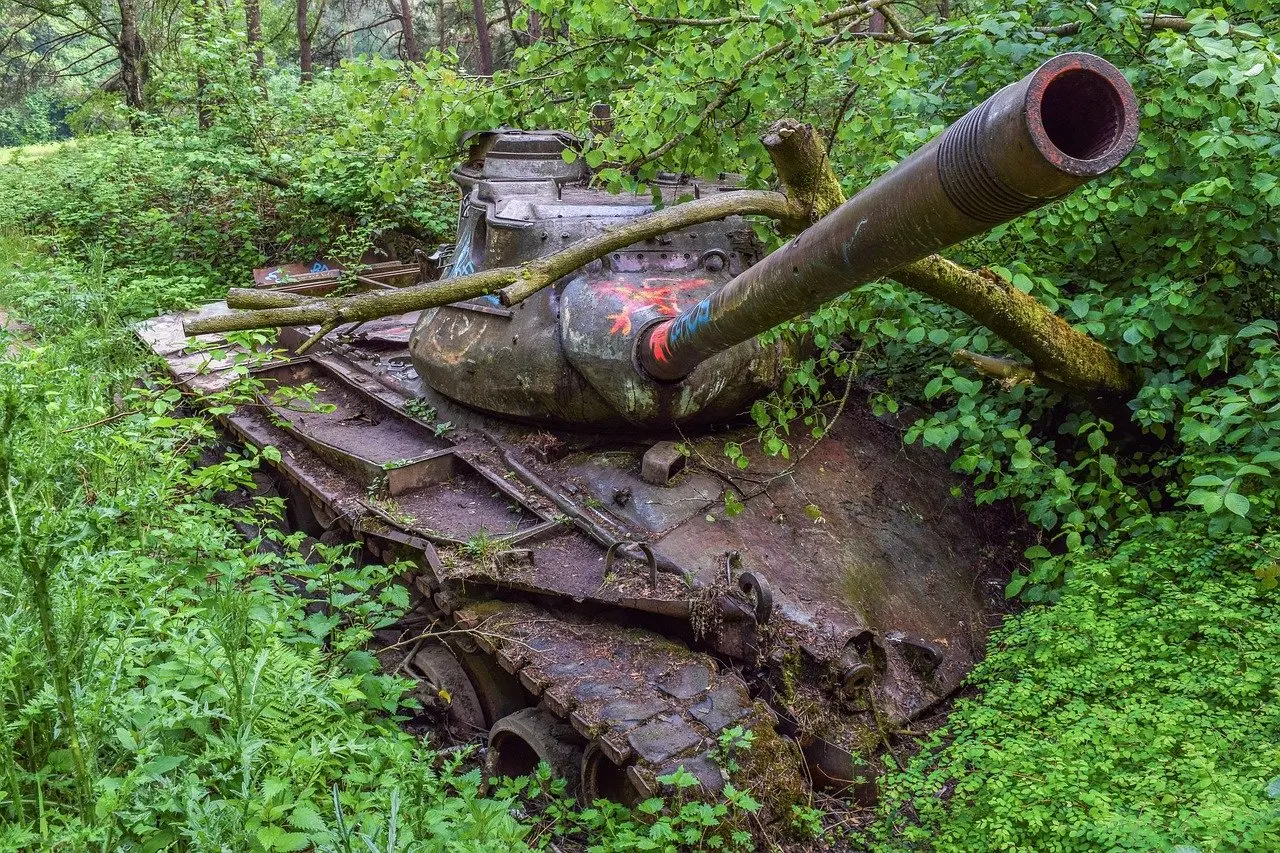
Relics left in forest weather and can sit on land that belongs to a community. Before walking to any site, ask your accommodation or guide whether permission or a fee applies. Our explanation of the solomon islands kastom fee describes how village visits and access arrangements work, so you can budget for them rather than being surprised on the day.
Money and everyday costs
The local currency is the Solomon Islands dollar, abbreviated SBD, as Kiwi.com’s country page states. Knowing the code matters because it is what you will see on exchange boards, bank screens and operator quotes.
A precise daily budget depends on how you travel, and published prices change, so do not rely on a figure copied from an old article. Instead, build the budget from the parts you can price now, and confirm each with the provider.
- International and domestic flights. These are usually the largest single items and the least flexible. Price the Honiara leg first, then any onward flight to a province.
- Accommodation and dive packages. Ask whether quoted prices include meals, airport transfers and any access fees. A package that looks dearer can be cheaper once those are counted.
- Local fees. Village visits and site access may carry charges set by the community, which is why they are treated separately in the kastom fee guide.
- Spending money. Ask your host which currency they quote in and how they prefer to be paid. Check the current exchange rate shortly before you leave rather than assuming it.
If your trip is a liveaboard, most of your costs are fixed in advance, so the budget question shifts to flights, insurance and the buffer night in Honiara. If it is land-based, the extra items are the local transfers and meals outside your package.
Where to stay and how to move around
Wikivoyage notes there are many hotels in Honiara, mainly catering to expatriates. For a visitor that means Honiara is the easiest place to find a conventional room, particularly for a night before or after flights. It does not follow that it is the best base for your whole trip, since the diving and village experiences lie elsewhere.
The decision is between convenience and immersion. Hotels in the capital suit short stays, arrival nights and travellers who want services close by. Smaller guesthouses, dive lodges and village-style stays suit travellers who have already settled on a province and want to be close to the water. Our overview of where to stay in solomon islands compares the types of accommodation in more depth.
Moving between islands
Every move between islands needs to be planned as a separate leg. Flights, boats and road transfers each have their own timing and weather exposure, and a delay on one can cascade into the next. The guide to getting around solomon islands sets out the options so you can choose a sequence that does not depend on a perfect connection.
As a rule, put the leg with the least slack earliest in the trip and leave the final days free. A fixed-date international departure is the one commitment that cannot move, so build the rest around it.
Timing your visit
Kiwi.com describes the climate as ocean-equatorial, and that is the right frame of mind for timing: expect a warm maritime climate, and expect weather and sea state to matter for boat days and small-aircraft flights. Rather than trusting a one-line answer, compare the months against what you want to do. Our guide to the best time to visit solomon islands sets out how to weigh seasons for diving and for travel in general.
If your dates are fixed by work or school, choose the province and activities that work with the season rather than the other way round. If your dates are flexible, settle the diving goal first, then pick the window that suits it, and only then book flights.
Local food
Kiwi.com’s country page lists dishes you can try in the Solomon Islands: taro root chips, tuna coconut curry, palusami, poi and papaya chicken. The list is a good indicator of the cooking style, which leans on root crops, coconut, fish and tropical fruit.
What to try first
- Tuna coconut curry. A good first order if you want a dish that combines fish with coconut, the combination at the centre of the cuisine.
- Taro root chips. A simple snack that shows how root crops are used, and an easy way to start.
- Palusami and poi. Worth asking about if you want something more traditional; ask your host how it is prepared.
- Papaya chicken. A reminder that tropical fruit appears in main dishes, not only as dessert.
Menus change by location and by what is available, so treat the list as a guide to ask about rather than a promise that each dish will be on offer. Mention any dietary needs when you book accommodation or a boat, because remote places have fewer alternatives than a hotel in the capital.
Eating well on a dive trip
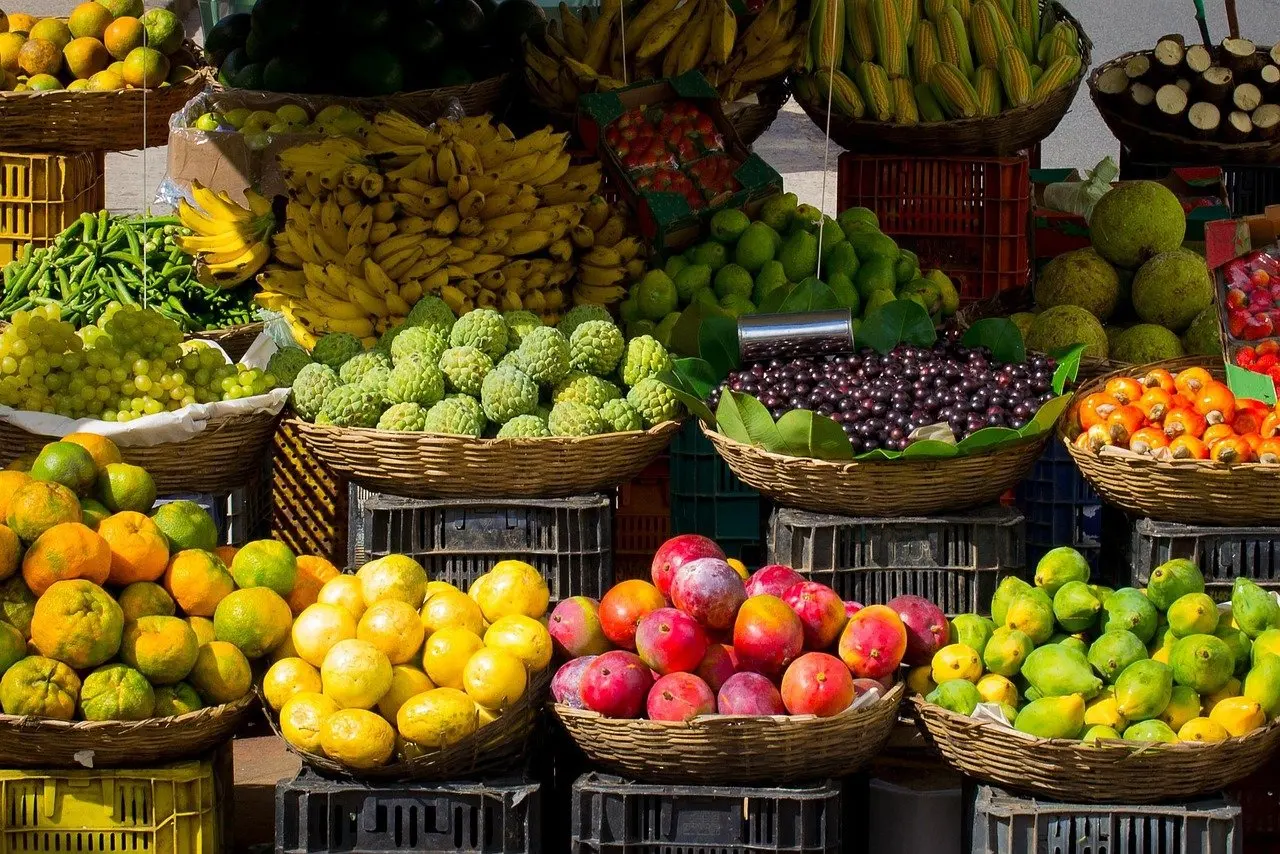
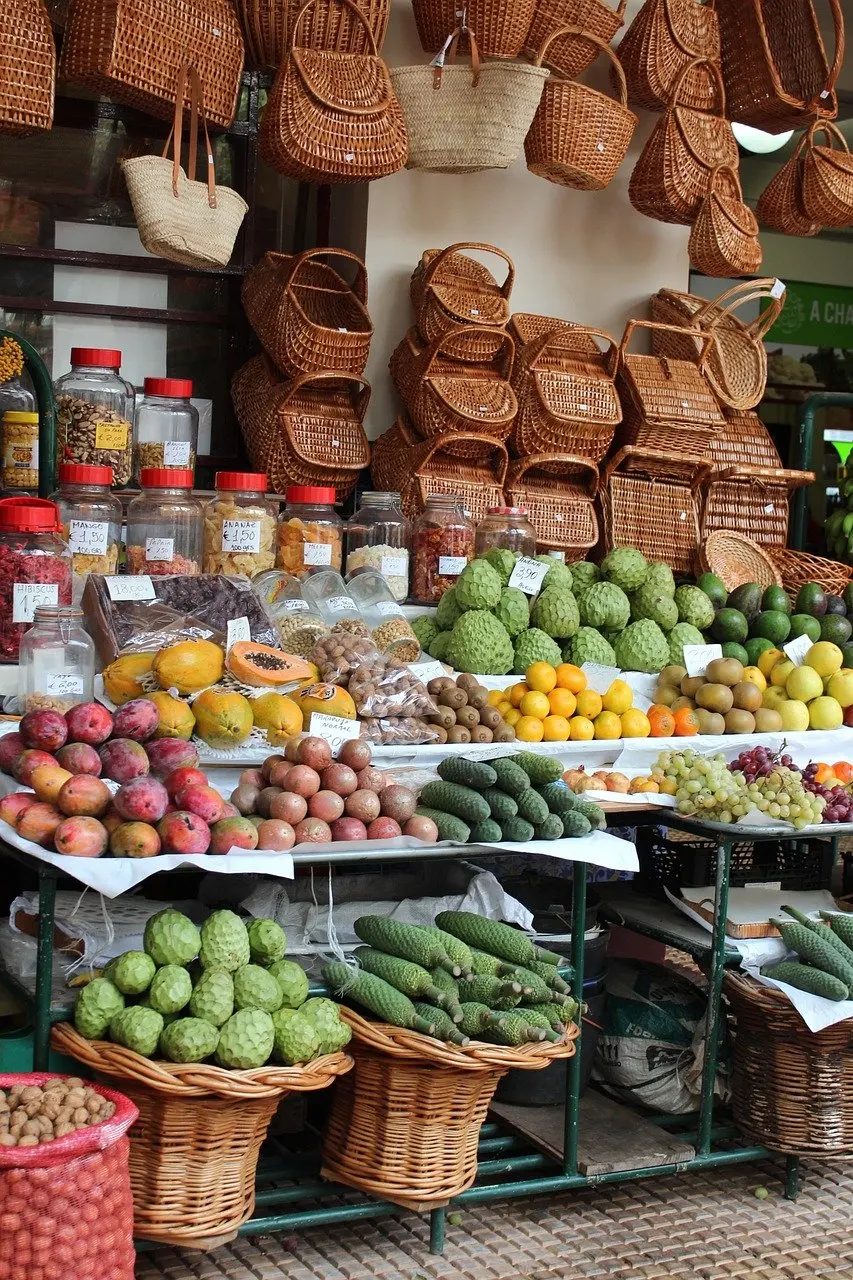
Divers burn energy and need regular meals, so ask early what is included in a package and what is not. Fresh fruit and vegetables sold at markets are an easy way to supplement meals when you have a kitchen or are staying where self-catering is possible. Ask your host before you buy, as arrangements vary from place to place.
A planning sequence that works
The decisions above depend on each other, so the order matters. Settle the biggest and least flexible choices first, then fit the rest around them.
- Decide the purpose. Choose between a liveaboard, a land-based diving trip, or a mix with time on land. This determines every later choice.
- Confirm entry rules. Check the requirements for your passport using the entry requirements guide before paying for anything.
- Choose your season. Match the timing to your goal using the best-time guide.
- Price the Honiara flight. Start with Solomon Airlines routes from Australia, Fiji or Vanuatu, then work out the connecting leg from your home airport.
- Pick a province and a base. Use the provincial guides to decide whether you stay near Honiara or add an onward flight.
- Book accommodation and transfers. Confirm the airport pickup and what is included in the price.
- Prepare your kit and money. Read the guide on what to pack for solomon islands, and confirm how your hosts expect to be paid in Solomon Islands dollars.
If you want a ready-made shape for the days themselves, the solomon islands itinerary guide gives example routes that combine these decisions. Our honiara travel guide is the place to plan the arrival and departure nights in the capital.
When to choose something different
Not every traveller should plan this way. If your schedule is short and fixed, avoid a multi-province plan and stay near Honiara, where the only international airport and the main concentration of hotels are located. If you are travelling mainly for diving and have flexible dates, put the dive goal first and let the flights follow. If you are travelling with non-divers, choose a base where land activities and village contact are practical, and check the access fees before committing.
Whatever you choose, build slack into the first and last days. The Solomon Islands reward visitors who leave room for weather, boat schedules and local arrangements, and they punish plans that assume everything runs to the minute.
Frequently asked questions
How do you get to the Solomon Islands?
Fly into Honiara. Solomon Airlines connects Honiara with Australia, Fiji and Vanuatu, and Henderson International Airport is the only international airport in the country. From Honiara, domestic flights serve other parts of the islands.
Where is the Solomon Islands and what islands are worth visiting?
The Solomon Islands are a Pacific island nation with Honiara as capital. Which islands suit you depends on your goal: Guadalcanal for an easy base near the airport, Western Province for diving, and Central Province, Malaita or Santa Isabel for a quieter or more remote trip.
What is the local food like in the Solomon Islands?
Typical dishes include taro root chips, tuna coconut curry, palusami, poi and papaya chicken, which reflect root crops, coconut, fish and tropical fruit. Availability varies by place, so ask your host what is on offer.
What currency is used in the Solomon Islands?
The Solomon Islands dollar, shown as SBD. Check the current exchange rate before you leave and ask hosts how they prefer to be paid.