| Reef fact | Value | Planning use |
|---|---|---|
| Coral species in the Coral Triangle | 500 species, which is 76% of the world’s coral species | Sets the diversity backdrop for Solomon Islands reefs |
| Reef fish in the Coral Triangle | 37% of the world’s reef fish species | Explains why coral dives here are also fish-rich |
| Solomon Islands status | One of six Coral Triangle Initiative countries, alongside Indonesia, Malaysia, Papua New Guinea, the Philippines and Timor-Leste | Confirms the islands sit inside the Coral Triangle framework |
| Reef structures worldwide | Habitat for 25% of world marine biodiversity | Shows why reef health matters beyond the dive site |
| Giant colony off the Three Sisters Islands | About one billion polyps, covering an area about two basketball courts, in 120 feet (about 36.6 m) of water | A deep target that needs experienced divers and operator advice |
These figures come from the Woods Hole Oceanographic Institution and the Coral Triangle Initiative.
Solomon Islands coral reefs lie inside the Coral Triangle, the global center of marine biodiversity, and hard corals build their framework. Depth matters for divers: one giant colony sits in 120 feet of water.
This guide covers reef structure, regional context, hard versus soft coral and the main threats. For the animals that live on and above the coral, see solomon islands marine life.
How the reef framework is built
Coral reefs are built by tiny marine animals called polyps, which secrete limestone to form large colonies, according to the Woods Hole Oceanographic Institution. Over time those colonies accumulate into reef structures. WHOI says such structures provide habitat for 25% of the world’s marine biodiversity.
A reef is therefore an animal-built structure, not simply rock. The hard surfaces a diver sees were laid down by polyps, and the living tissue over them is what gives a reef its colour and its role as habitat. That is why reef condition is judged by living cover and not by the shape of the seabed alone.
Coral Triangle context for Solomon Islands reefs
The Coral Triangle is, in WHOI’s words, a large geographic region in the central western Pacific Ocean. It hosts 500 species of coral, containing 76% of the world’s coral species and 37% of its reef fish species.
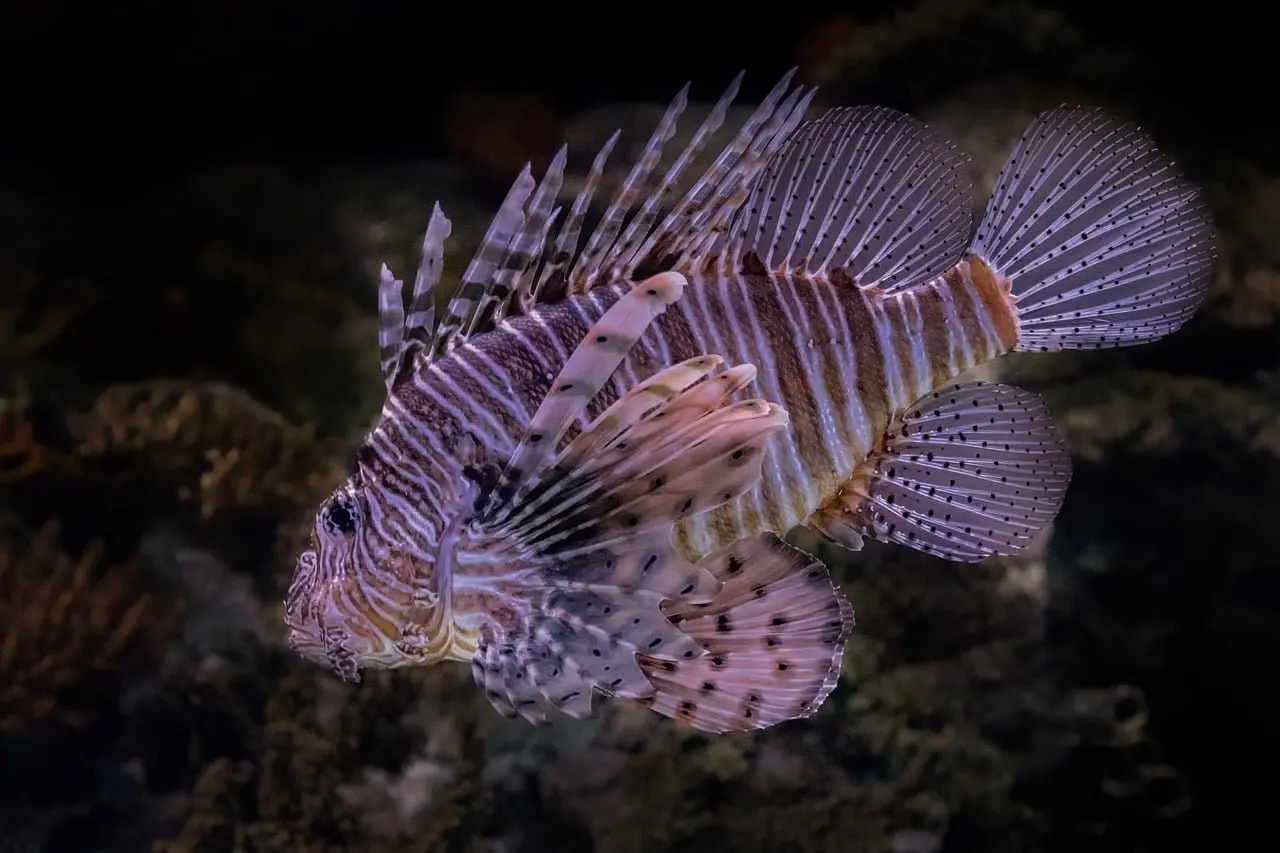
The Solomon Islands are part of it. The Coral Triangle Initiative lists the country as one of six members, known as the CT6, together with Indonesia, Malaysia, Papua New Guinea, the Philippines and Timor-Leste. WHOI also places the giant Solomon Islands coral colony inside the Coral Triangle.
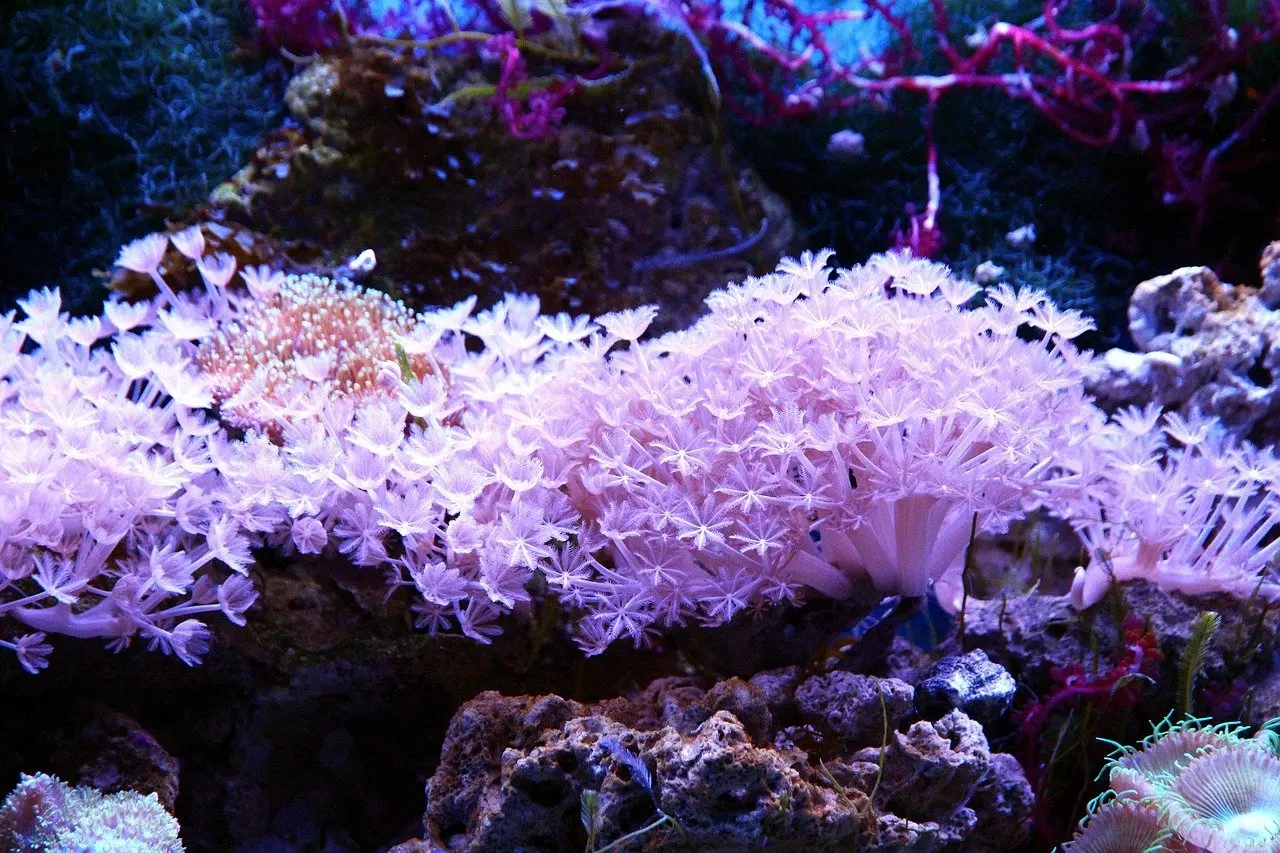
For anyone asking how diverse the reefs are, the supported answer is regional. The 500-species and 76% figures describe the whole Coral Triangle, so they are context for Solomon Islands reefs and not a species count for the islands alone. As a planning judgement, they justify expecting high coral and fish variety, while the detail of any one dive site depends on the site.
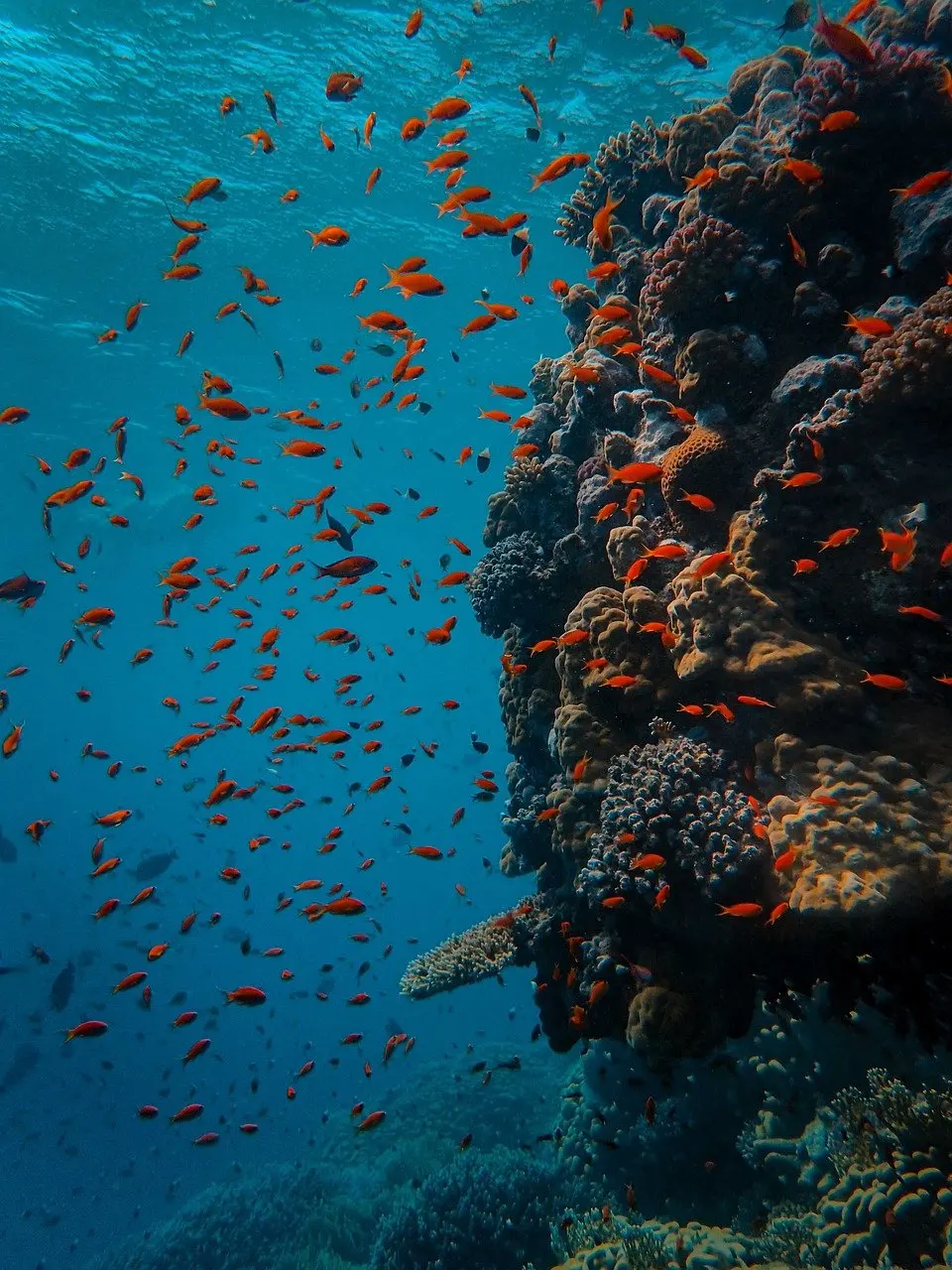
Hard coral and soft coral
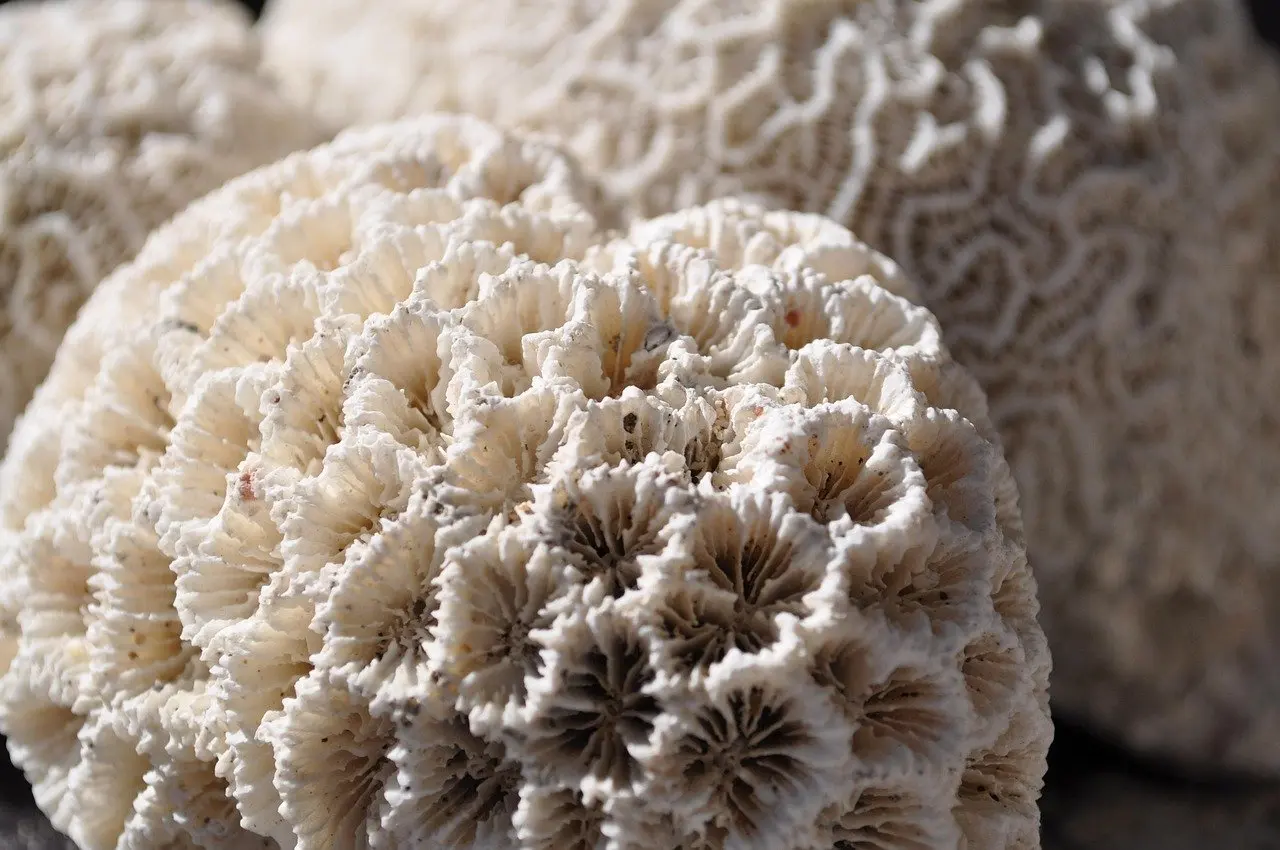
Hard coral is the group whose polyps secrete limestone to form large colonies, so hard corals supply the physical framework of a reef. The working distinction between hard and soft coral is whether a colony lays down that limestone. A colony that does not is not adding to the reef’s structure.
- Hard coral: builds reef structure from limestone secreted by polyps. Large colonies, including the giant colony off the Three Sisters Islands, are examples of this slow accumulation.
- Soft coral: shows the same polyp form but is not the structural builder. It is best read as a layer of life on a reef, not the reef’s foundation.
For a diver, the useful habit is to ask what a colony is made of before judging a reef. Limestone-built colonies indicate structure that took a long time to form. Reef that has lost its living cover is harder to recover than reef that has merely been disturbed.
Threats, including bleaching
Reefs in the Coral Triangle face both local and climate pressures. The Coral Triangle Initiative names reef dynamiting, cyanide poisoning for fish and pollution from land-based sources. It adds that natural events such as storm surges and climate change have adversely affected marine and coastal resources.
Bleaching is the most visible climate effect. WHOI reports that bleaching-level heat stress affected 84% of reefs in recent years, and that since 1950 half of the world’s coral reefs have been lost. Treat these as global-scale context for Solomon Islands reefs and not as local measurements.
- What bleaching looks like: WHOI describes vibrant reefs becoming dull, grey and silent graveyards when corals bleach. Lost colour is the sign to look for.
- Local pressures: dynamiting, cyanide fishing and land-based pollution are human-caused and separate from heat stress, so a reef can face several pressures at once.
- Natural events: storm surges are listed alongside climate change as events that have harmed marine resources.
The practical judgement is simple. Vivid, varied colour on a reef is the better sign, and dull grey cover is a reason to ask the operator about recent conditions before booking another dive there.
What divers can expect underwater
The best-documented reef feature in the Solomon Islands is a giant hard coral colony off the Three Sisters Islands. WHOI’s expedition reached it in 120 feet (about 36.6 m) of water. The colony, named Laloniasi by a local chief, is built from an estimated one billion polyps and covers an area about the size of two basketball courts.
That depth makes it a target for experienced, appropriately trained divers, not a casual shallow snorkel. Anyone interested in massive colonies should ask the operator which sites hold them and at what depth. Shallower reef structure can still be rewarding, and what divers see depends on the specific site.
Use this order when assessing a coral-focused dive:
- Ask about depth first. The giant colony shows that major hard coral can lie well below the shallows.
- Look at structure. Large limestone-built colonies mark long-established reef framework.
- Judge colour. Vivid cover points to healthy coral, while dull grey cover points to bleaching.
- Look up and out. Reef fish and larger animals gather around coral. See stingrays solomon islands diving and schooling fish solomon islands diving for what swims above the reef.
Frequently asked questions
Who coordinates conservation across the Coral Triangle?
The Coral Triangle Initiative on Coral Reefs, Fisheries and Food Security (CTI-CFF) was established formally at the Leaders’ Summit in 2009, with the Solomon Islands among its six member countries.
How old is the giant coral off the Three Sisters Islands?
WHOI reports that the massive colony is thought to be more than 300 years old, which shows how slowly large hard coral colonies accumulate.
Why do Coral Triangle reefs matter beyond diving?
The Coral Triangle Initiative says the region’s reefs support an estimated $3 billion worth of fisheries revenue per year. They also provide livelihoods to about 18 million small-scale fishers and their families, so reef health affects food and income as well as dive tourism.